
GuidesEvergreen research · not a news report
Is Beauty of Joseon Korean Skincare? Brand and Owner Explained
Editorial research review ·Written by Khalid Anwar, Clinical Pharmacist, UK (GPhC 2219283)· Published 28 Oct 2026
Compare the products in this article
Researched from catalogue and manufacturer information — not hands-on tested. Prices and stock change; check the retailer before buying.

Beauty of Joseon · Sunscreens
Relief Sun RiceMay suit: Daily lightweight facial sun protection
Less suited to: Very oily skin that wants a dry matte finish; anyone sensitive to one of the listed UV filters, niacinamide or fermented extracts; users seeking a water-resistant sports sunscreen.

Beauty of Joseon · Serums
Glow Serum Propolis + NiacinamideMay suit: Glow, oil-balance support and uneven-looking tone
Less suited to: Anyone allergic to bee products or propolis; highly reactive skin; people sensitive to salicylates, tea tree-derived ingredients or niacinamide.

Beauty of Joseon · Cleansers
Green Plum Refreshing CleanserMay suit: Gentle daily cleansing without a heavy finish
Less suited to: People allergic or sensitive to cocamidopropyl-derived surfactants, coconut-derived ingredients or multiple botanical extracts; users expecting it to remove heavy waterproof makeup by itself.
On this page · 14 sections
Short answer: Yes, Beauty of Joseon is a Korean skincare brand. It is named after Korea's Joseon dynasty, uses traditional Korean "hanbang" ingredients such as rice, ginseng and propolis, and is owned by the Korean beauty group Goodai Global. It is best known for its Relief Sun sunscreen and Glow Serum.
Is Beauty of Joseon Korean skincare? The traditional-looking packaging suggests so, and the answer is yes. But with so many brands borrowing a K-beauty look, it is worth knowing who is behind a product. This guide covers who owns Beauty of Joseon, what makes it Korean, its key products and how to avoid fakes in the UK. For the full range, see our Beauty of Joseon brand guide.
Key takeaways
-
Beauty of Joseon is one of the key brands of Goodai Global, a Korean beauty group founded in 2015[1].
-
Trade press reports that Goodai acquired the company behind Beauty of Joseon in 2019, its first acquisition[2].
-
The brand gained global recognition through its sunscreens, especially Relief Sun: Rice + Probiotics[1].
-
Products sold in the UK must meet UK cosmetics law, with a UK Responsible Person on the pack[3].
Who owns Beauty of Joseon?
Beauty of Joseon belongs to Goodai Global, a Seoul-based group that has grown by buying Korean indie brands[1]. Its portfolio also includes brands such as Tirtir and Skinfood[2]. In January 2026, The Korea Times reported that Goodai was preparing a stock market listing[1].
So Beauty of Joseon is Korean in ownership, origin and identity.
What makes Beauty of Joseon "Korean"?
The name refers to the Joseon dynasty, which ruled Korea from 1392 to 1897. The brand draws on hanbang, the tradition of Korean herbal medicine, and uses ingredients linked to it, such as:
-
Rice (in Relief Sun and its rice skincare)
-
Ginseng (in its ginseng range)
-
Propolis (in Glow Serum)
-
Green plum (in its cleansers)
These ingredients are popular in K-beauty. Their evidence varies, and many are used more for their hydrating and soothing feel than for proven clinical effects. Our rice skincare guide looks at rice in detail.
Beauty of Joseon's best-known products
| Product | What it is | Notes |
|---|---|---|
| Relief Sun: Rice + Probiotics | Lightweight chemical sunscreen, SPF50+ PA++++ | The product that made the brand famous[1] |
| Glow Serum: Propolis + Niacinamide | Hydrating serum | Niacinamide has good evidence for tone[4]; propolis is a bee product |
| Green Plum Refreshing Cleanser | Gel cleanser | A gentle second cleanse |
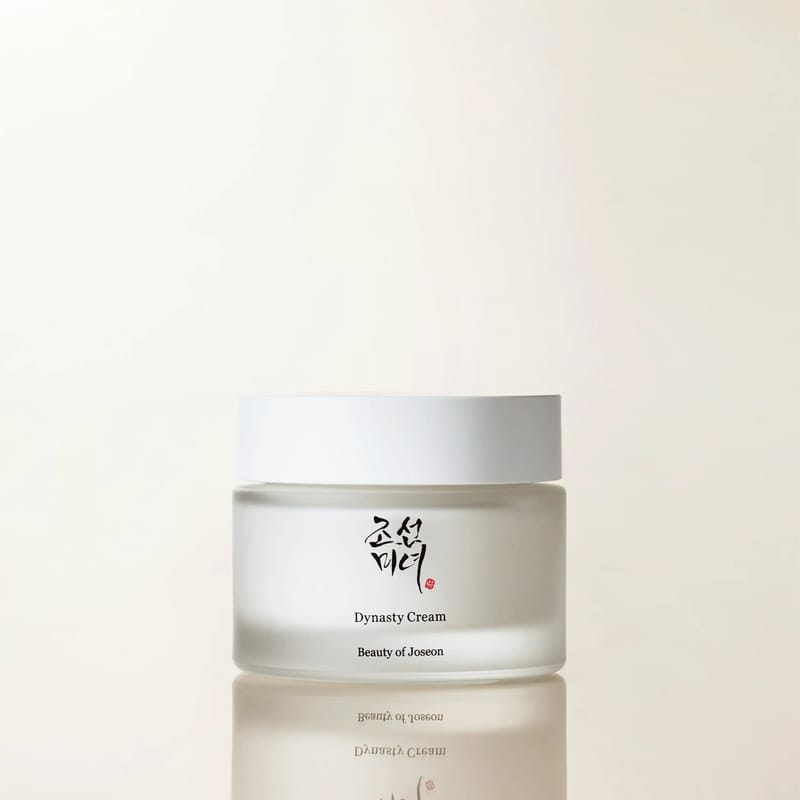
| Dynasty Cream | Rich moisturiser | Suits drier skin |
What the evidence says about Beauty of Joseon products
We found no independent clinical trials of Beauty of Joseon products published in peer-reviewed journals. That is typical for cosmetics. The evidence behind the key ingredients varies:
-
Sunscreen filters protect against UV damage; daily use is the single most useful anti-ageing step[5].
-
Niacinamide reduced hyperpigmentation compared with placebo in a controlled study[4].
-
Rice, ginseng and propolis have mostly early or laboratory evidence in skincare.
So the honest view is that Beauty of Joseon's appeal is pleasant, gentle formulas at fair prices, with a sunscreen people enjoy wearing.
Pharmacist's tip from Khalid Anwar: Relief Sun is a good example of why sunscreen texture matters. A sunscreen you are happy to apply generously every morning protects you far more than a "better" one that stays in the drawer. Apply about two finger-lengths for the face and neck.
Who should take care
-
Bee product allergy: Glow Serum contains propolis, which can cause allergic contact dermatitis in some people[6]. Patch test first.
-
Sensitive eyes: some chemical sunscreens can sting near the eyes. Apply carefully and choose a different formula if it stings.
-
Pregnancy: the core products above list no retinoids, but check each label and ask your midwife or pharmacist if unsure.
-
Fakes: Beauty of Joseon's popularity makes it a target for counterfeits, especially Relief Sun.
How to buy genuine Beauty of Joseon in the UK
-
Buy from the brand's official store or established UK retailers.
-
Be cautious with marketplace listings from unknown third-party sellers; see are Korean skincare products on Amazon legit.
-
Check the pack for a UK Responsible Person, batch code and full ingredient list[3].
-
Compare packaging and texture with what you have bought before.
-
Distrust prices far below the usual retail price[7].
-
Patch test new products before using them on your face.
What is hanbang?
Hanbang is traditional Korean herbal medicine. In skincare, brands use the word for formulas built around ingredients such as ginseng, rice, mugwort and honey or propolis. It is a cultural and marketing idea rather than a scientific category. Some hanbang ingredients have interesting early research, but evidence that they improve skin in finished cosmetics is limited. Enjoy them for their feel and heritage, and look to proven ingredients for specific concerns.
How to use Relief Sun properly
-
Apply it as the last step of your morning skincare.
-
Use about two finger-lengths for the face and neck.
-
Let it settle for a minute before make-up.
-
Reapply when outdoors for long periods, after swimming and after towel drying[5].
-
Pair it with shade and a hat in strong sun.
Is Beauty of Joseon worth buying?
For most people, yes, especially the sunscreen, which is pleasant enough to wear daily. The serums are good value, gentle options rather than strong treatments. If you need a targeted active, such as for dark spots, see our guide to the best Korean skincare for hyperpigmentation.
How to spot fake Beauty of Joseon
Relief Sun is one of the most copied Korean sunscreens because it sells so well. Check that the tube's printing is sharp, the cap fits neatly and the text matches the brand's official photos. Look for a batch code and a UK Responsible Person on the box[3]. A genuine product should spread easily and smell faintly of rice and sunscreen. If the texture, colour or smell differs from a tube you have used before, stop using it and contact the seller.
The bottom line
Beauty of Joseon is genuinely Korean skincare: a Seoul-based brand owned by Goodai Global, built around hanbang ingredients and best known for Relief Sun. Its products are gentle and good value, though most ingredient claims rely on limited evidence. Buy it from trusted sellers, check the UK label and use the sunscreen generously every day.
FAQs
Is Beauty of Joseon a Korean brand?
Yes. It is a Korean brand owned by Goodai Global[1].
Who owns Beauty of Joseon?
Goodai Global, a Korean beauty group that also owns brands such as Tirtir and Skinfood[1,2].
What does "Joseon" mean?
It is the name of the Korean dynasty that ruled from 1392 to 1897, which inspires the brand's identity.
Is Beauty of Joseon sunscreen good?
Relief Sun is popular for its light, invisible finish and SPF50+ PA++++ label. The NHS recommends at least SPF 30 with 4-star UVA protection[5].
Is Beauty of Joseon vegan?
Not every product. Glow Serum contains propolis, a bee product. Check each label.
Related reading
References
-
The Korea Times. Korean beauty firms race toward IPOs on global boom. January 2026.
-
BeautyMatter. Goodai Global acquires K-beauty brand Skinfood. December 2025.
-
GOV.UK. Making cosmetic products available to consumers in Great Britain. Accessed October 2026.
This article is for general information only and is not a substitute for personalised advice from a pharmacist, GP or other qualified healthcare professional. If you have a reaction or a medical concern, seek professional advice.
Get new PDRN research by email
One email a week with new guides and evidence updates. No spam; unsubscribe anytime.
Something not right? Request a correction. Read our editorial policy and review methodology.