This is our catalogue of published skincare products that list PDRN, usually shown as sodium DNA on the ingredient list. Each product links to a research-based assessment: what the formula contains, who it may suit and what the evidence does not show. Listing is not a recommendation, and none of these products has been hands-on tested by us.
Cosmetic information only. Ingredient effects are formulation-dependent and evidence is often limited. This is not medical advice.
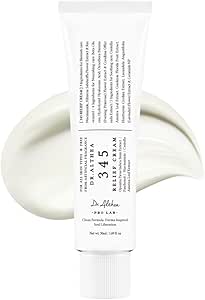
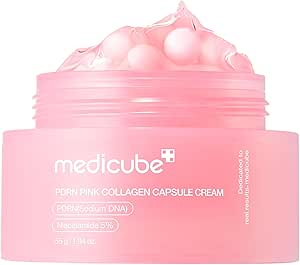
A lightweight gel cream combining niacinamide, panthenol, centella-derived ingredients, ceramide NP and sodium DNA. It offers comfortable daily moisture but is not a medical treatment for acne, eczema or post-acne scarring.
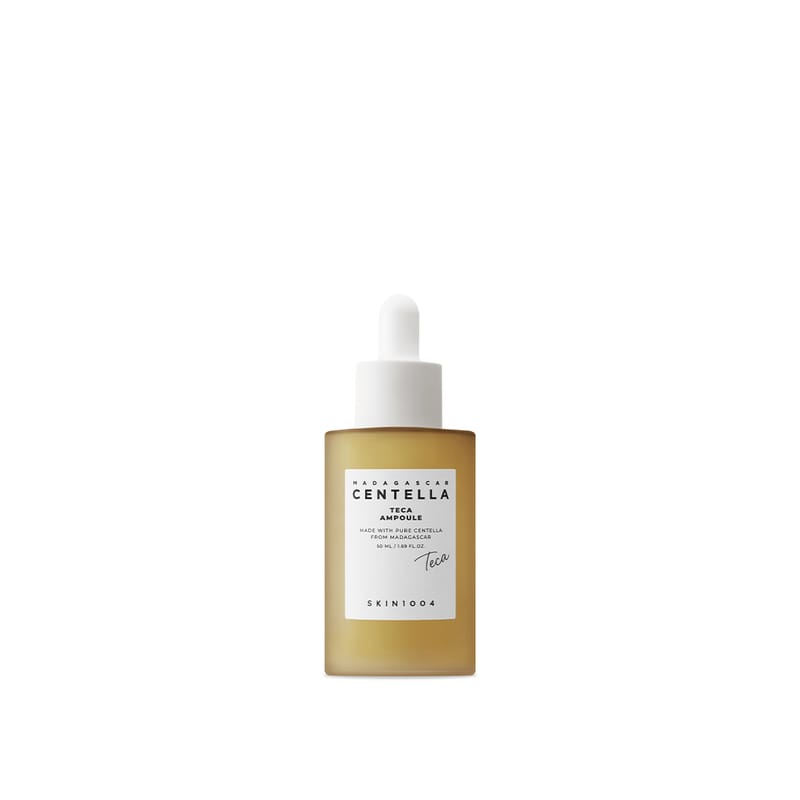
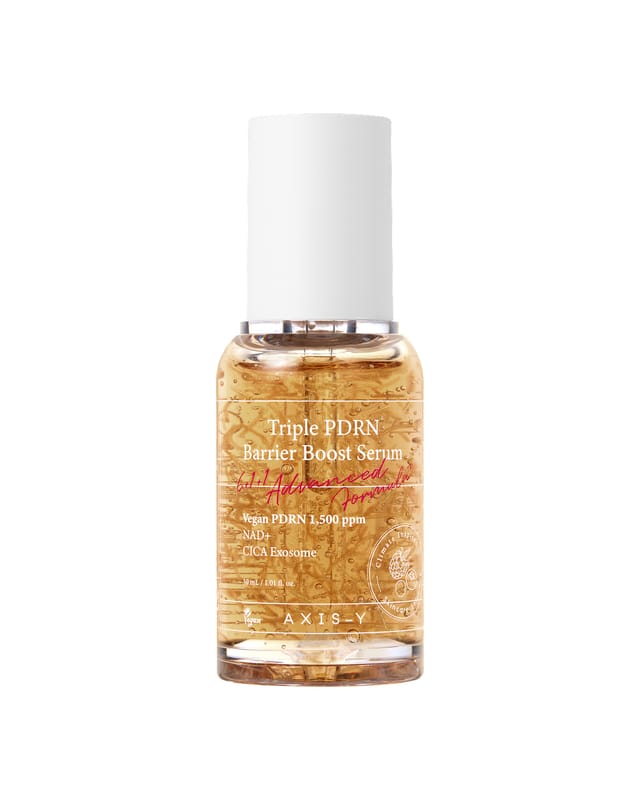
An optional ampoule step with a centella complex, polyglutamic acid and peptides alongside Sodium DNA. Compare the whole formula with any hydrating serum you already use. The brand listing supplies the ingredient evidence.
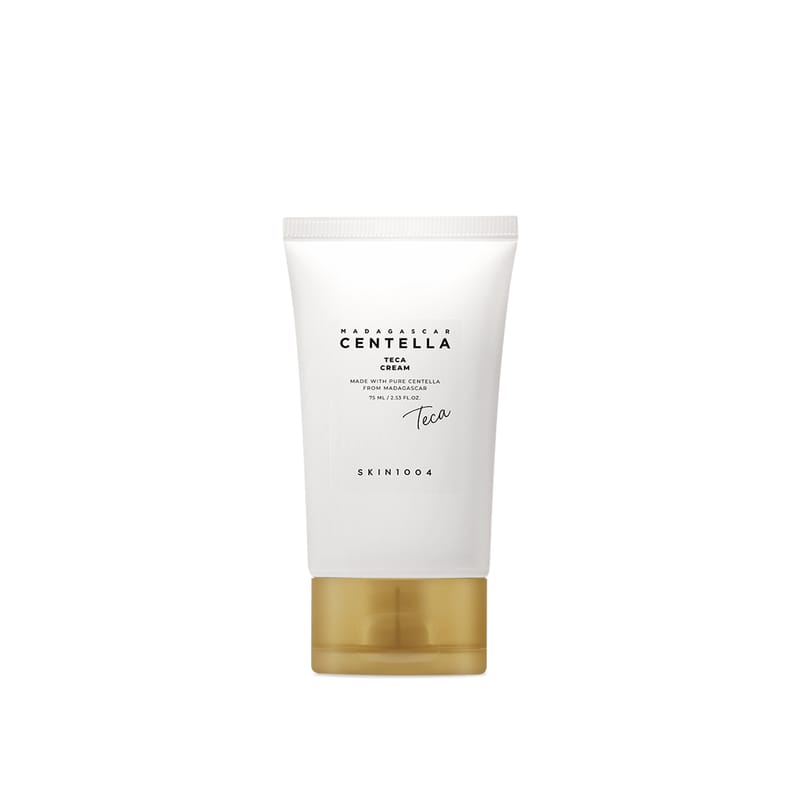
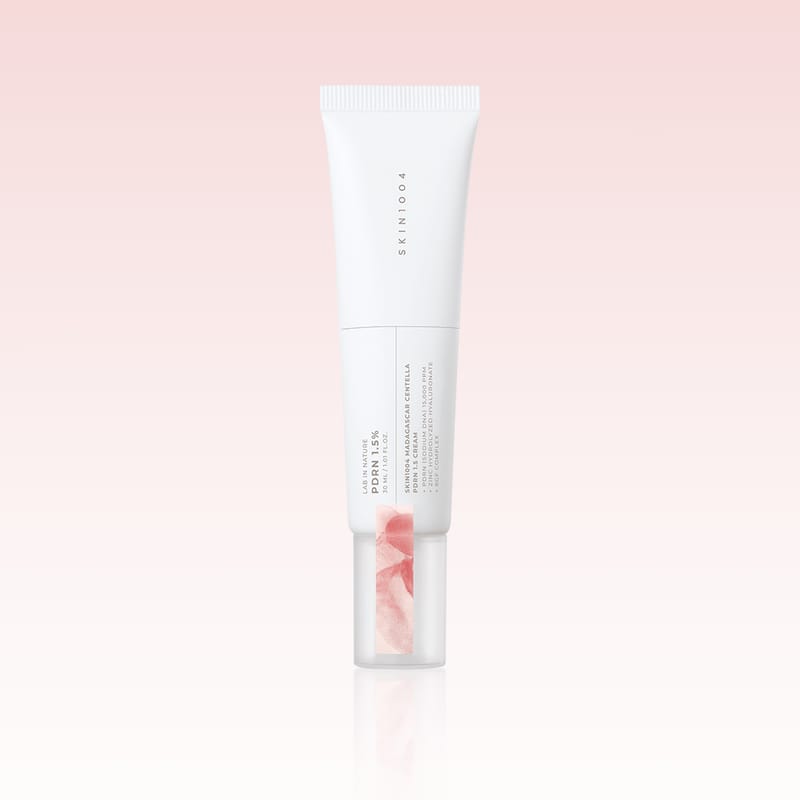
A 75 mL moisturising cream with centella extract, glycerin and niacinamide near the start of the maker’s list. SKIN1004 identifies the listed Sodium DNA as plant-derived PDRN. The formula also contains denatured alcohol and kojic acid.
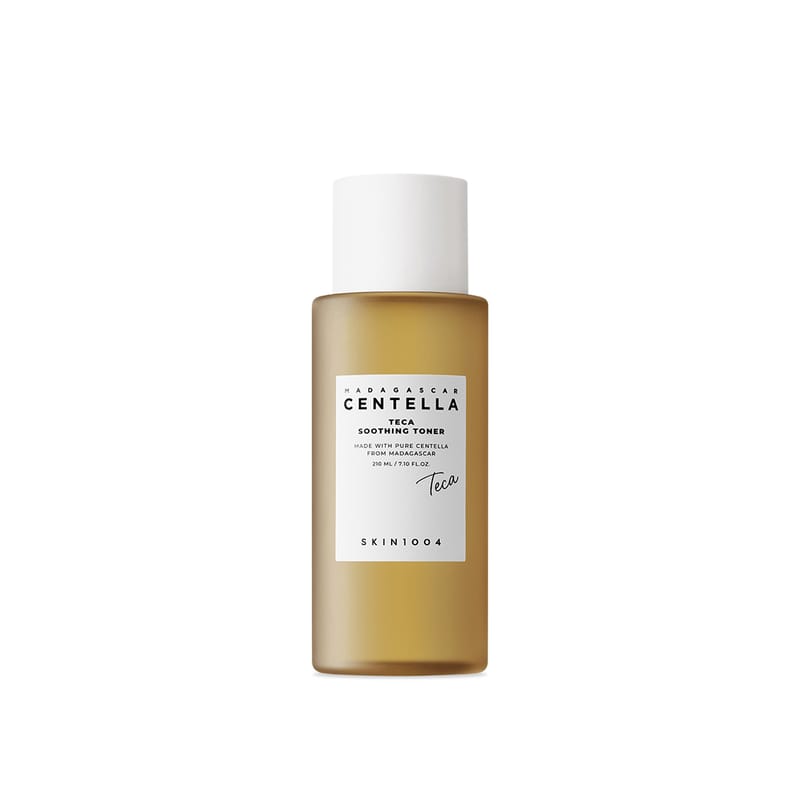
A 210 mL centella and glycerin toner. SKIN1004 identifies the Sodium DNA in the formula as plant-derived PDRN. The maker’s list also includes niacinamide, panthenol and a salicylic acid derivative.
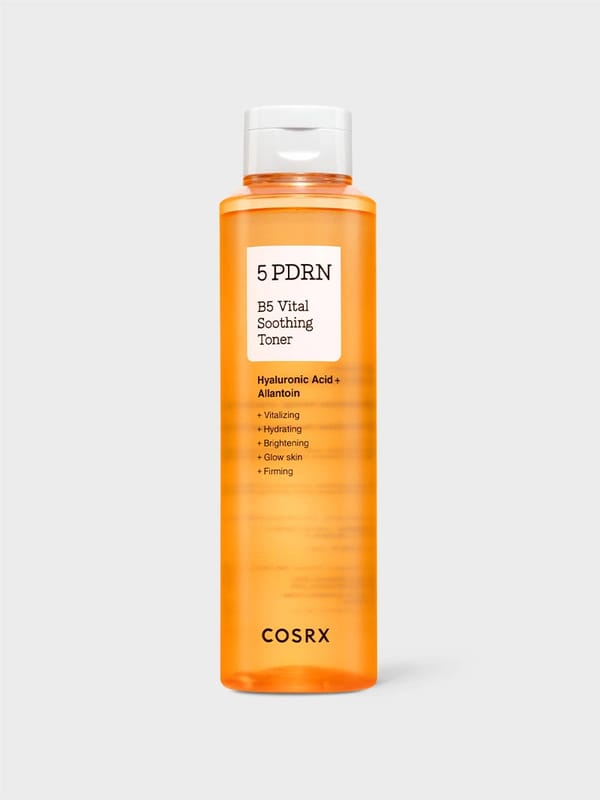
A 280 mL hydrating toner with niacinamide, panthenol and several forms of hyaluronic acid. The manufacturer lists Sodium DNA and Hydrolyzed DNA. This formula review does not establish how much they contribute to the finished toner’s effects.
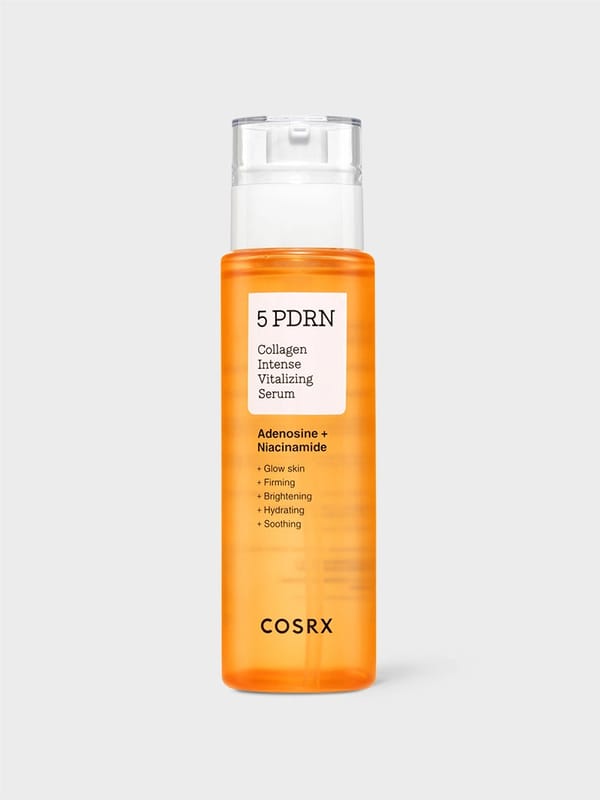
A 100 mL facial serum built around humectants, niacinamide and panthenol, with Sodium DNA and hydrolysed collagen on the maker’s ingredient list. It fits the serum step of a routine. The listed formula does not establish how the finished serum compares with other PDRN products.
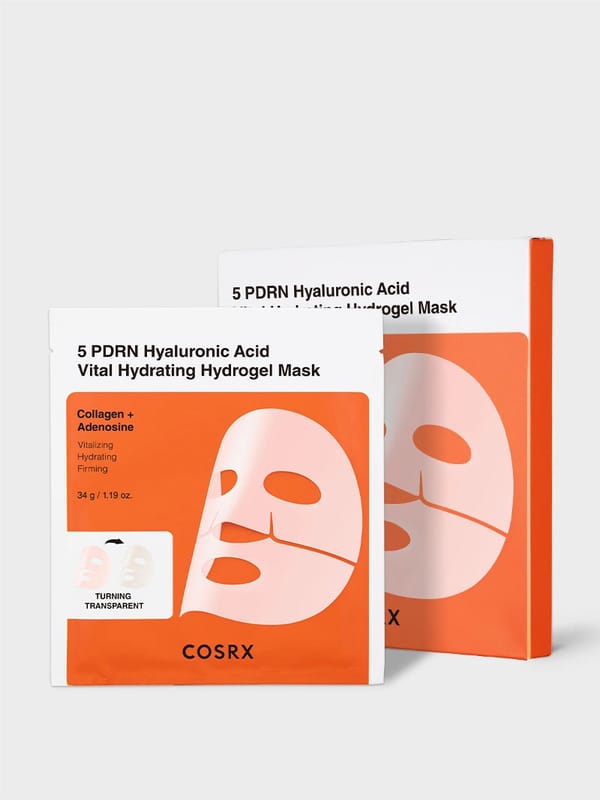
A 34 g hydrogel sheet with glycerin, niacinamide and gel-forming ingredients. COSRX lists Sodium DNA and Hydrolyzed DNA. The ingredient declaration confirms they are present and gives no finished-mask comparison with the matching serum or toner.
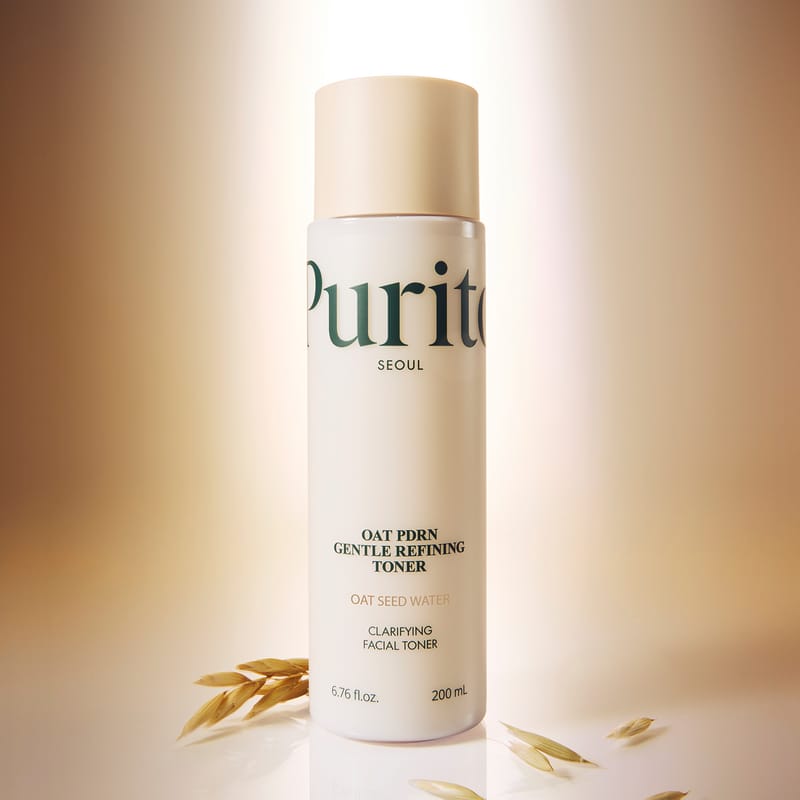
A 200 mL toner based on oat seed water, with meadowfoam oil, glycerin and panthenol on the maker’s list. Purito declares Sodium DNA at 5 ppm in the finished toner.
A 30 mL moisturiser with squalane, panthenol and ceramide NP alongside Sodium DNA. Compare it as a whole cream for the moisturiser step. The formula list alone does not show how much PDRN contributes to its performance.
A rich, milky essence using ginseng-derived plant PDRN alongside niacinamide, ceramides, panthenol and emollients. It provides a moisturising glow and may function more like an emulsion than a water-light essence.
A watery hydrating toner combining salmon-derived sodium DNA with humectants, panthenol and hyaluronic-acid/collagen components. It is intended to remove post-cleansing tightness and prepare the skin for later layers.
Dual-textured, essence-soaked toner pads designed for quick hydration and glow-focused skin preparation. They are primarily a hydrating convenience format rather than an exfoliating treatment.
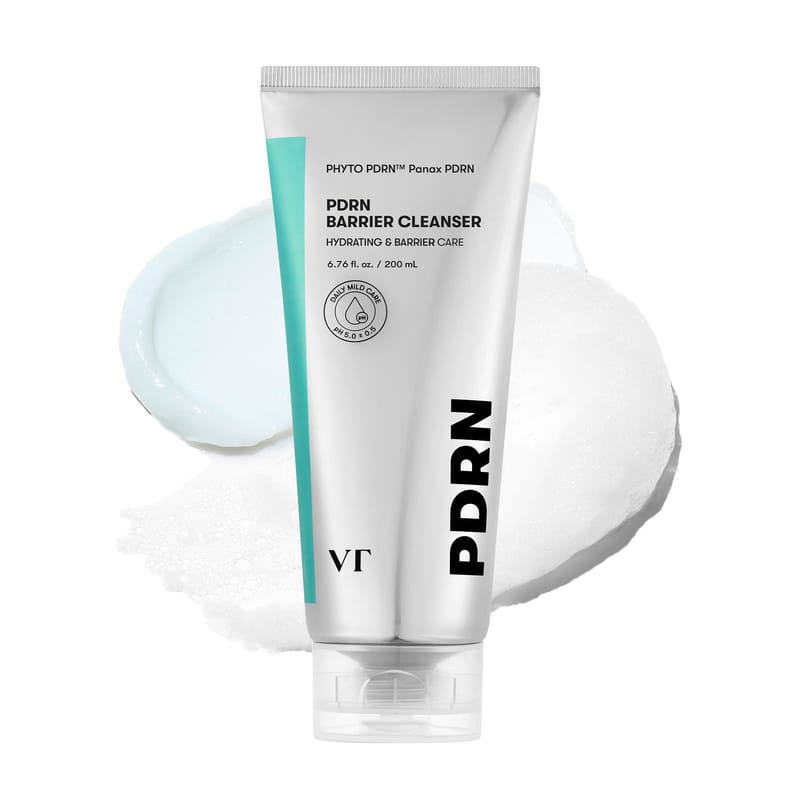
A rinse-off cleanser that VT describes as a creamy foam. The maker names plant-derived PDRN, ceramides and panthenol among the highlighted ingredients. The full formula and pack size for this listing are unconfirmed.
A milky plant-PDRN ampoule with a rich emollient base, centella-derived ingredients, ceramides, panthenol and peptides. It suits dry or dull-feeling skin seeking a moisturising glow, but may feel heavy on very oily skin.
A 100 mL facial serum mist with a silicone, glycol and panthenol base and Sodium DNA on the maker’s ingredient list. Its spray format is the main distinction from a dropper serum. The maker’s declaration supplies the formula evidence.
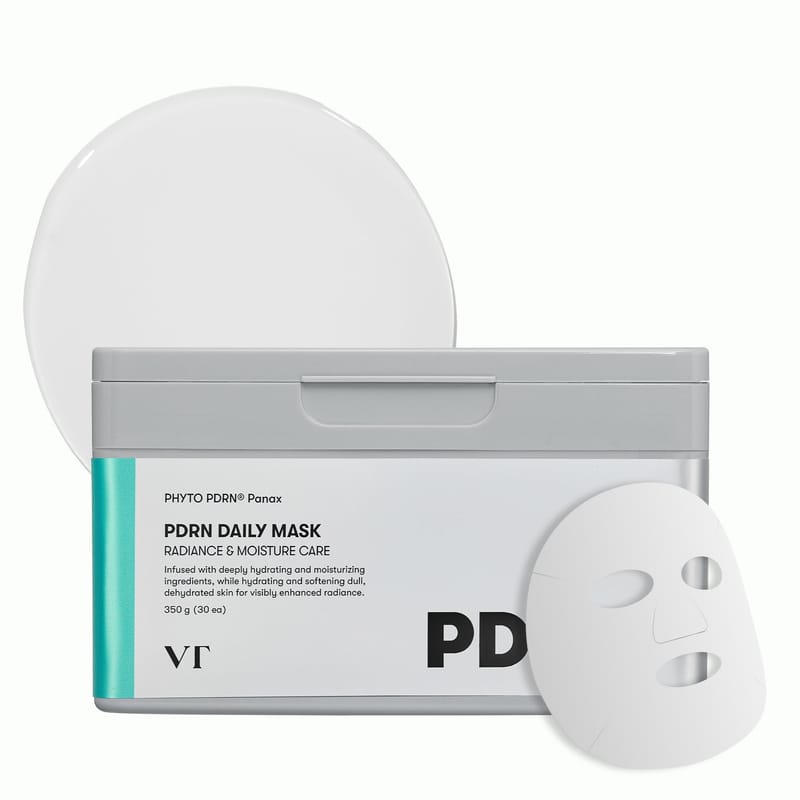
A fabric sheet mask in a 350 g tub. The maker's list starts with water and glycerin and includes panthenol, squalane, several ceramides and Sodium DNA. It fits an optional short masking step. The ingredient declaration cannot establish the effect of daily use.
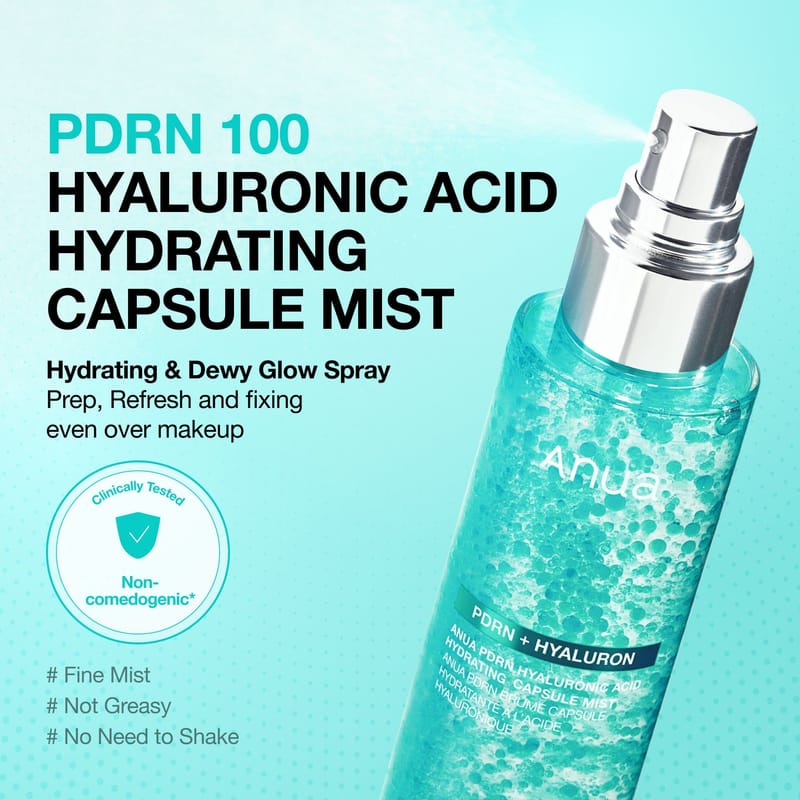
An ultra-fine, plant-PDRN ampoule mist combining a light oil phase with niacinamide, ceramides, panthenol and humectants. It is convenient for adding dew before or after makeup but does not replace sunscreen.
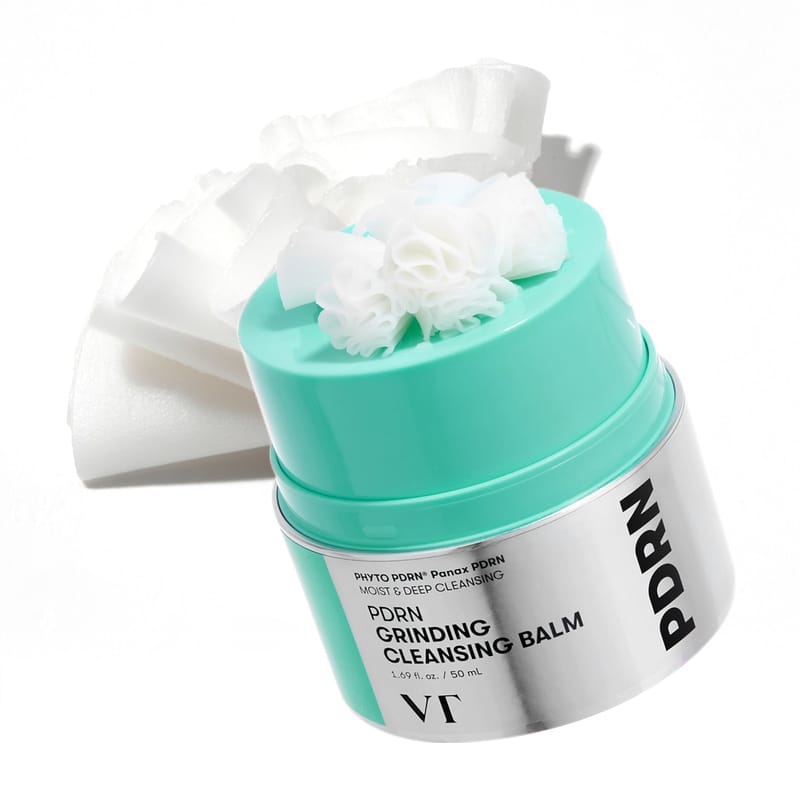
An oil-based first cleanse in a twist-dial pack. The formula lists gluconolactone, capryloyl salicylic acid and Sodium DNA. VT describes its PDRN as plant-derived. The manufacturer listing establishes the ingredients, and the balm is designed to rinse off. The formula gives no basis to predict a lasting effect from the PDRN.
A lightweight salmon-derived PDRN moisturiser with squalane, collagen, niacinamide and multiple forms of hyaluronic acid. It is designed to sit smoothly under makeup while leaving a natural glow.
A lightweight salmon-derived PDRN capsule serum with several forms of hyaluronic acid, niacinamide, collagen and glutathione. It is primarily a hydrating and glow-focused serum, not a proven substitute for prescription treatment or procedures.
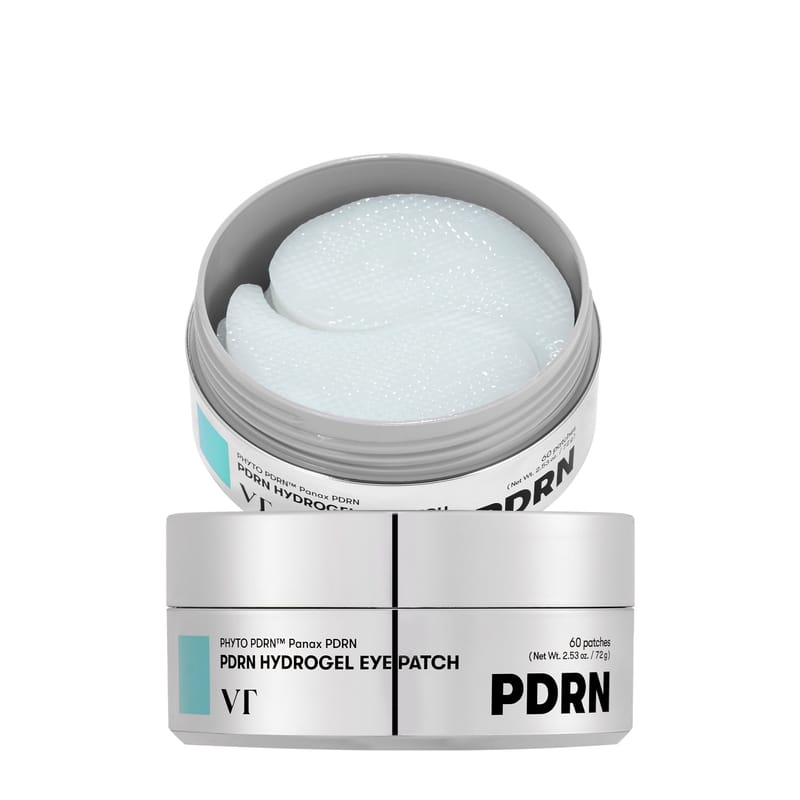
A hydrogel patch shaped for the under-eye area. VT includes PDRN in the product name. The exact ingredient declaration, PDRN source and pack size for this listing are unconfirmed.
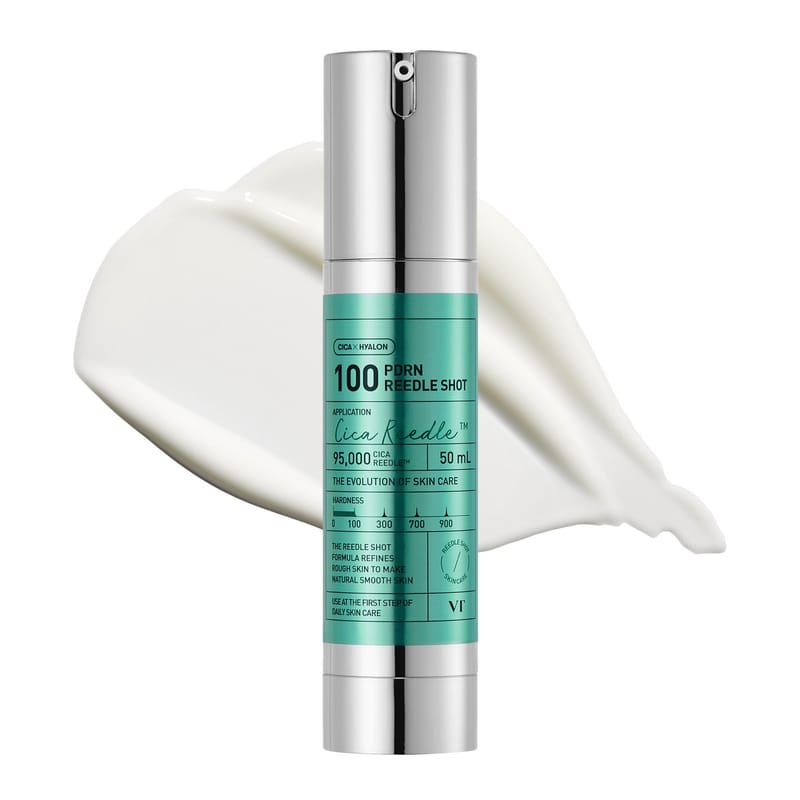
A 50 mL leave-on spicule booster with silica and a blend of hyaluronic acid forms. VT describes its PDRN as plant-derived from wild ginseng and lists Sodium DNA at 0.05 ppm. That declaration cannot establish how much the ingredient contributes to the finished formula's effects.
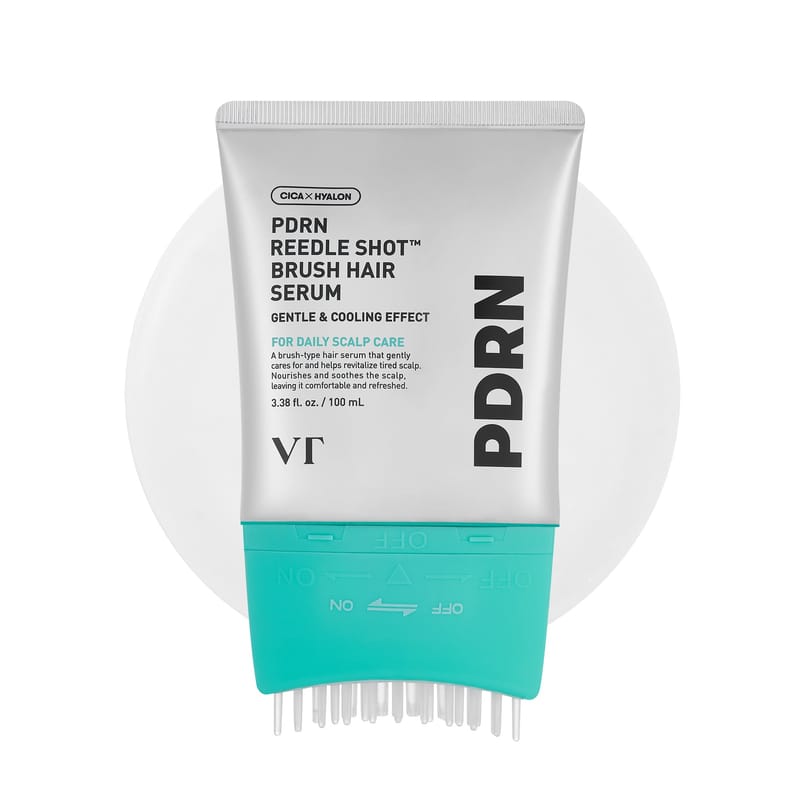
A scalp serum in a pack with a built-in brush for application. VT includes PDRN in the product name. The full formula, PDRN source and pack size for this listing are unconfirmed.
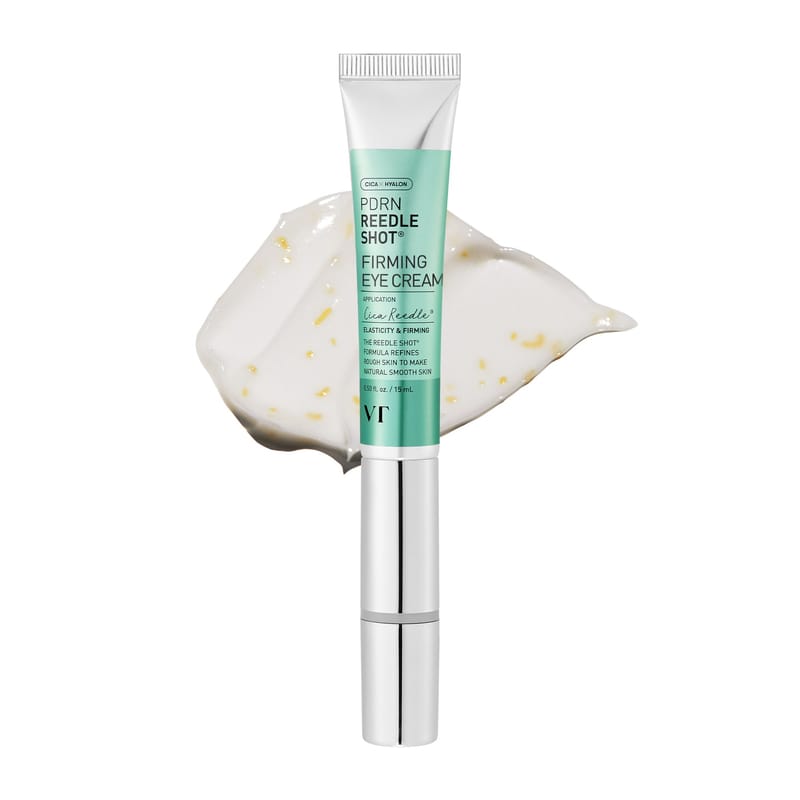
An eye cream listed by VT as PDRN Reedle Shot Firming Eye Cream. The global listing confirms the product name. Its full formula, PDRN source and pack size are unconfirmed.
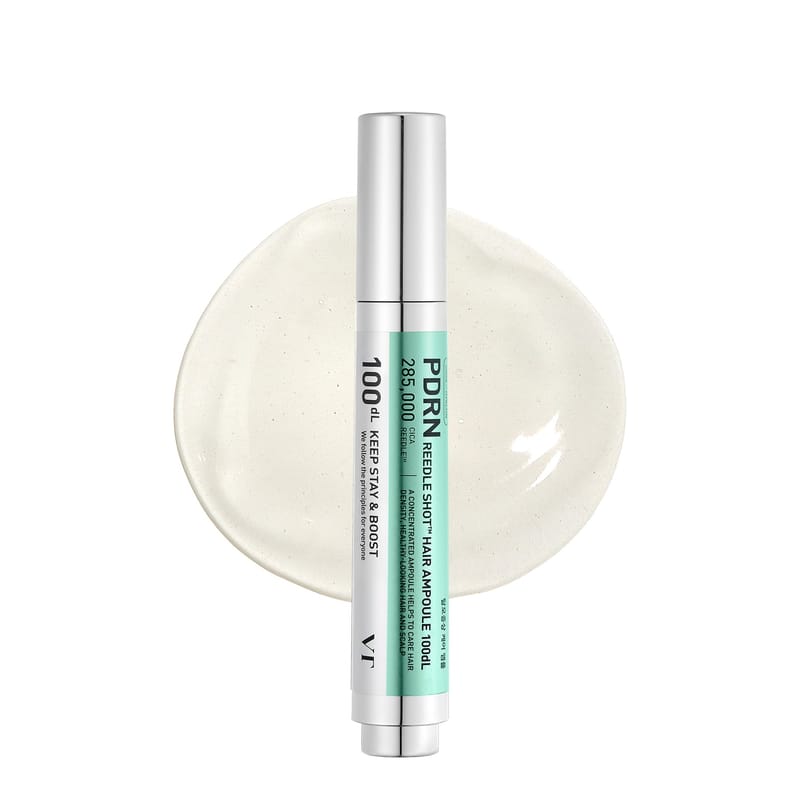
A 15 mL scalp ampoule with a tip applicator. Alcohol denat. is second on the maker's list, followed by ingredients including silica and caffeine. VT lists Sodium DNA and identifies its PDRN ingredient as PHYTO PDRN Panax.
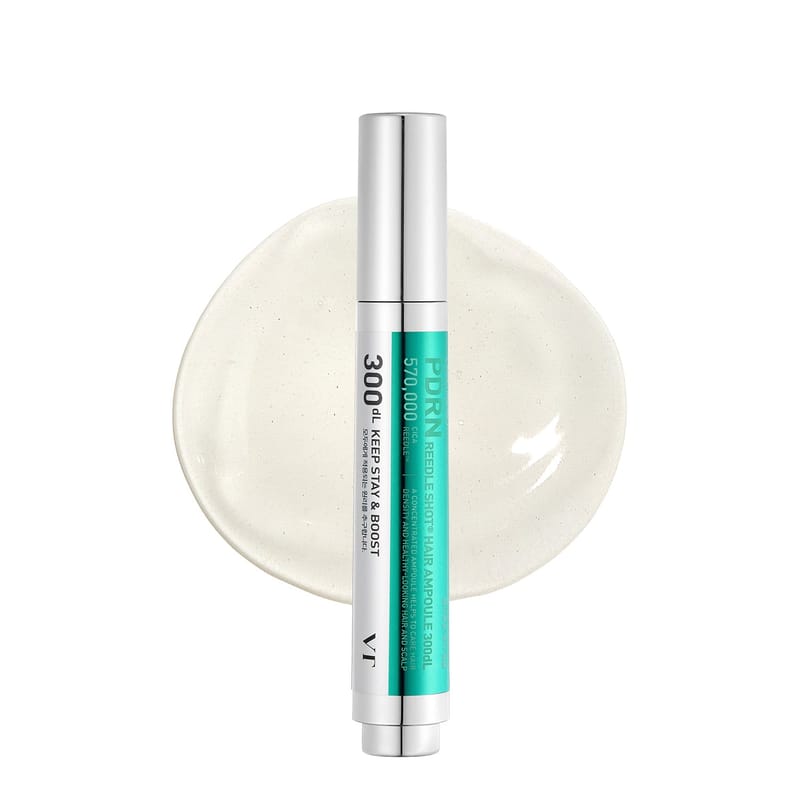
A 15 mL scalp ampoule with an alcohol-based formula. VT lists silica, caffeine and Sodium DNA, as well as panthenol and allantoin. The maker identifies its PDRN ingredient as PHYTO PDRN Panax.
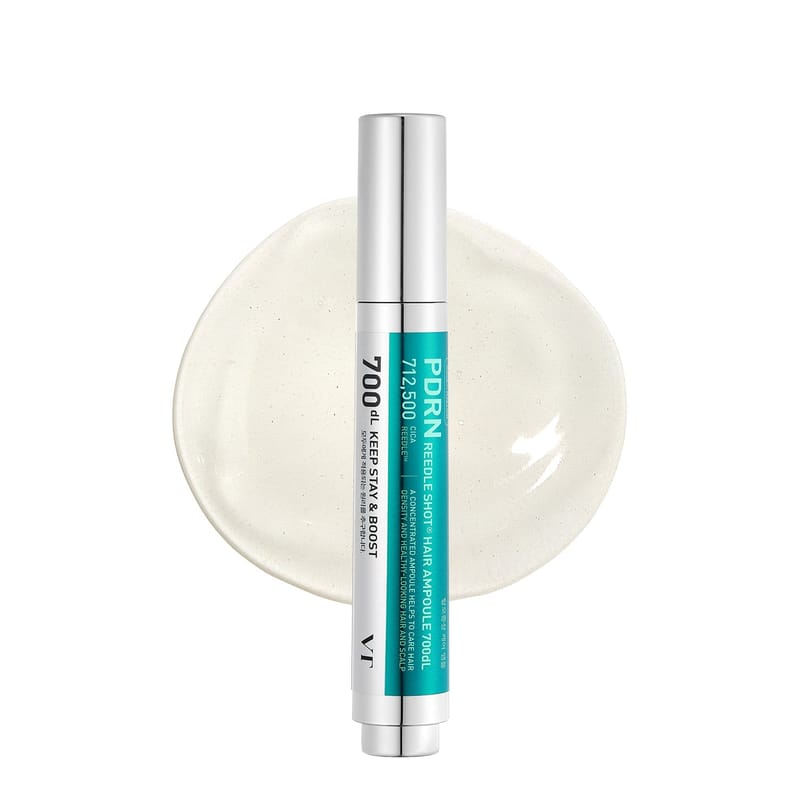
A 15 mL scalp ampoule with a tip applicator and a maker-listed formula that includes silica, caffeine and Sodium DNA. VT identifies its PDRN ingredient as PHYTO PDRN Panax. The 700dl label gives no measured dose on the source page.
A milky salmon-PDRN toner with niacinamide, emollient oils, panthenol, ceramides and peptides. It gives more moisturising slip than a watery toner and may suit dry or dehydrated-feeling skin best.
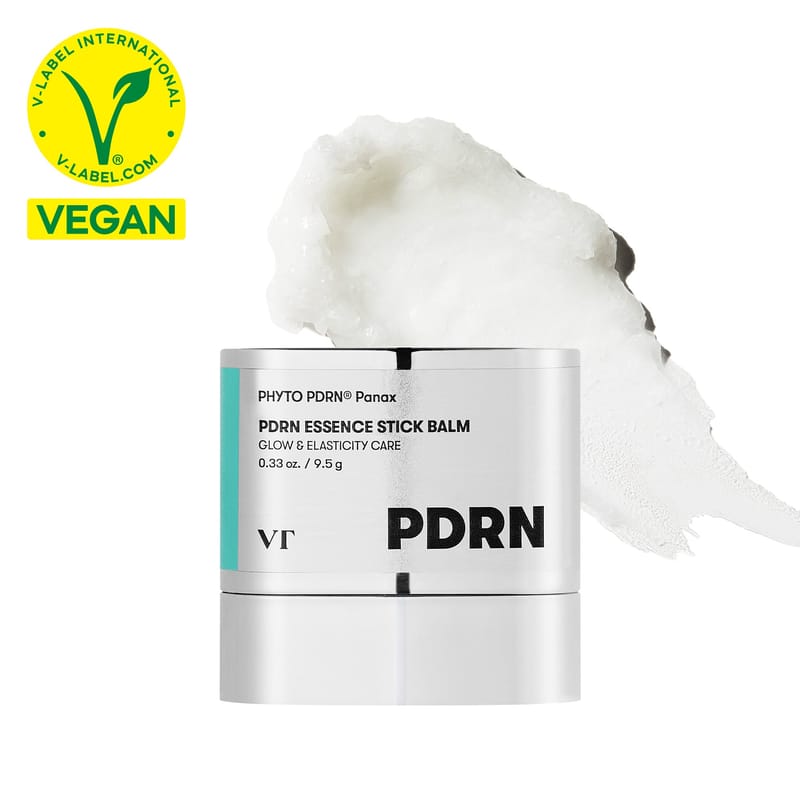
A solid moisturising balm for applying to selected areas. Oils, shea butter and waxes form the base. VT attributes its PDRN to ginseng, and the formula lists Sodium DNA alongside collagen extract. The maker does not identify the source of the collagen extract.
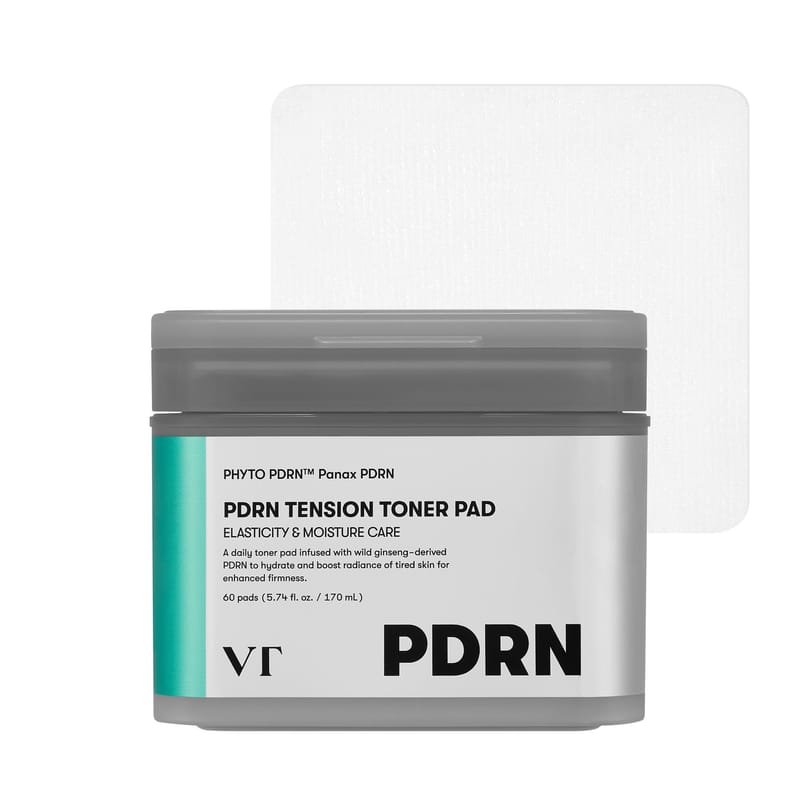
A leave-on toner pad whose listed formula combines water-binding ingredients such as glycerin and panthenol with squalane, shea butter and ceramide NP. VT describes the PDRN as plant-derived and lists Sodium DNA. The ingredient declaration does not establish how much Sodium DNA is present or whether the finished pads improve firmness.
A watery plant-PDRN toner with glycerin, niacinamide, betaine, panthenol, centella and ceramide NP. It offers a straightforward hydrating first layer without the richness of the VT PDRN essence.
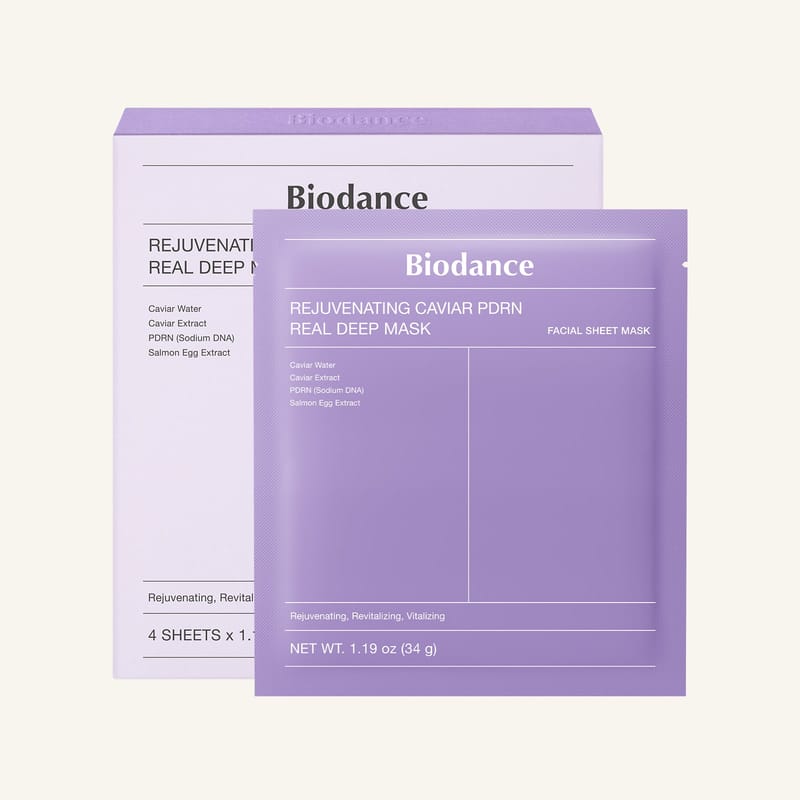
A 34 g hydrogel sheet with glycerin, niacinamide and gel-forming ingredients. Biodance lists Sodium DNA along with caviar and salmon egg ingredients. The list establishes their presence and leaves their contribution to the mask’s effects uncertain.
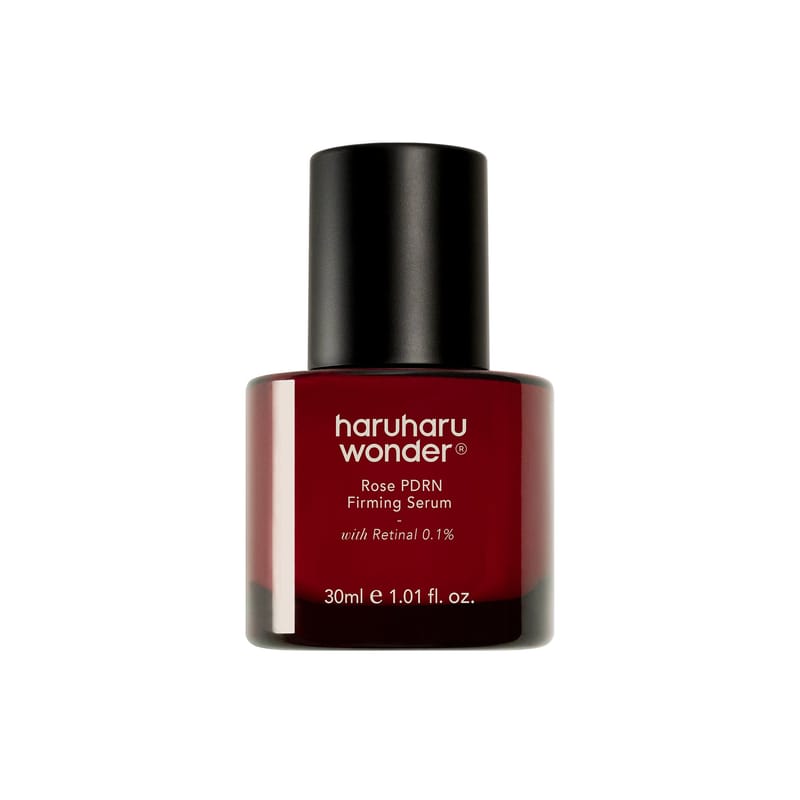
A 30 mL evening serum that the maker lists with 0.1% retinal, Sodium DNA and peptides. The UK retailer’s online ingredient order differs from the maker’s global panel. Use the label on your pack to compare formulas.
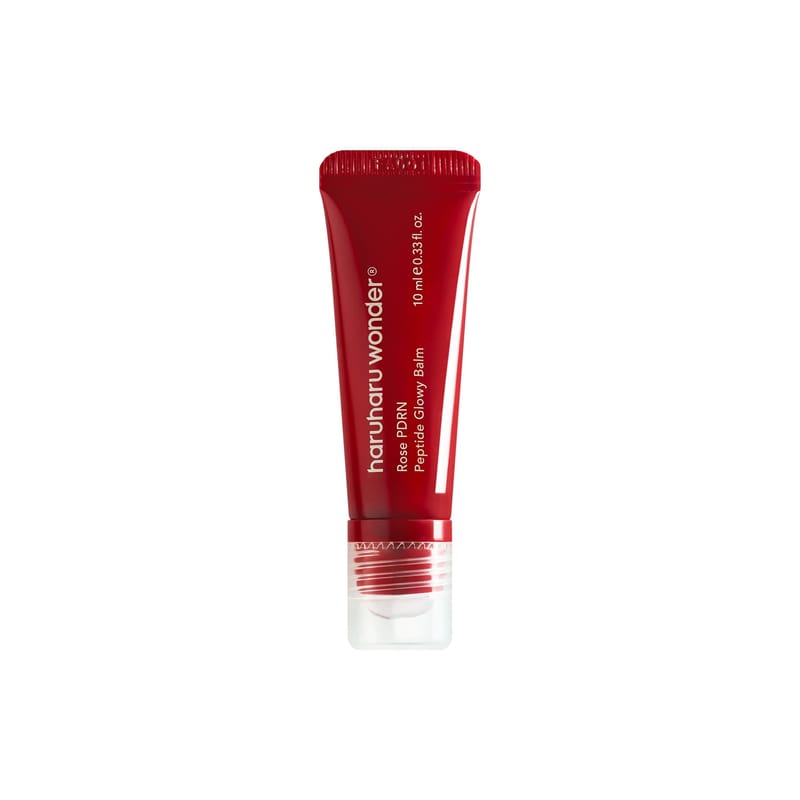
The 10 mL Glossy Clear shade is a lip balm with waxes, shea butter, jojoba oil, Sodium DNA and peptides. The formula declaration applies to this shade only.
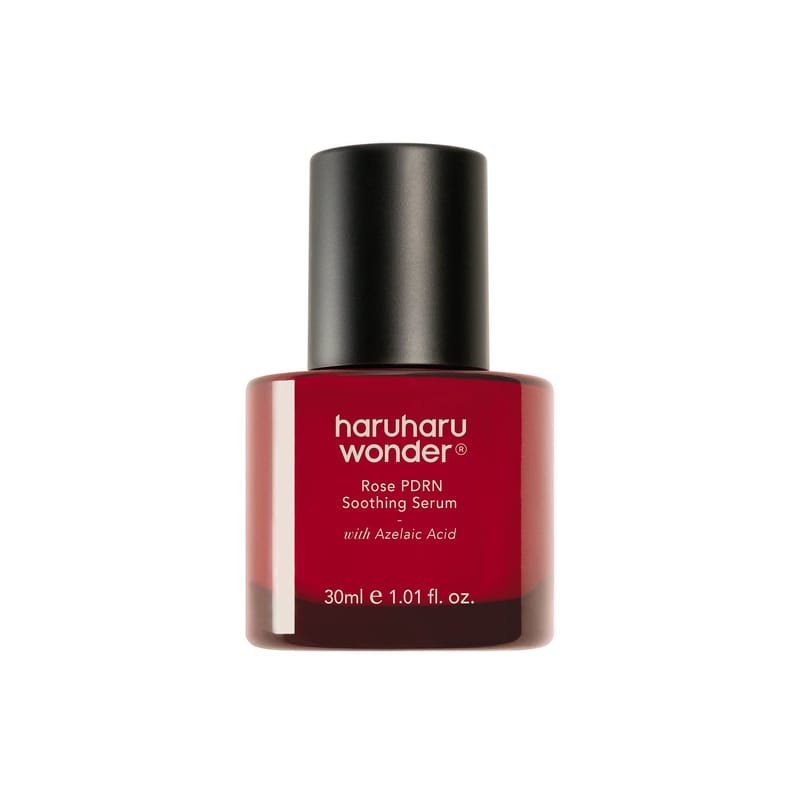
A 30 mL facial serum with glycerin, niacinamide, panthenol, Sodium DNA and azelaic acid on the maker’s list. The maker does not state an azelaic acid percentage on its product page.
A customisable dual-texture moisturiser combining a clear gel with PDRN capsules. It creates a pronounced dewy finish and can be mixed lighter or richer according to skin comfort.
A single-use hydrogel mask with salmon-derived sodium DNA, niacinamide, hydrolysed collagen and peptides. It provides an intensive temporary hydration and glow step rather than a necessary daily routine product.
A two-part collagen gel-pad treatment containing salmon-derived sodium DNA, niacinamide, capryloyl salicylic acid and retinol. It is more active than a basic hydrating toner pad and should be introduced cautiously.
A moisturising salmon-derived PDRN serum with niacinamide, peptides and collagen-related ingredients. Its main immediate role is hydration and glow; the evidence for topical PDRN remains formulation-specific and less established than sunscreen or retinoids.
A 30 mL serum with Sodium DNA, niacinamide and panthenol. The manufacturer’s ingredient list helps compare the formula with other serums, but gives no head-to-head performance result.
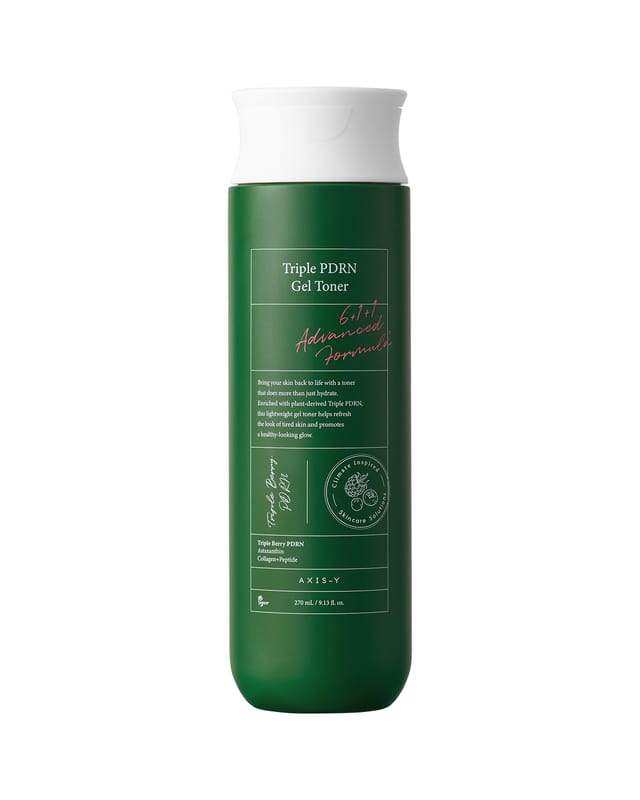
A 270 mL gel toner with rose flower water and sodium hyaluronate. Check the ingredient list if you are avoiding retinoids, as it also includes retinal.
PDRN stands for polydeoxyribonucleotide: purified fragments of DNA. In cosmetics it usually appears as Sodium DNA. Most is derived from salmon or trout, while some brands sell plant-derived materials under a PDRN name; those are different materials and should not be assumed to behave the same way.
Most PDRN research concerns injected or medical preparations. Evidence for PDRN applied to intact skin is early and formulation-specific, so a product's whole formula, texture and your tolerance matter more than a headline PDRN claim.
How to choose between PDRN products
Start with the routine step you actually need rather than the product with the biggest PDRN claim.
Serums and ampoules suit one focused leave-on step after cleansing.
Creams make sense when you need a moisturiser anyway.
Toners and pads are optional light layers; they can be redundant in a short routine.
Check the full ingredient list for fragrance, essential oils and acids if your skin reacts easily, and patch test new products.
Avoid fish-derived PDRN if you follow a vegan routine or have a fish allergy concern; ask a pharmacist or GP if unsure.
PDRN skincare is not the same as clinic injections
Clinic polynucleotide and PDRN injections are procedures, with different regulation, risks and evidence. A cream or serum is a cosmetic and cannot claim to treat or repair skin. Read our guide to PDRN injection safety before booking a treatment.