Published PDRN toners, milky toners and toner pads in our catalogue. Each links to a research-based assessment; listing is not a recommendation or a hands-on test.
Cosmetic information only. Ingredient effects are formulation-dependent and evidence is often limited. This is not medical advice.
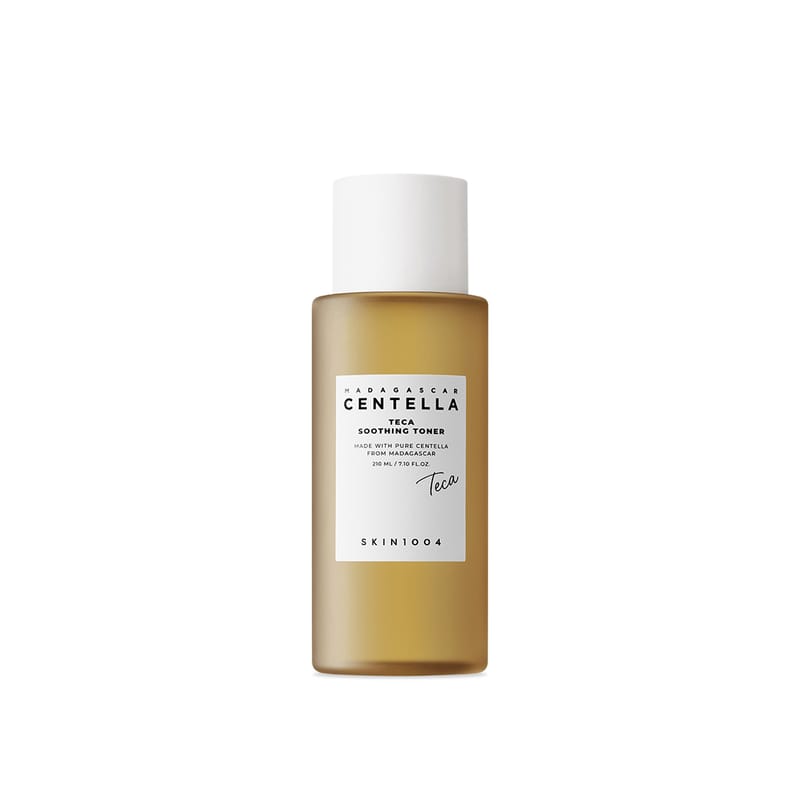
A 210 mL centella and glycerin toner. SKIN1004 identifies the Sodium DNA in the formula as plant-derived PDRN. The maker’s list also includes niacinamide, panthenol and a salicylic acid derivative.
A 280 mL hydrating toner with niacinamide, panthenol and several forms of hyaluronic acid. The manufacturer lists Sodium DNA and Hydrolyzed DNA. This formula review does not establish how much they contribute to the finished toner’s effects.
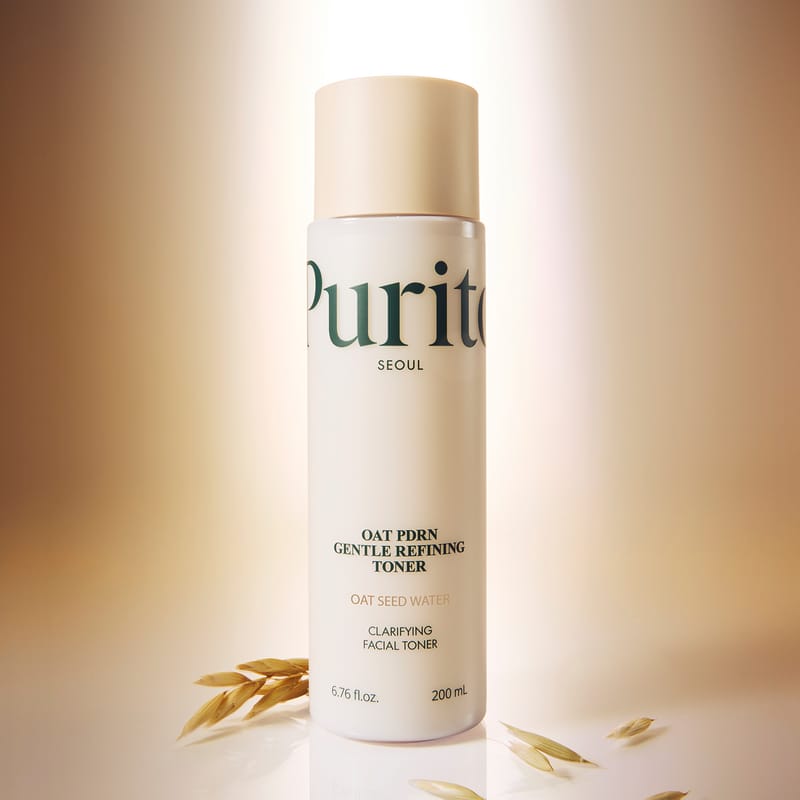
A 200 mL toner based on oat seed water, with meadowfoam oil, glycerin and panthenol on the maker’s list. Purito declares Sodium DNA at 5 ppm in the finished toner.
A watery hydrating toner combining salmon-derived sodium DNA with humectants, panthenol and hyaluronic-acid/collagen components. It is intended to remove post-cleansing tightness and prepare the skin for later layers.
Dual-textured, essence-soaked toner pads designed for quick hydration and glow-focused skin preparation. They are primarily a hydrating convenience format rather than an exfoliating treatment.
A milky salmon-PDRN toner with niacinamide, emollient oils, panthenol, ceramides and peptides. It gives more moisturising slip than a watery toner and may suit dry or dehydrated-feeling skin best.
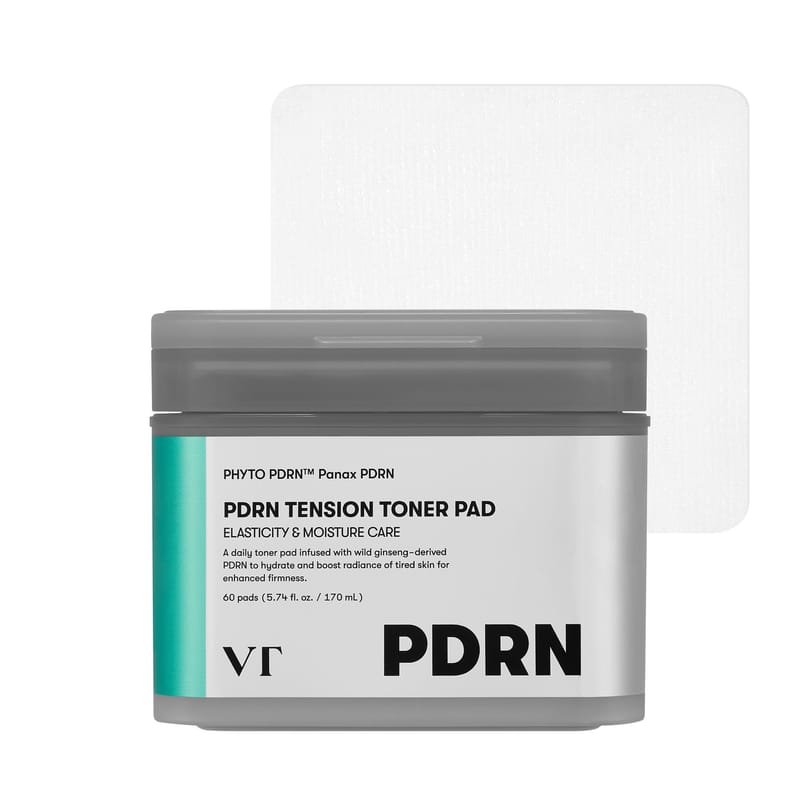
A leave-on toner pad whose listed formula combines water-binding ingredients such as glycerin and panthenol with squalane, shea butter and ceramide NP. VT describes the PDRN as plant-derived and lists Sodium DNA. The ingredient declaration does not establish how much Sodium DNA is present or whether the finished pads improve firmness.
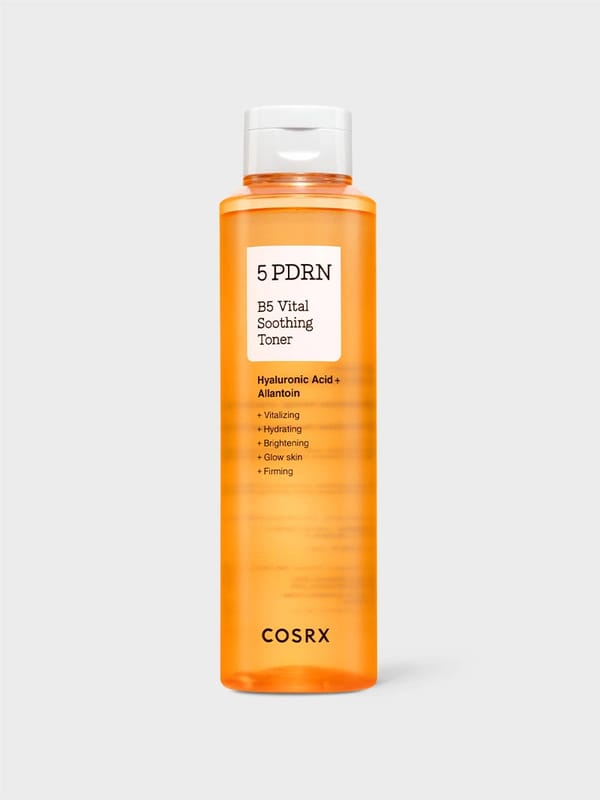
A watery plant-PDRN toner with glycerin, niacinamide, betaine, panthenol, centella and ceramide NP. It offers a straightforward hydrating first layer without the richness of the VT PDRN essence.
A two-part collagen gel-pad treatment containing salmon-derived sodium DNA, niacinamide, capryloyl salicylic acid and retinol. It is more active than a basic hydrating toner pad and should be introduced cautiously.
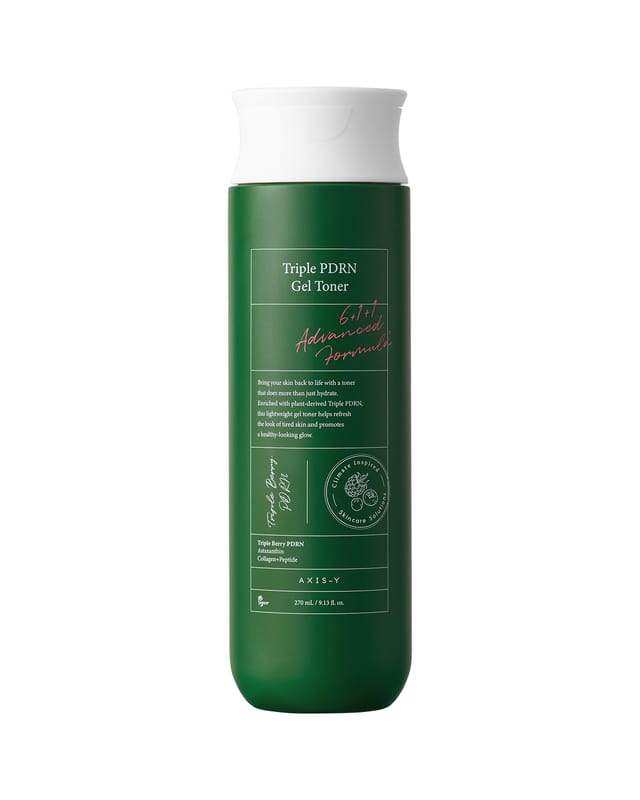
A 270 mL gel toner with rose flower water and sodium hyaluronate. Check the ingredient list if you are avoiding retinoids, as it also includes retinal.
A PDRN toner is a light first layer after cleansing, usually watery or milky, that adds hydration before serums and moisturiser. Pads are the same idea soaked into cotton or gauze. Toners are optional: in a short routine a good moisturiser may already cover the same need.
Most PDRN research concerns injected or medical preparations. Evidence for PDRN applied to intact skin is early and formulation-specific, so a product's whole formula, texture and your tolerance matter more than a headline PDRN claim.