Published PDRN serums, ampoules and essences in our catalogue. Each links to a research-based assessment of its formula; listing is not a ranking, and we have not hands-on tested these products.
Cosmetic information only. Ingredient effects are formulation-dependent and evidence is often limited. This is not medical advice.
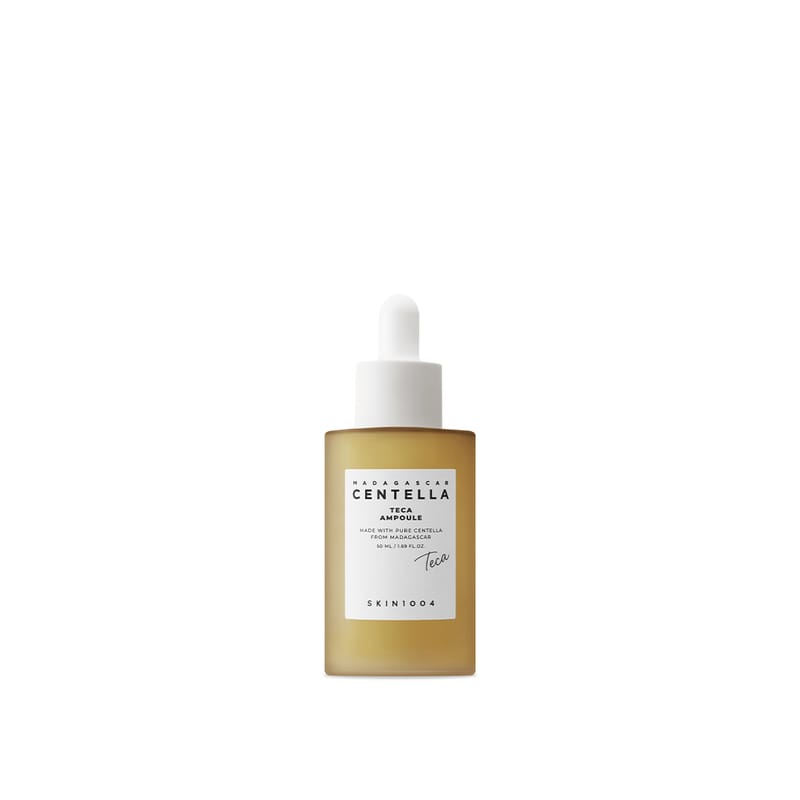
An optional ampoule step with a centella complex, polyglutamic acid and peptides alongside Sodium DNA. Compare the whole formula with any hydrating serum you already use. The brand listing supplies the ingredient evidence.
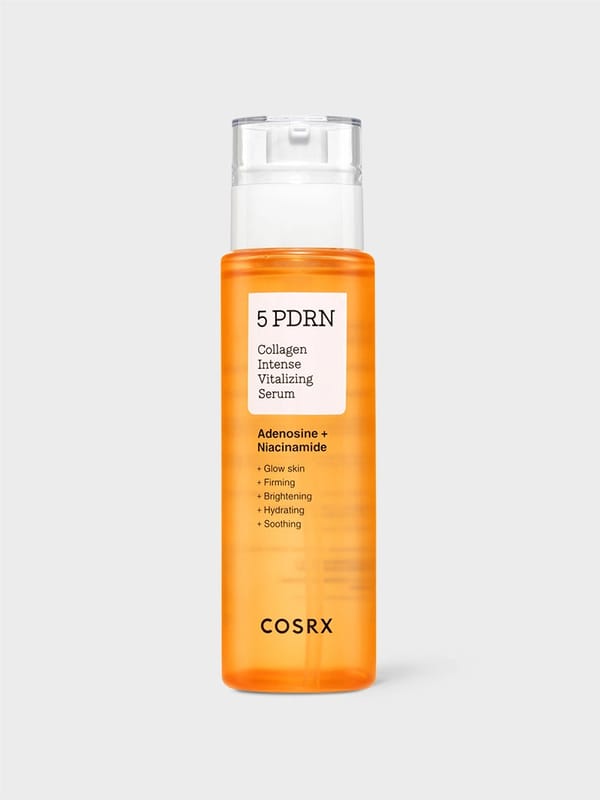
A 100 mL facial serum built around humectants, niacinamide and panthenol, with Sodium DNA and hydrolysed collagen on the maker’s ingredient list. It fits the serum step of a routine. The listed formula does not establish how the finished serum compares with other PDRN products.
A rich, milky essence using ginseng-derived plant PDRN alongside niacinamide, ceramides, panthenol and emollients. It provides a moisturising glow and may function more like an emulsion than a water-light essence.
A milky plant-PDRN ampoule with a rich emollient base, centella-derived ingredients, ceramides, panthenol and peptides. It suits dry or dull-feeling skin seeking a moisturising glow, but may feel heavy on very oily skin.
A 100 mL facial serum mist with a silicone, glycol and panthenol base and Sodium DNA on the maker’s ingredient list. Its spray format is the main distinction from a dropper serum. The maker’s declaration supplies the formula evidence.
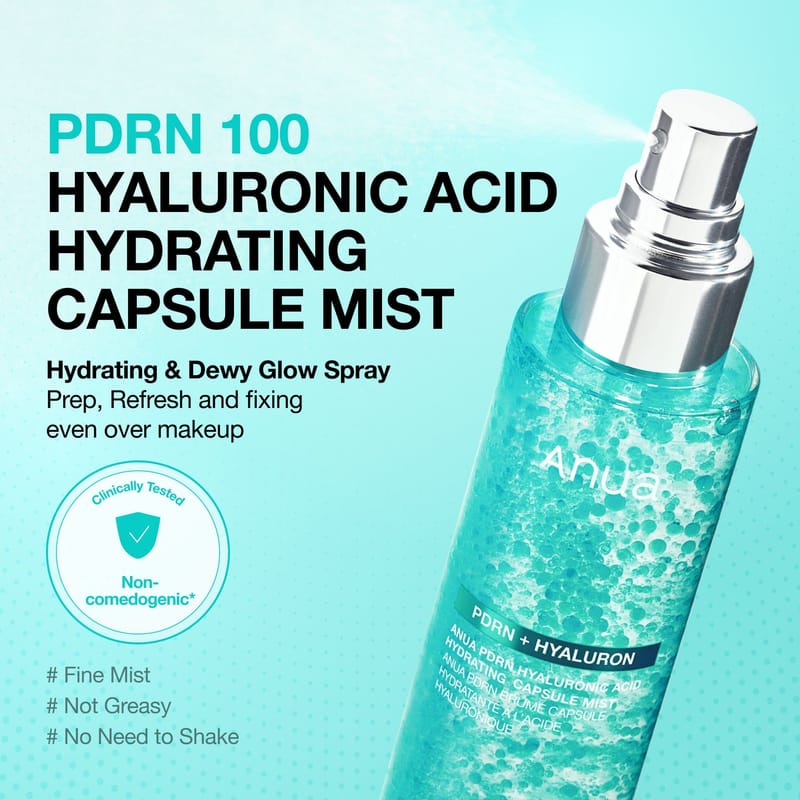
An ultra-fine, plant-PDRN ampoule mist combining a light oil phase with niacinamide, ceramides, panthenol and humectants. It is convenient for adding dew before or after makeup but does not replace sunscreen.
A lightweight salmon-derived PDRN capsule serum with several forms of hyaluronic acid, niacinamide, collagen and glutathione. It is primarily a hydrating and glow-focused serum, not a proven substitute for prescription treatment or procedures.
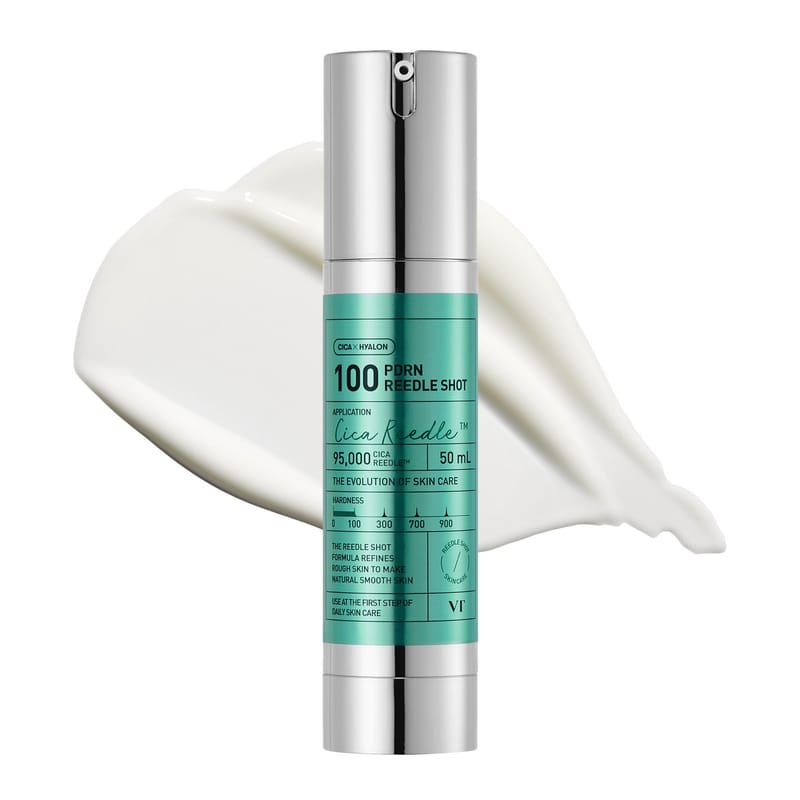
A 50 mL leave-on spicule booster with silica and a blend of hyaluronic acid forms. VT describes its PDRN as plant-derived from wild ginseng and lists Sodium DNA at 0.05 ppm. That declaration cannot establish how much the ingredient contributes to the finished formula's effects.
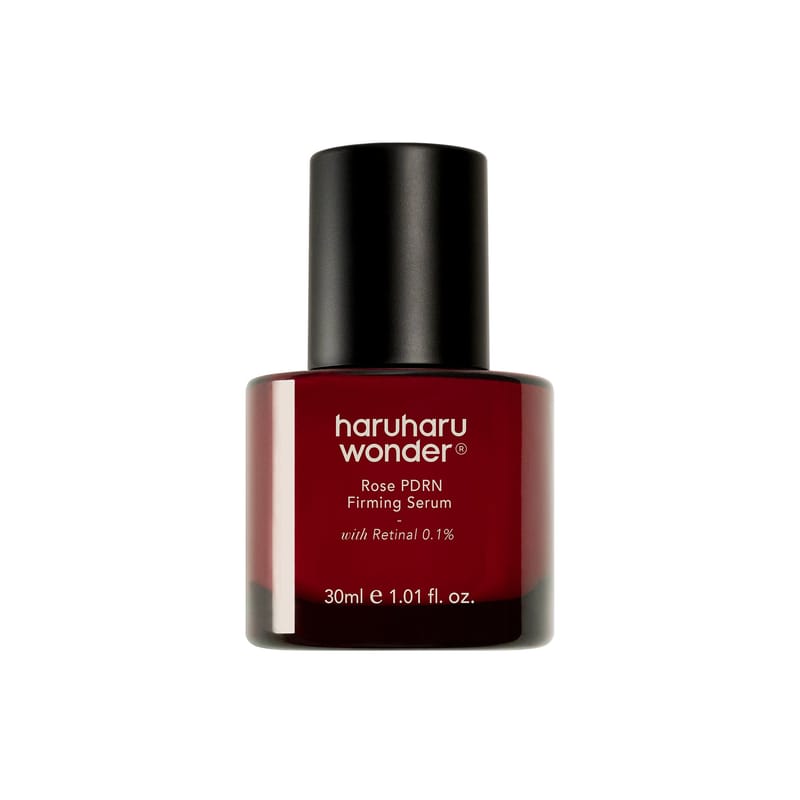
A 30 mL evening serum that the maker lists with 0.1% retinal, Sodium DNA and peptides. The UK retailer’s online ingredient order differs from the maker’s global panel. Use the label on your pack to compare formulas.
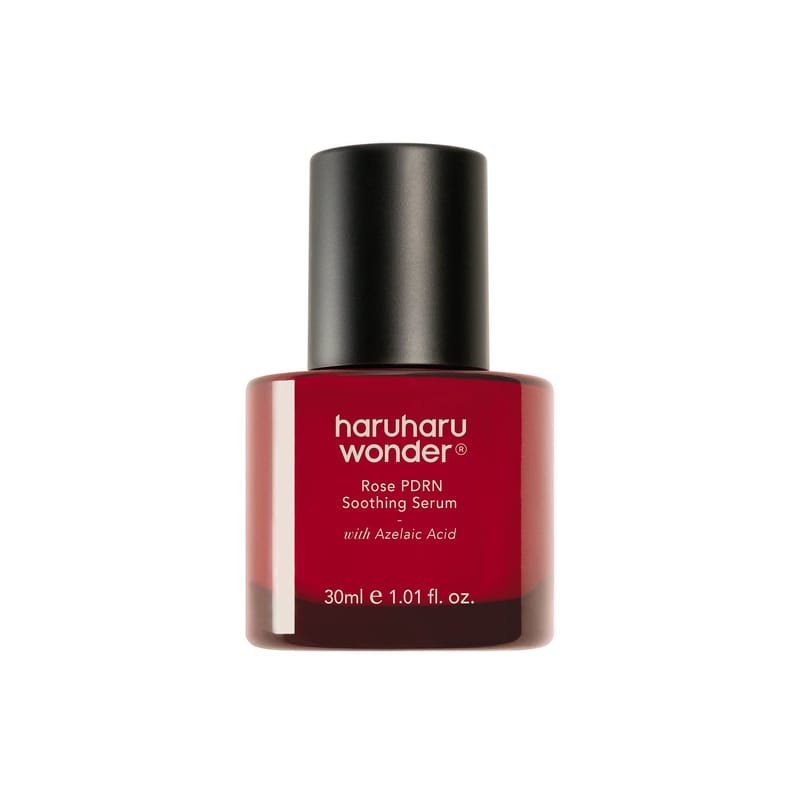
A 30 mL facial serum with glycerin, niacinamide, panthenol, Sodium DNA and azelaic acid on the maker’s list. The maker does not state an azelaic acid percentage on its product page.
A moisturising salmon-derived PDRN serum with niacinamide, peptides and collagen-related ingredients. Its main immediate role is hydration and glow; the evidence for topical PDRN remains formulation-specific and less established than sunscreen or retinoids.
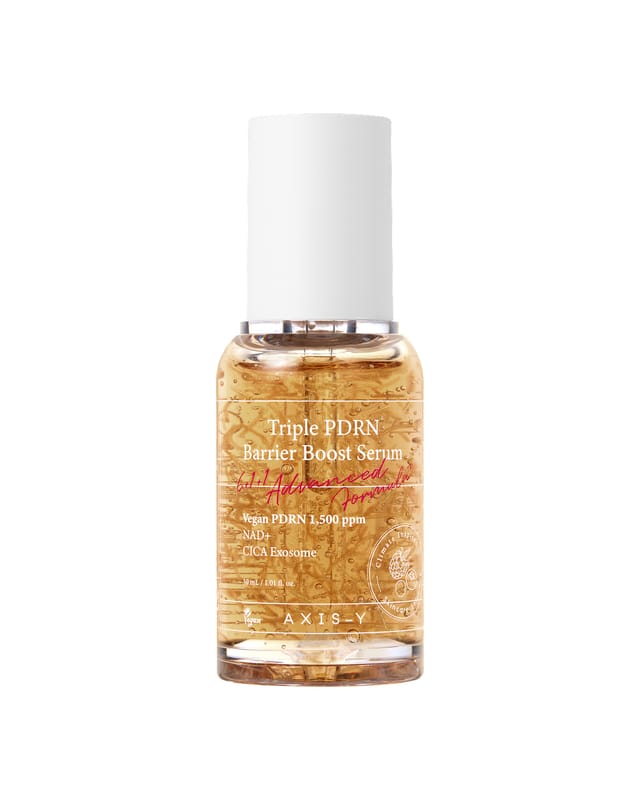
A 30 mL serum with Sodium DNA, niacinamide and panthenol. The manufacturer’s ingredient list helps compare the formula with other serums, but gives no head-to-head performance result.
A PDRN serum is a lightweight leave-on product that lists PDRN (usually Sodium DNA) alongside hydrating and supporting ingredients such as hyaluronic acid, glycerin, niacinamide or panthenol. Ampoules and essences are similar formats; the names are marketing categories rather than defined strengths.
Most PDRN research concerns injected or medical preparations. Evidence for PDRN applied to intact skin is early and formulation-specific, so a product's whole formula, texture and your tolerance matter more than a headline PDRN claim.
Choosing a PDRN serum
Pick one serum-type step; layering several PDRN serums adds cost without established benefit.
Compare the supporting ingredients, which often do more of the visible hydrating work.
Check whether the PDRN is salmon-derived or plant-marketed, and whether the brand states a concentration.
Introduce one new active at a time and patch test.