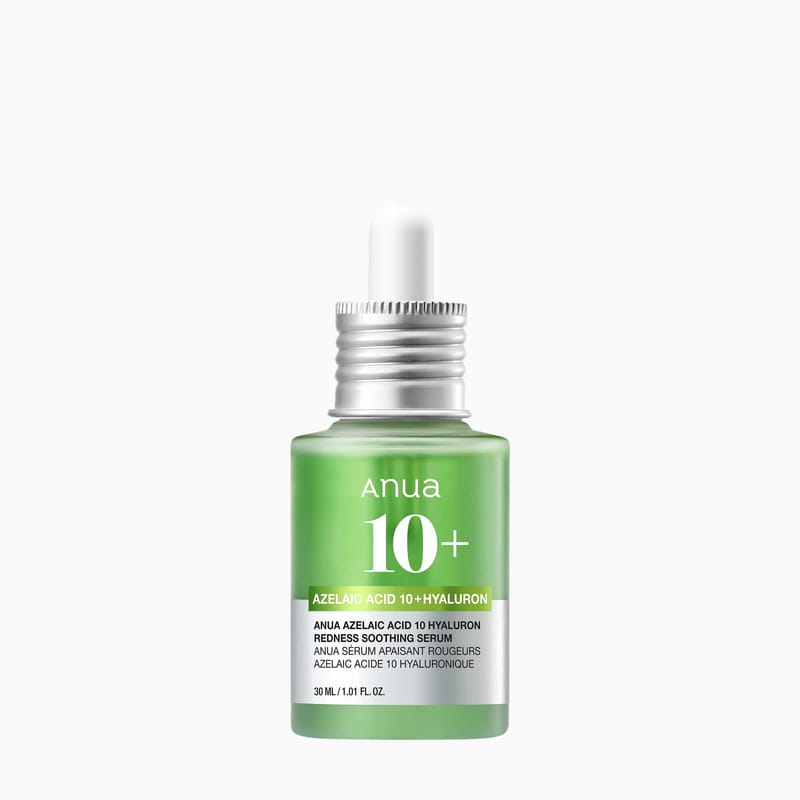
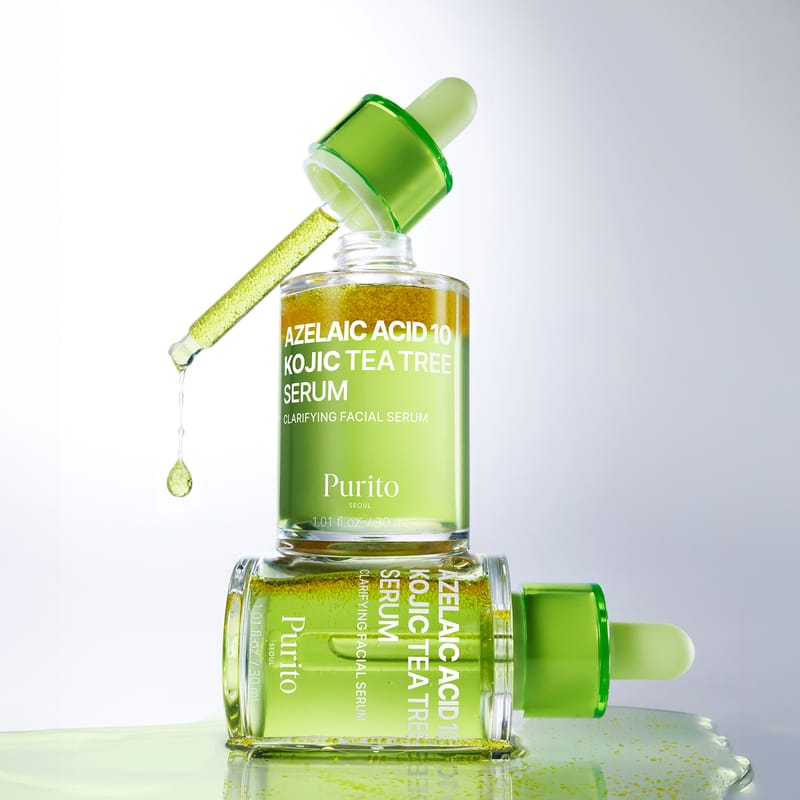
A 30 mL cosmetic serum with 10% azelaic acid according to Anua, plus panthenol and sodium hyaluronate on the maker’s list. It is an active serum step, so compare it with the other actives already in your routine and follow the pack directions.
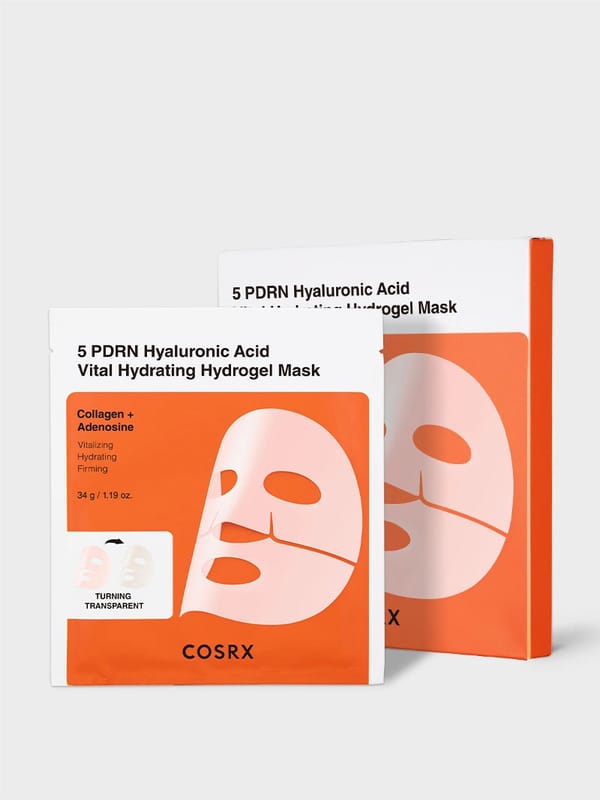
A 34 g hydrogel sheet with glycerin, niacinamide and gel-forming ingredients. COSRX lists Sodium DNA and Hydrolyzed DNA. The ingredient declaration confirms they are present and gives no finished-mask comparison with the matching serum or toner.
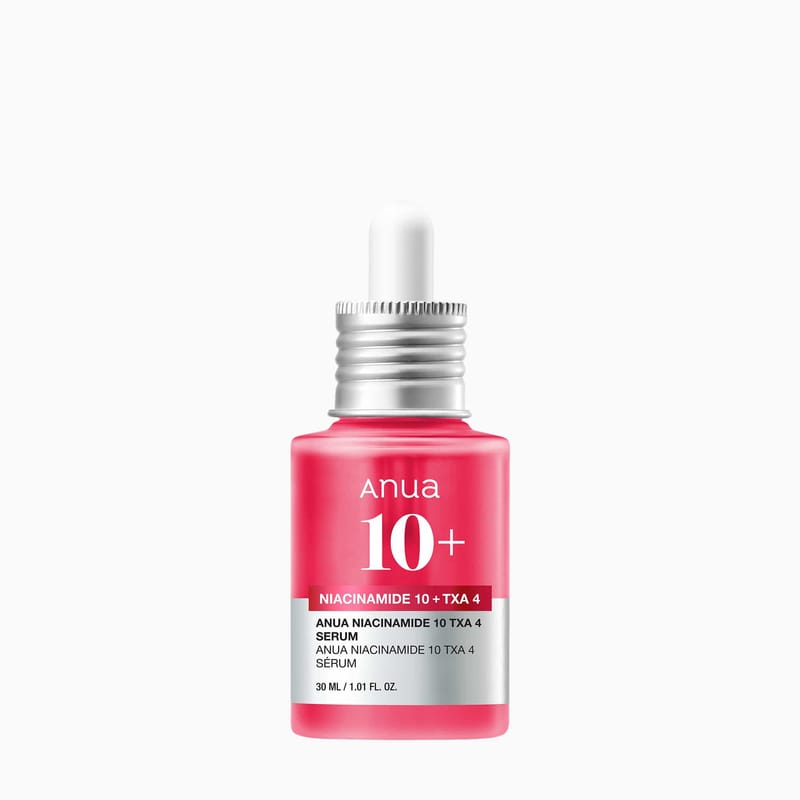
A brightening serum built around niacinamide and tranexamic acid, with arbutin and alpha-arbutin also listed, plus hyaluronic acid, panthenol and ceramide NP for comfort. These ingredients are among the better-studied cosmetic options for the appearance of dark marks and uneven tone, but results depend on daily sunscreen and take weeks of consistent use.
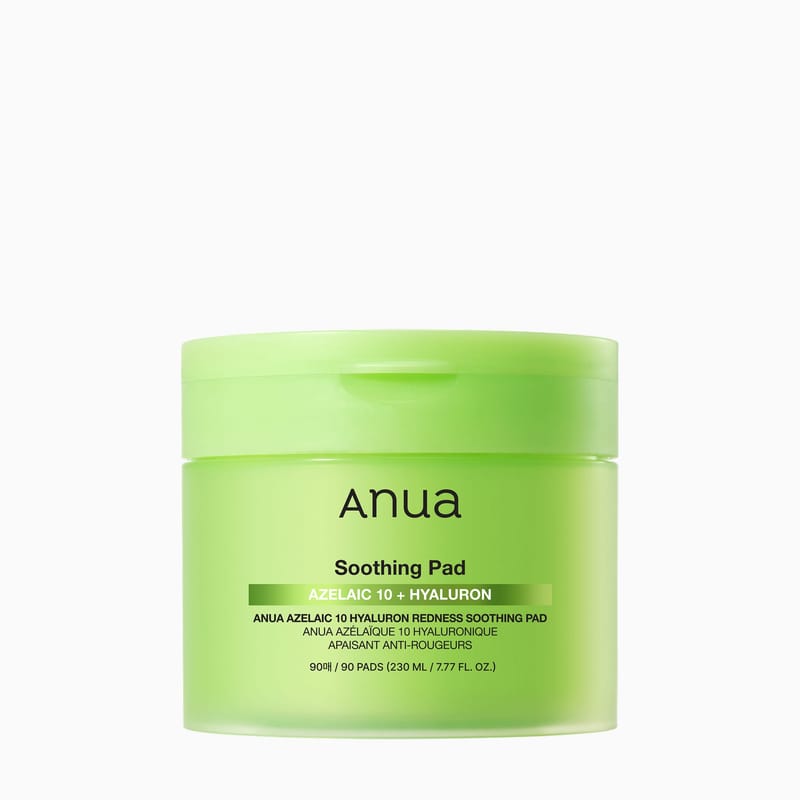
A 230 mL jar of 90 toner pads with glycerin, panthenol, azelaic acid and several hyaluronic acid ingredients in the listed solution. It belongs at the toner step and is distinct from Anua’s similarly named serum.
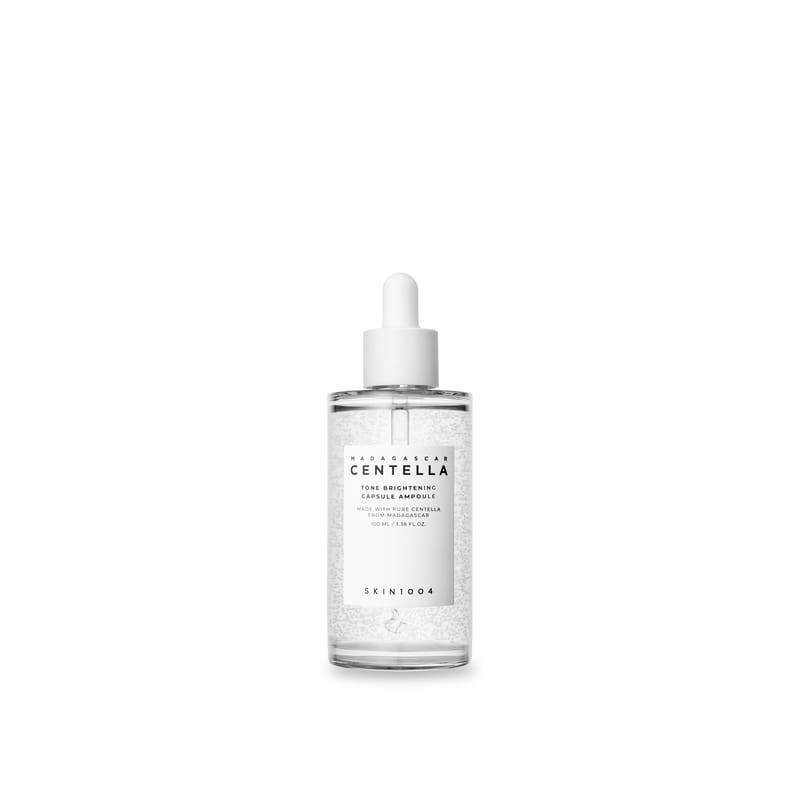
A 100 mL ampoule with niacinamide, tranexamic acid and a vitamin C derivative on the maker’s list. Its formula differs from SKIN1004’s plain centella ampoule and adds a separate leave-on active step.
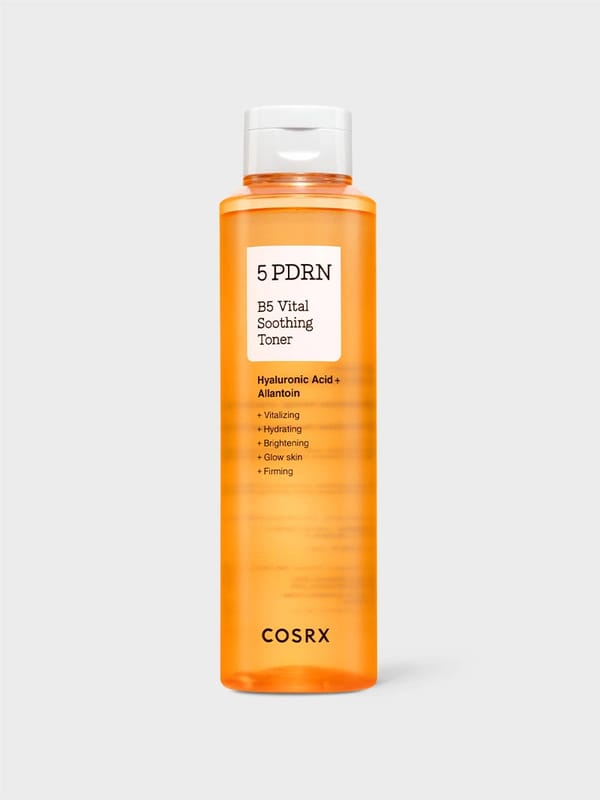
A 280 mL hydrating toner with niacinamide, panthenol and several forms of hyaluronic acid. The manufacturer lists Sodium DNA and Hydrolyzed DNA. This formula review does not establish how much they contribute to the finished toner’s effects.
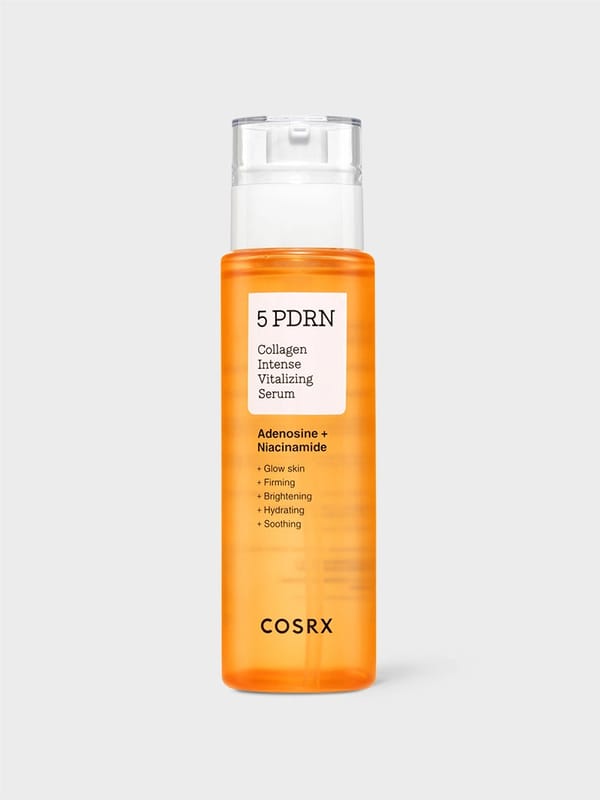
A 100 mL facial serum built around humectants, niacinamide and panthenol, with Sodium DNA and hydrolysed collagen on the maker’s ingredient list. It fits the serum step of a routine. The listed formula does not establish how the finished serum compares with other PDRN products.
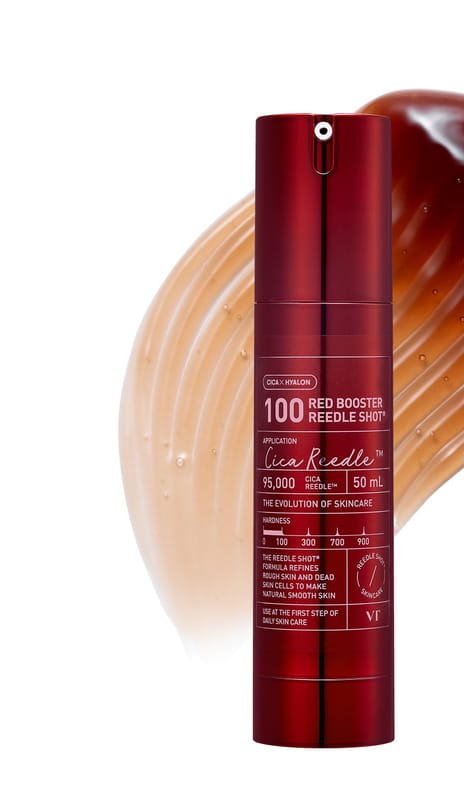
A 50 mL leave-on spicule booster. The global declaration lists silica, niacinamide, panthenol and moringa seed oil. Compare its formula with the original Reedle Shot 100 to see which supporting ingredients differ.
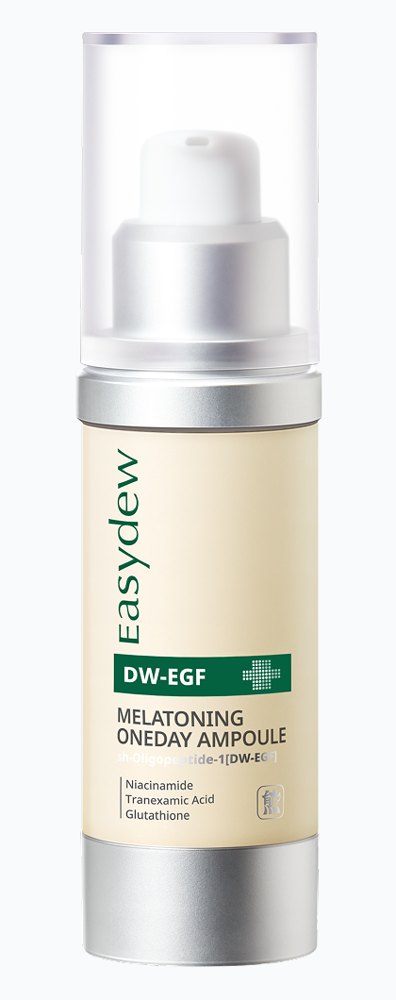
A brightening-focused ampoule that combines sh-Oligopeptide-1 with niacinamide, tranexamic acid, a vitamin C derivative, alpha-arbutin and glutathione. Those supporting ingredients are the more established reason to consider it for the look of dark marks. Evidence for EGF in a retail serum remains limited.
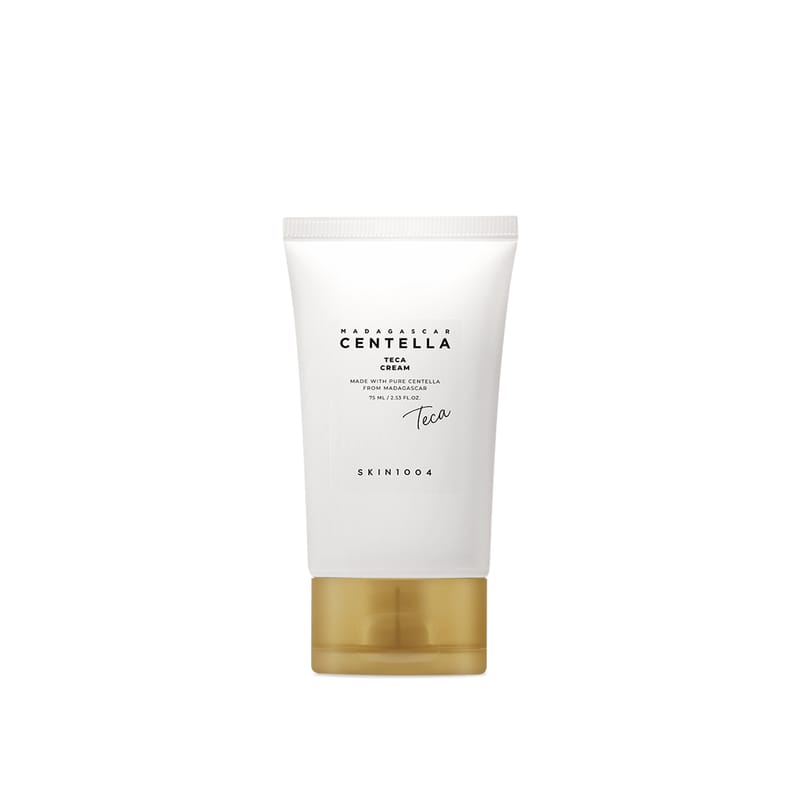
A 75 mL moisturising cream with centella extract, glycerin and niacinamide near the start of the maker’s list. SKIN1004 identifies the listed Sodium DNA as plant-derived PDRN. The formula also contains denatured alcohol and kojic acid.
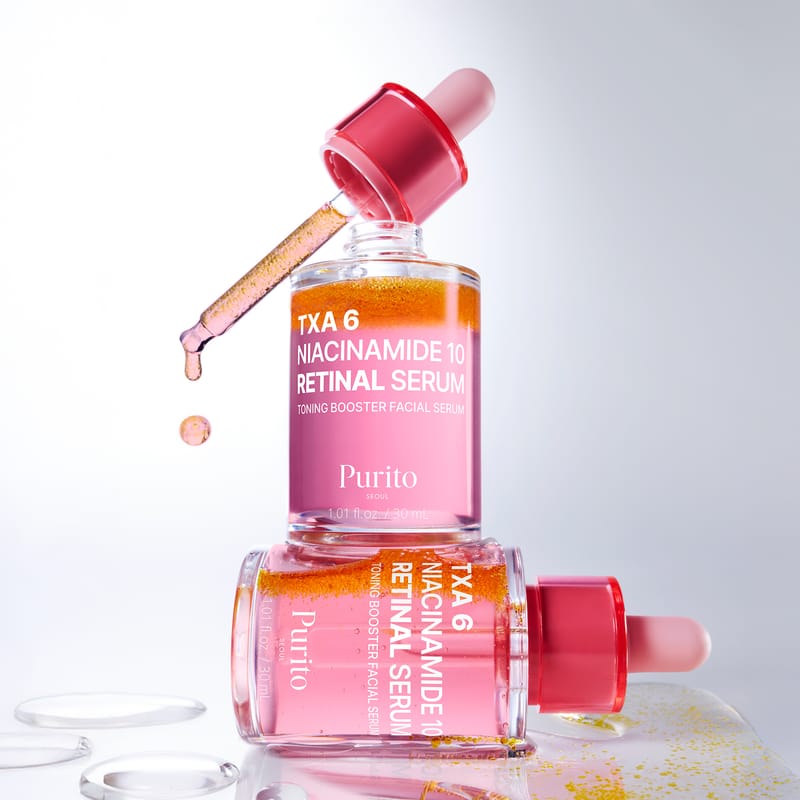
A 30 mL facial serum with maker-declared 10% niacinamide, 6% tranexamic acid and 25 ppm retinal. The formula and retinal level differ from Purito’s Retinol Retinal 2000 NAD+ Serum.
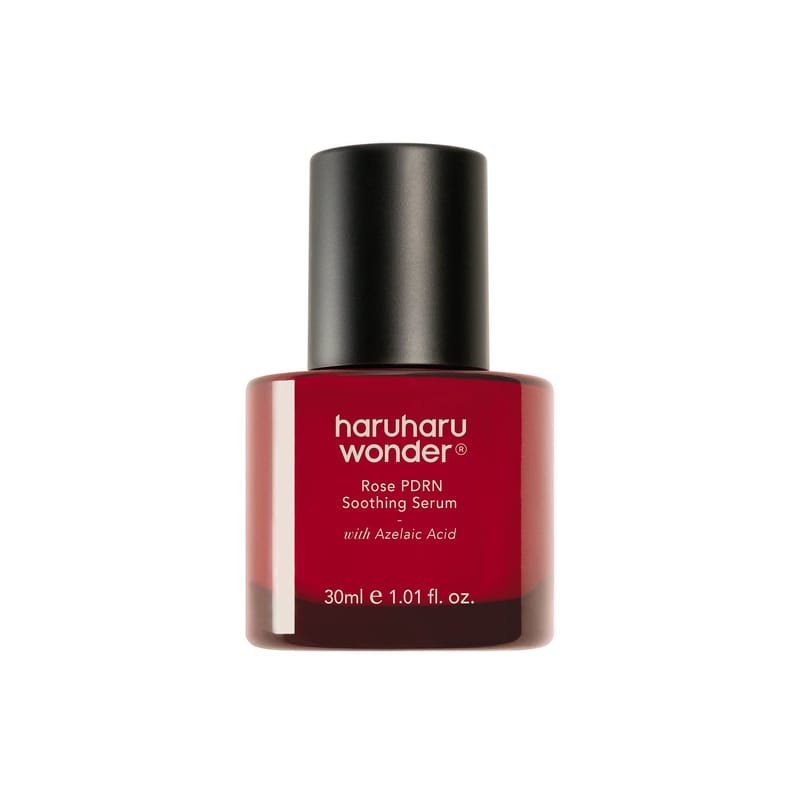
A 30 mL facial serum with glycerin, niacinamide, panthenol, Sodium DNA and azelaic acid on the maker’s list. The maker does not state an azelaic acid percentage on its product page.
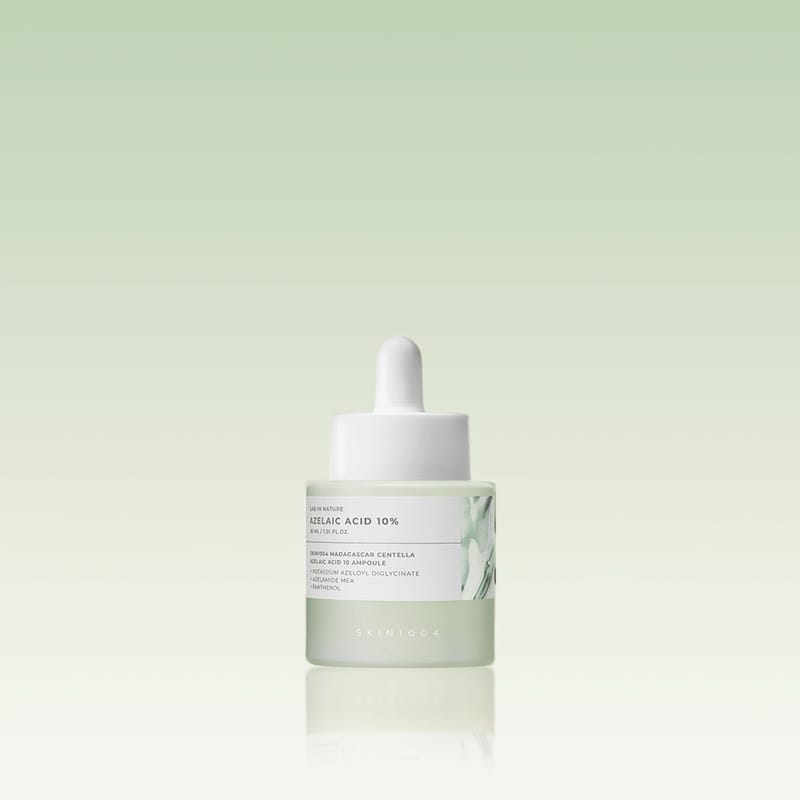
A 30 mL cosmetic ampoule with azelaic acid, two other azelaic-derived ingredients and panthenol on the maker’s list. Compare the exact formula with any active serum you already use.
A flat colour change after a blemish settles is a different concern from an indentation or a raised scar. Photograph the same spot occasionally in similar lighting if you want to track its appearance. Sun protection and avoiding picking give you a sensible starting point while you assess cosmetic products.
Compare one targeted step alongside your usual routine
Check whether a brightening product has directions you can follow comfortably and whether it overlaps with another active you use. Avoid trying several products together to chase a faster visible change. If you are concerned about persistent breakouts, scarring or changes in the mark, ask a healthcare professional.