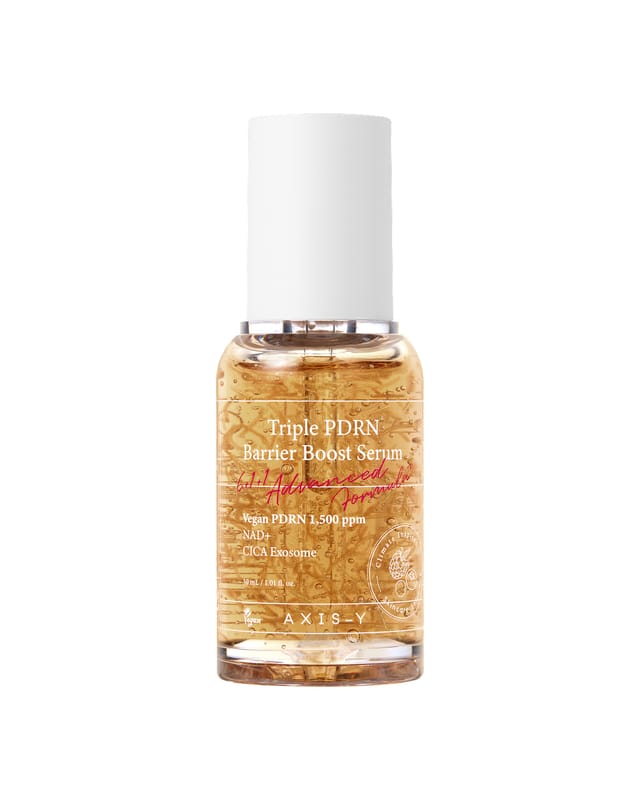
A moisturising salmon-derived PDRN serum with niacinamide, peptides and collagen-related ingredients. Its main immediate role is hydration and glow; the evidence for topical PDRN remains formulation-specific and less established than sunscreen or retinoids.
A 30 mL serum with Sodium DNA, niacinamide and panthenol. The manufacturer’s ingredient list helps compare the formula with other serums, but gives no head-to-head performance result.
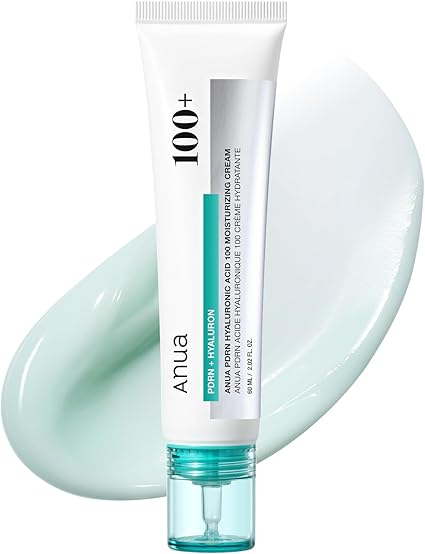
A lightweight salmon-derived PDRN moisturiser with squalane, collagen, niacinamide and multiple forms of hyaluronic acid. It is designed to sit smoothly under makeup while leaving a natural glow.
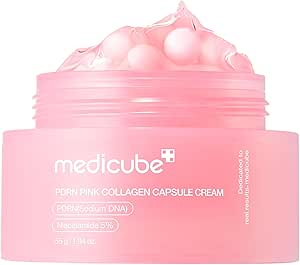
A customisable dual-texture moisturiser combining a clear gel with PDRN capsules. It creates a pronounced dewy finish and can be mixed lighter or richer according to skin comfort.
PDRN is a DNA-derived ingredient, usually sourced from salmon or plants, that is widely used in Korean skincare. In cosmetic products it is commonly used to support hydration and the look of smoother skin.
Evidence for topical use is limited and formulation-dependent. Clinic injections are a different thing altogether, and we keep the two apart.
Read the ingredient list, not the front of the pack. Look for Sodium DNA or Hydrolyzed DNA, see whether it sits before or after the preservatives, check for a UK responsible person, a batch number…
Realistic PDRN before-and-after results are subtle. Injection studies measured improvements in fine lines and texture 8 to 12 weeks after a course of sessions, and some gains faded by six months.
No trials have compared PDRN and PRP head to head, so neither has been proven better. PRP uses growth factors from your own blood and has evidence for skin thickness and elasticity.
PDRN and hyaluronic acid do different jobs. Hyaluronic acid is a proven humectant that draws water into skin, and as an injection it adds hydration or volume.
Devices
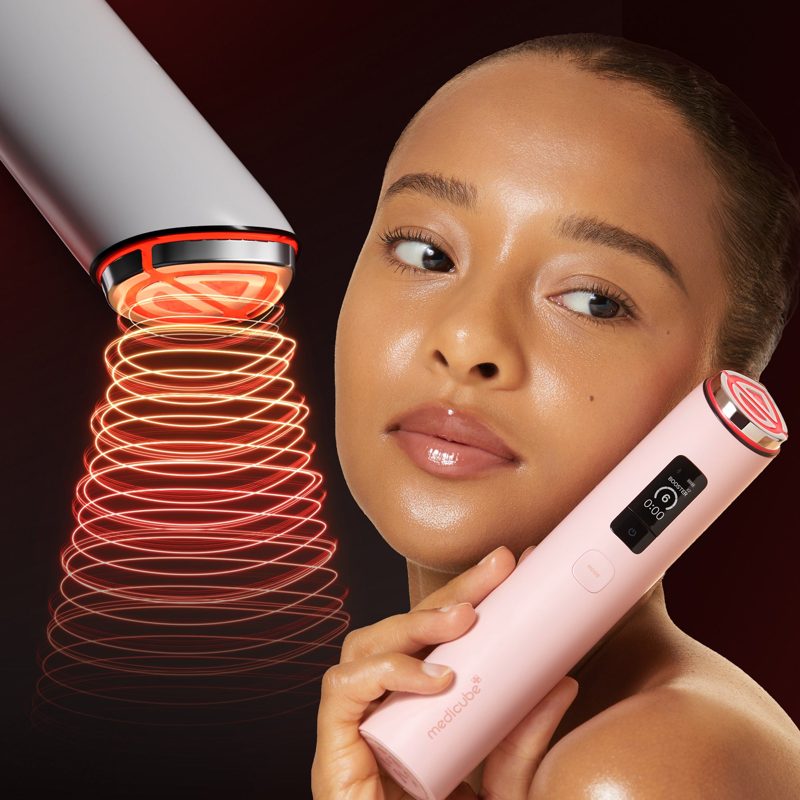
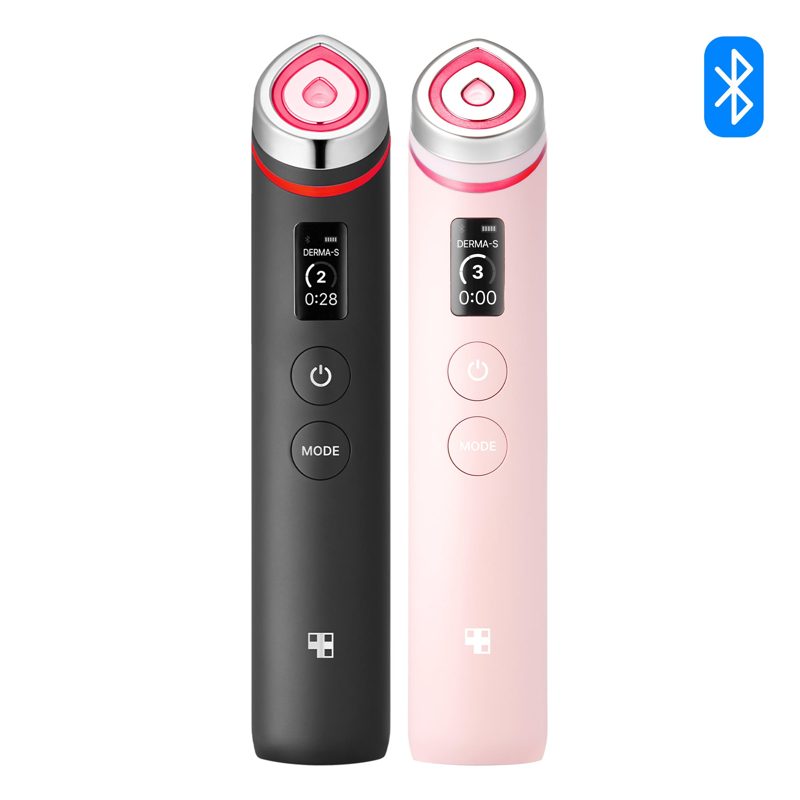
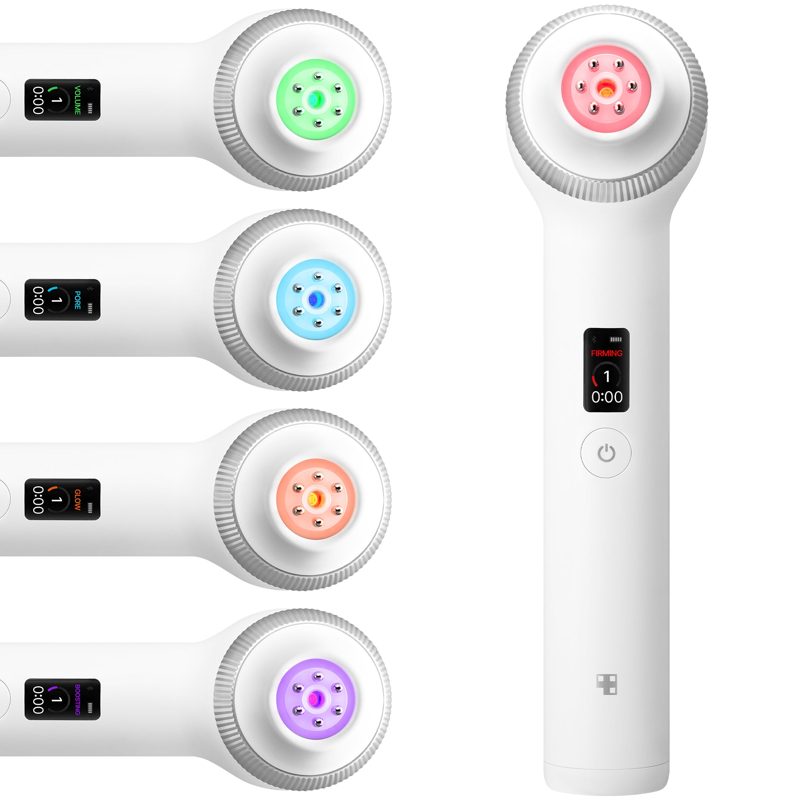
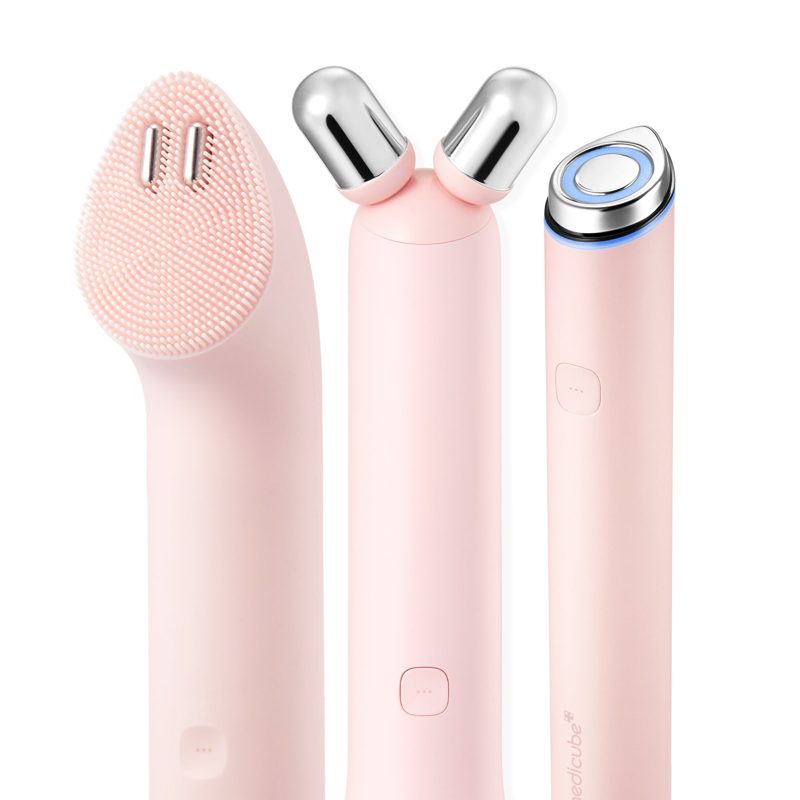
At-home Korean beauty devices
Manufacturer claims kept separate from independent evidence.