
GuidesEvergreen research · not a news report
Korean Rice Skincare: Science, Rice Water Formulations, and Routine Integration
A research-led overview of Korean rice skincare formulations, exploring the evidence behind rice water, fermented extracts, and how to integrate them into a daily routine.
Editorial research review ·Written by Korean PDRN Editorial Team· Published 14 Oct 2026
Compare the products in this article
Researched from catalogue and manufacturer information — not hands-on tested. Prices and stock change; check the retailer before buying.
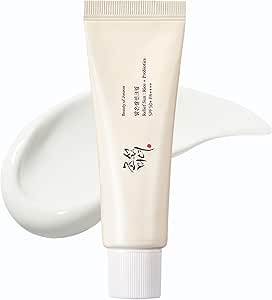
Beauty of Joseon · Sunscreens
Relief Sun RiceMay suit: Daily lightweight facial sun protection
Less suited to: Very oily skin that wants a dry matte finish; anyone sensitive to one of the listed UV filters, niacinamide or fermented extracts; users seeking a water-resistant sports sunscreen.
On this page · 7 sections
Rice derivatives have played a role in East Asian skin preparation for centuries, originating from traditional cleansing practices using leftover rice washing water. In modern cosmetic chemistry, rice skincare korean formulations utilise refined Oryza Sativa extract, rice bran water, and fermented filtrate components. These ingredients are incorporated into hydrating toners, serums, and sunscreens to enhance surface hydration and refine skin texture. While traditional use is extensive, understanding the clinical distinction between raw home remedies and stabilized commercial formulations is essential for managing skin expectations.
What Is Rice Extract in Korean Skincare?
In commercial formulations, rice ingredients generally fall into three primary categories: Oryza Sativa (Rice) Bran Water, Oryza Sativa Extract, and fermented rice filtrate (such as Aspergillus/Rice Ferment Filtrate). Rice bran is particularly rich in bioactive compounds including gamma-oryzanol, ferulic acid, vitamin E derivatives (tocopherols and tocotrienols), and essential amino acids. When raw rice water is traditionally prepared, it contains starch and trace minerals; however, commercial products use standardized extraction methods to isolate beneficial polysaccharides and antioxidants while removing potential impurities and uncontrolled microbial growth.
What the Evidence Suggests
Cosmetic research indicates that topically applied rice bran water and fermented extracts may support barrier hydration and improve the appearance of skin radiance. Gamma-oryzanol and ferulic acid possess antioxidant properties that help neutralize free radicals generated by environmental exposure. Furthermore, the amino acid profile of rice extracts may help improve the appearance of uneven skin tone and roughness by maintaining moisture retention in the stratum corneum. Fermented rice filtrates offer enhanced bioavailability, allowing lower molecular weight compounds to support skin barrier function effectively, though individual results remain formulation-dependent.
What the Evidence Does Not Establish
Despite popular claims on social media surrounding home-brewed rice water, scientific evidence does not establish that topical rice skincare can alter cellular melanin production permanently or treat pigmentary disorders. Furthermore, raw diy rice water poses microbial contamination risks and lacks the stabilization required for consistent delivery. Rice extracts do not replace targeted active ingredients like synthetic retinoids or high-strength hydroxyl acids for deep structural remodeling; their main benefit lies in soothing surface hydration and modest antioxidant support rather than systemic cellular alterative effects.
Who Rice Skincare Suits Best
Rice-based ingredients are generally well tolerated across most skin types, making them particularly suitable for dry, dehydrated, or sensitive skin barriers. Because rice bran extracts are non-stripping and naturally mild, individuals experiencing transient redness or surface roughness often benefit from lightweight layerable products such as a milky rice toner. Oily and combination skin types can also utilize fluid rice extracts without risk of heavy occlusion, provided the overall formula uses lightweight emollient bases.
How to Incorporate Rice Ingredients into Your Routine
Rice skincare formulations are versatile and layer easily within a daily regime. Hydrating formulas like the I'm From Rice Toner can be applied immediately after cleansing to prep the skin, followed by target serums and moisturizers. For daytime protection, rice-infused sunscreens like Beauty of Joseon Relief Sun Rice deliver both UV filters and comforting moisture. When layering multiple hydrating steps, apply water-based essences first, followed by emulsion-based toners and creams.
What to Combine or Avoid with Rice Extracts
Rice extracts combine exceptionally well with complementary barrier-supporting ingredients such as niacinamide, panthenol, and centella asiatica. Combining a rice toner with niacinamide may help improve the appearance of dullness and support lipid barrier resilience. Triterpenoid compounds like madecassoside from centella asiatica provide additive soothing properties when paired alongside antioxidant-rich botanical extracts. There are no major active contraindications with rice extracts, meaning they can safely be paired with exfoliants or retinoids to buffer potential irritation.
Frequently asked questions
Is fermented rice extract better than standard rice water?
Fermentation breaks down complex molecules into smaller components, which may support better absorption and bioavailability on the skin surface, though standard extracts also offer effective hydration.
Can I make DIY rice water at home for my skin?
DIY rice water lacks preservatives and standardized concentrations, creating a risk of bacterial growth and skin irritation. Commercial formulations are stabilized and safer for daily use.
Does a rice toner replace my hydrating serum?
A rice toner provides an excellent initial layer of hydration, but individuals with severe dry skin may still require concentrated serums containing hyaluronic acid or glycerin.
In summary
Korean rice skincare represents a practical fusion of traditional cosmetic practices and modern botanical extraction. By delivering antioxidant support, rich amino acids, and gentle hydration, rice extract formulations offer a reliable option for improving surface texture and radiance. When integrated into a balanced skincare routine alongside proven barrier lipids and daily sun protection, rice-based toners and creams may support overall skin health and moisture balance.
Sources
-
Best Skincare Solutions For Rosacea Prone Skin - Hants — Triterpenoid saponins such as asiaticoside and madecassoside derived from botanical sources possess anti-inflammatory properties that inhibit COX-2 expression.
-
Best Korean Skincare Solutions For Rosacea Prone Skin - Hants — Formulations incorporating centella asiatica, niacinamide, and panthenol help calm visible redness and support compromised skin barriers.
Get new PDRN research by email
One email a week with new guides and evidence updates. No spam; unsubscribe anytime.
Something not right? Request a correction. Read our editorial policy and review methodology.