
GuidesEvergreen research · not a news report
Which Korean Skincare Product Is Best for Hyperpigmentation?
Editorial research review ·Written by Khalid Anwar, Clinical Pharmacist, UK (GPhC 2219283)· Published 28 Oct 2026
Compare the products in this article
Researched from catalogue and manufacturer information — not hands-on tested. Prices and stock change; check the retailer before buying.
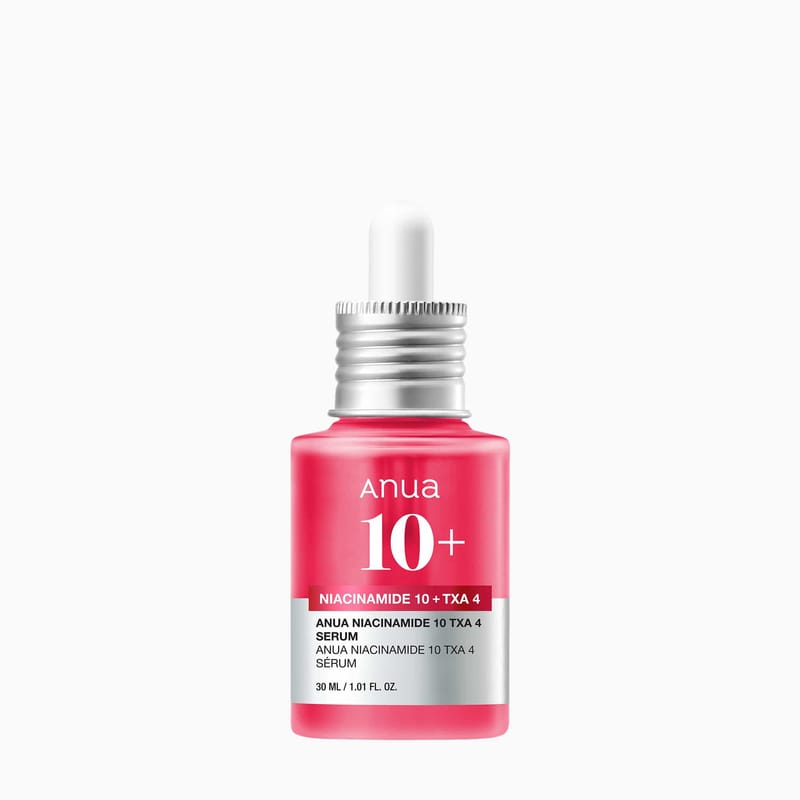
Anua · Serums
Niacinamide 10% + TXA 4% Dark Spot Correcting SerumMay suit: Dark marks after spots, sun spots and uneven-looking tone, used alongside daily SPF.
Less suited to: Very sensitive or easily flushed skin (10% niacinamide is a high strength), and melasma or any changing spot, which need a GP or dermatologist.

Beauty of Joseon · Serums
Glow Serum Propolis + NiacinamideMay suit: Glow, oil-balance support and uneven-looking tone
Less suited to: Anyone allergic to bee products or propolis; highly reactive skin; people sensitive to salicylates, tea tree-derived ingredients or niacinamide.

Beauty of Joseon · Sunscreens
Relief Sun RiceMay suit: Daily lightweight facial sun protection
Less suited to: Very oily skin that wants a dry matte finish; anyone sensitive to one of the listed UV filters, niacinamide or fermented extracts; users seeking a water-resistant sports sunscreen.
On this page · 15 sections
Short answer: The best Korean skincare for hyperpigmentation combines a daily high-protection sunscreen with a serum containing niacinamide or tranexamic acid. Anua Niacinamide 10% + TXA 4% Serum and Beauty of Joseon Glow Serum are popular picks. Expect results over 8–12 weeks, and see a GP for melasma or any spot that changes.
Which Korean skincare product is best for hyperpigmentation? There is no single miracle bottle, but Korean brands make some well-formulated, affordable options with proven ingredients. This guide explains the types of pigmentation, the ingredients with the best evidence, our K-beauty picks and when you need a doctor rather than a serum.
Key takeaways
-
Sun protection is the foundation; the British Association of Dermatologists advises SPF 30 or higher with high UVA protection, and notes iron oxide sunscreens add visible-light protection[1].
-
Niacinamide reduced facial hyperpigmentation compared with placebo in a controlled split-face study[2].
-
A meta-analysis of 11 studies with 667 people found tranexamic acid helped melasma, alone or added to other treatments[3].
-
Hydroquinone is prescription-only in the UK; avoid creams sold online that contain it[1,4].
Types of hyperpigmentation
| Type | What it looks like | Common causes |
|---|---|---|
| Sun spots (solar lentigines) | Flat brown spots on sun-exposed skin | Years of UV exposure |
| Post-inflammatory hyperpigmentation | Dark marks after spots, eczema or injury | Inflammation; more common in darker skin |
| Melasma | Patchy brown areas on cheeks, forehead, upper lip | Hormones, pregnancy, the pill, UV[1] |
Melasma is the hardest to treat and often returns when treatment stops[1]. If you think you have melasma, a GP or dermatologist can confirm it and discuss prescription options.
Ingredients that work for hyperpigmentation
| Ingredient | How it helps | Evidence |
|---|---|---|
| Sunscreen | Stops UV making pigmentation worse | Essential[1] |
| Niacinamide | Reduces pigment transfer to skin cells | Controlled trial[2] |
| Tranexamic acid (TXA) | Reduces pigment signalling | Meta-analysis in melasma[3] |
| Azelaic acid | Reduces pigment production and calms spots | Recommended option[1] |
| Vitamin C | Antioxidant, can brighten | Helpful option[1] |
| Retinoids | Speed up skin renewal | Can help; may irritate[1] |
Best Korean skincare for hyperpigmentation: our picks
| Product | Key actives | Best for |
|---|---|---|
| Anua Niacinamide 10% + TXA 4% Dark Spot Correcting Serum | Niacinamide, tranexamic acid, arbutin and alpha-arbutin, per Anua's ingredient list[5] | Dark marks and uneven tone |
| Beauty of Joseon Glow Serum: Propolis + Niacinamide | Niacinamide, propolis | Dull skin and mild marks; gentle option |
| Beauty of Joseon Relief Sun: Rice + Probiotics | SPF50+ PA++++ sunscreen | Daily protection, the essential step |
A 10% niacinamide serum is strong. If you have sensitive skin, start every other day, or choose a lower-strength product. For more on each ingredient, see our guides to niacinamide and tranexamic acid.
What the evidence says about Korean skincare for dark spots
The strongest evidence for over-the-counter ingredients is for sunscreen, niacinamide and tranexamic acid. In a split-face study, a 5% niacinamide moisturiser reduced hyperpigmentation compared with a vehicle cream[2]. A meta-analysis found tranexamic acid improved melasma severity scores and had mostly minor side effects, but noted there is no consensus on how best to use it[3]. Many of the studies were small, and few tested finished Korean products.
Popular K-beauty brightening ingredients such as rice extract, propolis and galactomyces have early or limited evidence for pigmentation. They may help skin look brighter, but they are not proven pigment treatments on their own.
Pharmacist's tip from Khalid Anwar: Most people who tell me a brightening serum "did nothing" were not wearing sunscreen every day. A few minutes of unprotected sun can undo weeks of progress. Before buying a second serum, buy a sunscreen you will reapply, ideally a tinted one with iron oxides if you have melasma.
How to build a Korean skincare routine for hyperpigmentation
-
Morning: gentle cleanser, niacinamide or TXA serum, moisturiser, then sunscreen of at least SPF 30 with high UVA protection[1].
-
Evening: cleanse, then the same serum or an azelaic acid product, then moisturiser.
-
Once settled: you can add a retinoid at night, but not in pregnancy[1].
-
Reapply sunscreen when outdoors for long periods[6].
-
Give it 8–12 weeks before judging results.
-
Take photos in the same light each month to track change.
When to see a GP or pharmacist
-
A dark spot that is new, changing, itching, bleeding or has an irregular edge: see a GP promptly.
-
Patchy pigmentation on both cheeks that may be melasma: a GP can confirm it and discuss prescription creams such as hydroquinone or combination creams[1].
-
Dark marks from acne: treating the acne itself prevents new marks; ask a pharmacist about treatment.
-
Pregnancy: avoid hydroquinone and retinoids[1]; ask your midwife or pharmacist about safe options.
Who should take care
-
Sensitive skin: high-strength niacinamide can cause flushing or stinging. Patch test first.
-
Bee product allergy: Beauty of Joseon Glow Serum contains propolis.
-
Online "whitening" creams: never use creams with no ingredient list or that list hydroquinone or mercury[4].
Hyperpigmentation in darker skin tones
Dark marks after spots or eczema are more common and last longer in darker skin. Irritation itself can cause new marks. So gentle products matter more than strong ones. Start a 10% niacinamide serum slowly, avoid harsh scrubs and peels, and treat the underlying acne or eczema. Azelaic acid and vitamin C are useful options. Azelaic acid helps because it helps both spots and marks[1]. If marks are not fading after three months, ask a pharmacist or GP.
Korean brightening ingredients explained
| Ingredient | What brands claim | What we know |
|---|---|---|
| Rice extract | Brighter, more even skin | Early evidence only |
| Galactomyces ferment | Radiance | Limited evidence |
| Propolis | Glow and soothing | Limited; can cause allergy |
| Arbutin | Fades dark spots | Some evidence; works like a gentle tyrosinase blocker |
| Licorice root extract | Brightening | Small studies only |
Mistakes that make dark spots worse
-
Skipping sunscreen on cloudy days or indoors near windows.
-
Picking spots, which deepens marks.
-
Using several strong actives at once, which irritates skin.
-
Stopping treatment as soon as spots fade; melasma often returns[1].
-
Buying cheap "whitening" creams online with no ingredient list[4].
How long until dark spots fade?
Patience is part of the treatment. Skin cells turn over gradually, so pigment fades slowly:
-
Post-inflammatory marks often improve over three to six months, sometimes longer in darker skin.
-
Sun spots fade slowly with daily sunscreen and actives, and may need clinic treatment to clear fully.
-
Melasma can improve but often returns, especially after sun exposure or during pregnancy[1].
If you see no change after three months of consistent use and daily sunscreen, ask a pharmacist or GP whether a prescription option would help.
The bottom line
The best Korean skincare for hyperpigmentation pairs a daily sunscreen with a niacinamide or tranexamic acid serum, such as Anua's Niacinamide 10% + TXA 4% Serum. Be patient for at least 8–12 weeks, protect your skin from the sun every day and see a GP for melasma or any changing spot.
FAQs
What is the best Korean product for dark spots?
A niacinamide and tranexamic acid serum, such as Anua Niacinamide 10% + TXA 4% Serum, used with a daily sunscreen.
Does Korean skincare help melasma?
It can help alongside strict sun protection, but melasma often needs prescription treatment and tends to return[1].
How long do Korean brightening serums take to work?
Usually 8–12 weeks of daily use, with daily sunscreen.
Can I use niacinamide and tranexamic acid together?
Yes. They are often combined in one product.
Is hydroquinone used in Korean skincare?
Not in legally sold UK cosmetics. Hydroquinone is prescription-only in the UK, and creams sold online with it may be illegal[1,4].
Related reading
References
-
British Association of Dermatologists. Melasma: patient information leaflet. June 2024.
-
Anua. Niacinamide 10 TXA 4 Serum: product page and full ingredient list. Accessed October 2026.
This article is for general information only and is not a substitute for personalised advice from a pharmacist, GP or other qualified healthcare professional. If you have a reaction or a medical concern, seek professional advice.
Get new PDRN research by email
One email a week with new guides and evidence updates. No spam; unsubscribe anytime.
Something not right? Request a correction. Read our editorial policy and review methodology.