Every product listed has a recorded brand, type and core attributes. Prices, ratings and stock are shown only when we hold verified data — never placeholders.
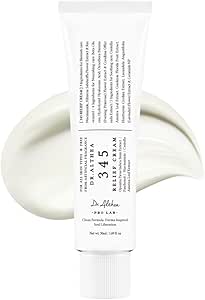
A lightweight gel cream combining niacinamide, panthenol, centella-derived ingredients, ceramide NP and sodium DNA. It offers comfortable daily moisture but is not a medical treatment for acne, eczema or post-acne scarring.
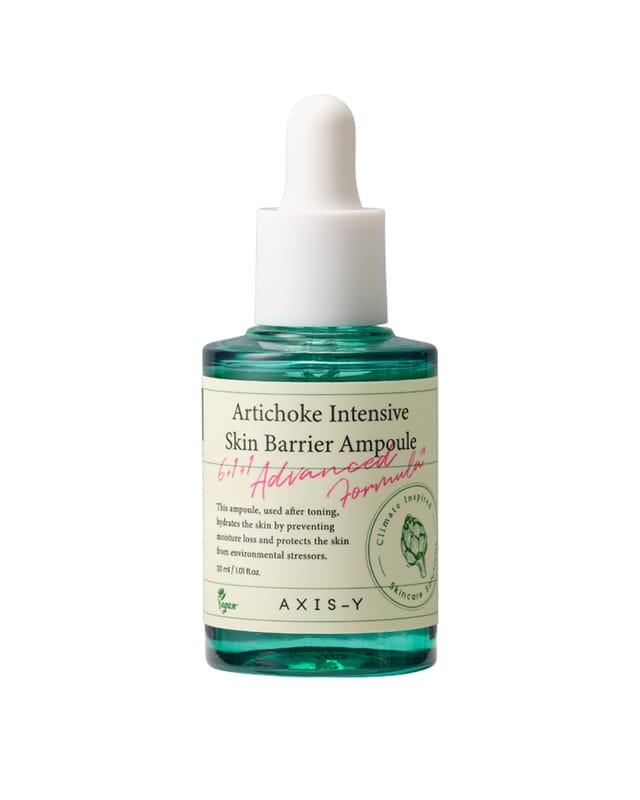
An optional ampoule for a hydration-focused routine. Aloe leaf water, sodium hyaluronate and betaine give more context for the formula than its artichoke name alone.
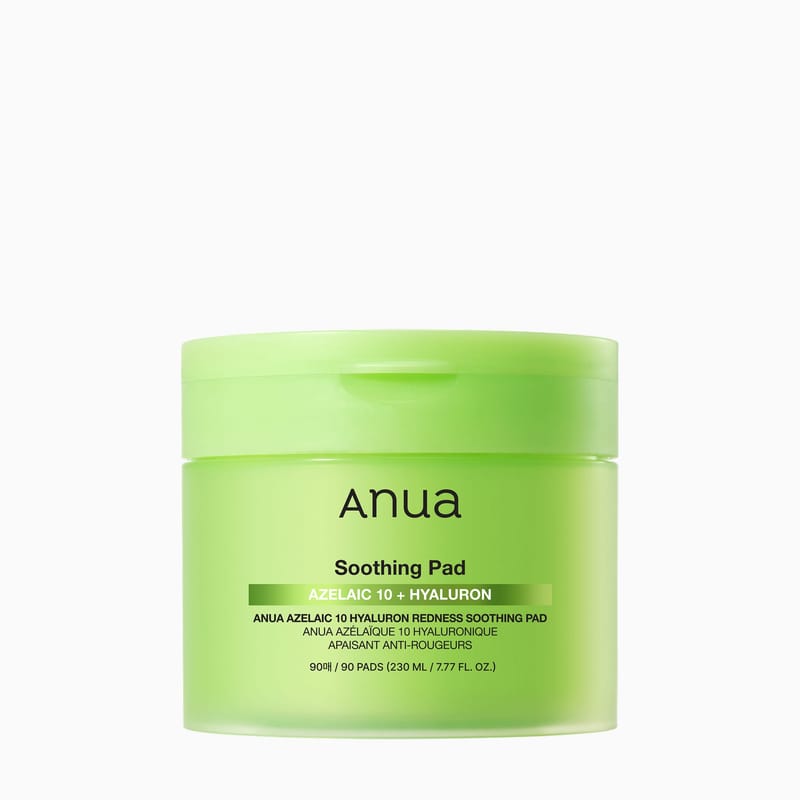
A 230 mL jar of 90 toner pads with glycerin, panthenol, azelaic acid and several hyaluronic acid ingredients in the listed solution. It belongs at the toner step and is distinct from Anua’s similarly named serum.
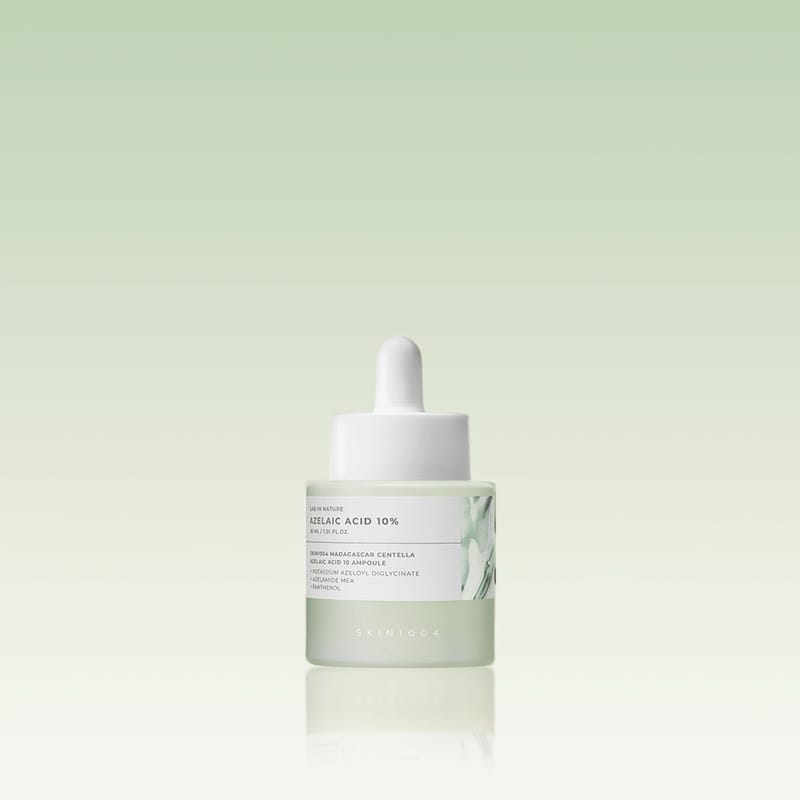
A 30 mL cosmetic ampoule with azelaic acid, two other azelaic-derived ingredients and panthenol on the maker’s list. Compare the exact formula with any active serum you already use.
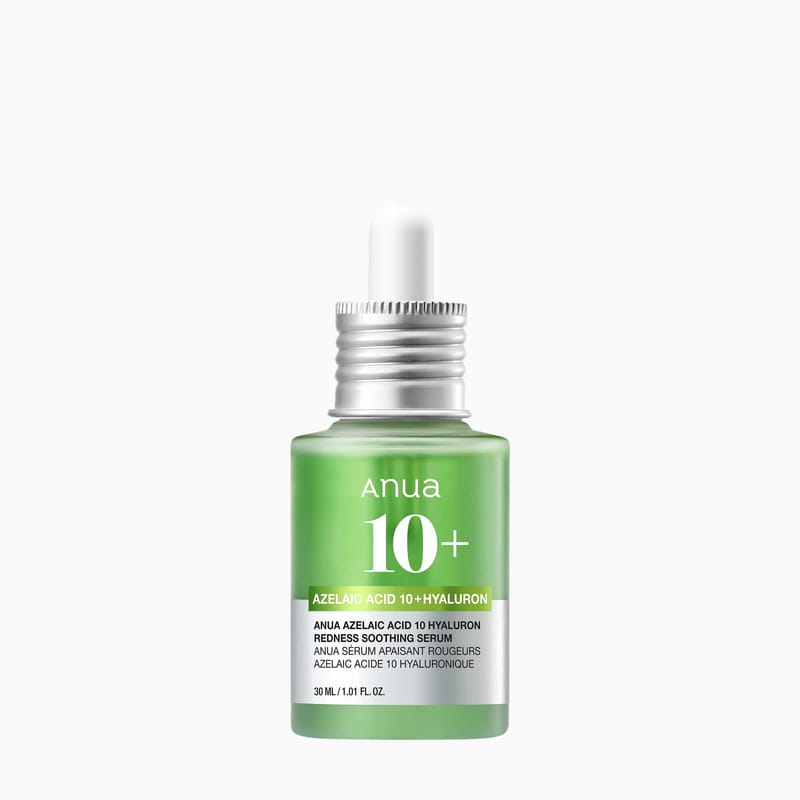
A 30 mL cosmetic serum with 10% azelaic acid according to Anua, plus panthenol and sodium hyaluronate on the maker’s list. It is an active serum step, so compare it with the other actives already in your routine and follow the pack directions.
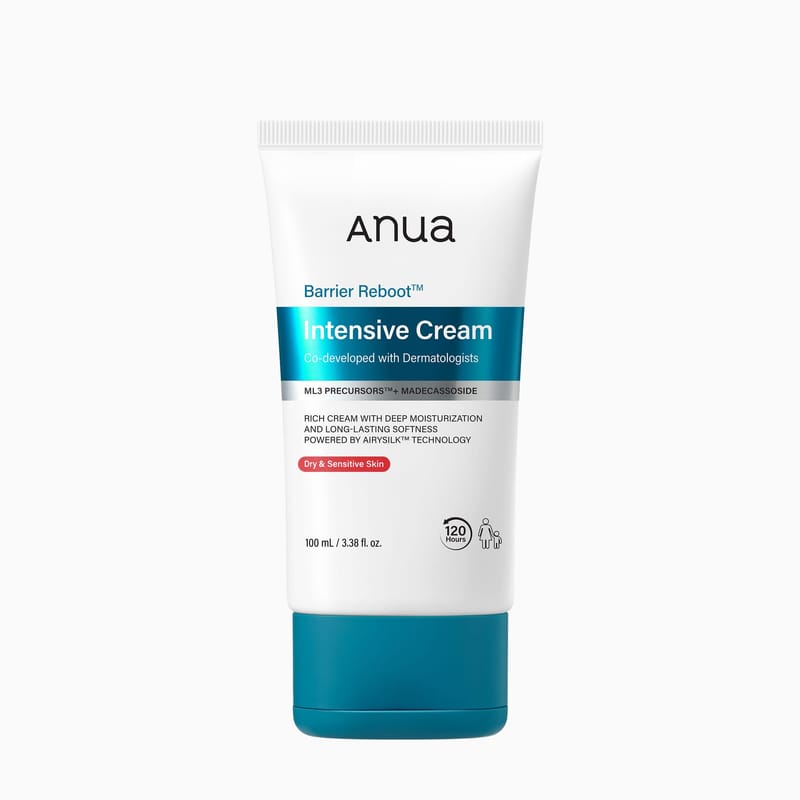
Anua’s richer Barrier Reboot facial moisturiser. The 100 mL cream lists hydrogenated polydecene, glycerin and squalane, alongside panthenol, cholesterol and ceramide NP.
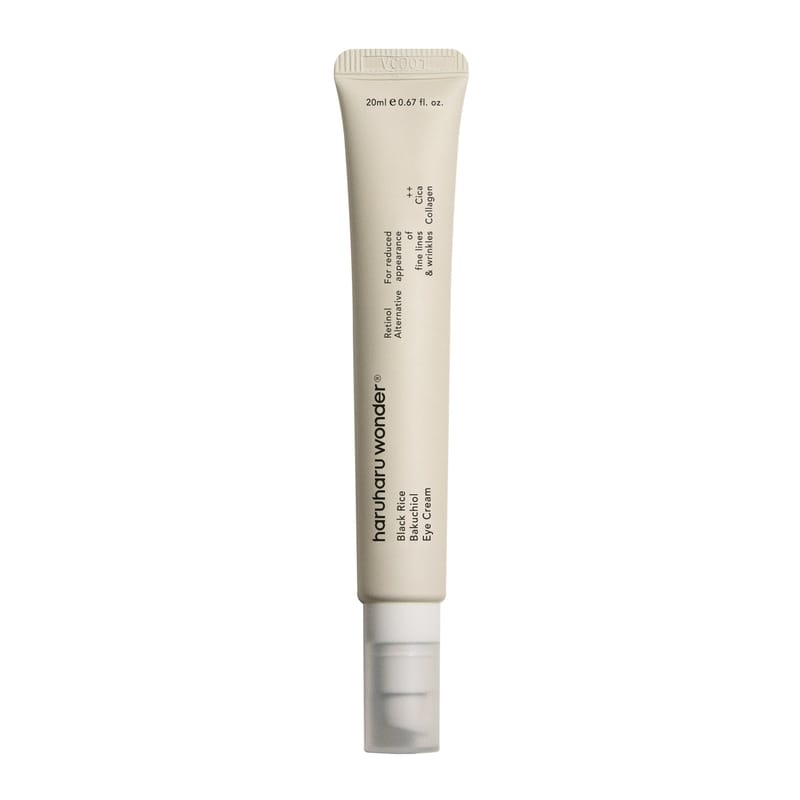
A 20 mL eye cream whose maker lists bakuchiol, niacinamide, glycerin and sunflower seed oil. The declaration identifies the formula without establishing how well it performs on fine lines.
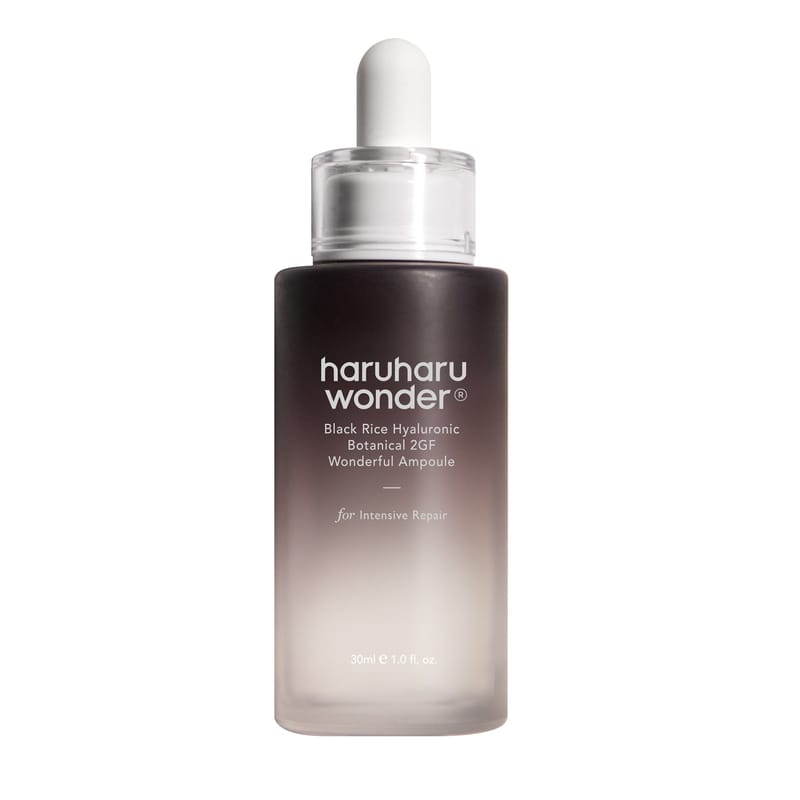
A 30 mL ampoule with pentylene glycol, propanediol and glycerin high on the list. The maker declares Rice sh-Oligopeptide-1 and Rice sh-Polypeptide-1. An ingredient name alone cannot establish an effect on skin firmness.
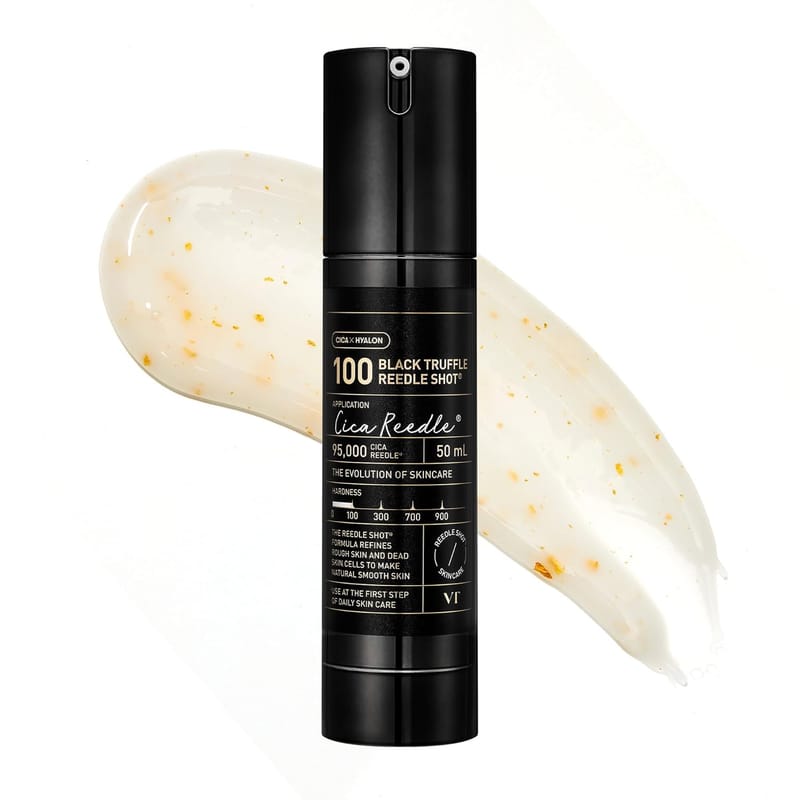
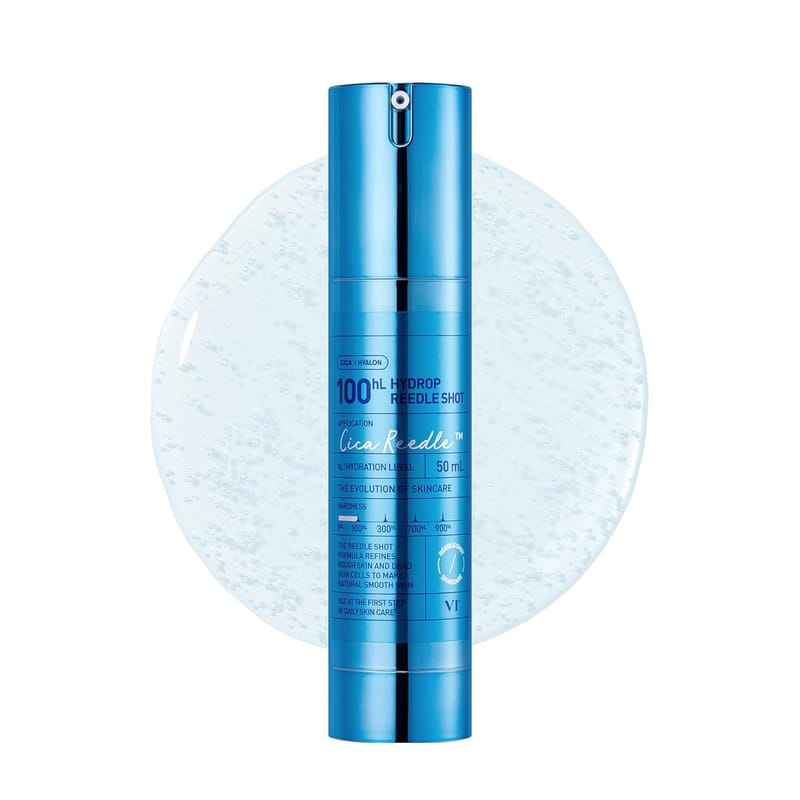
A 50 mL leave-on spicule booster. VT's list includes silica, niacinamide and extracts of black and white truffles. The formula supports identifying this variant, while the ingredient list alone cannot establish a visible benefit from the truffle extracts.
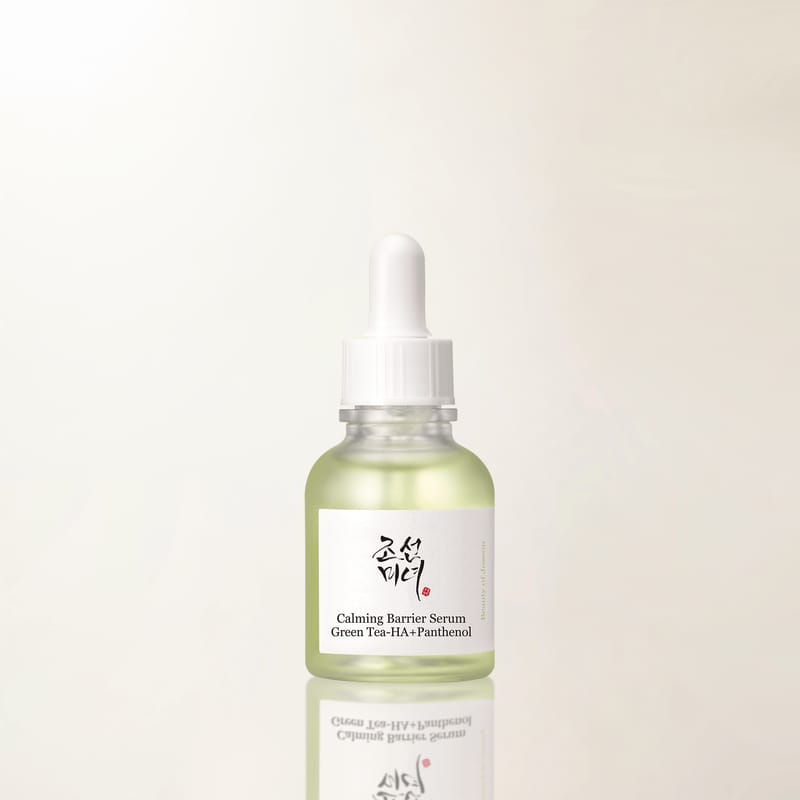
A 30 mL serum with green tea leaf water, panthenol and ceramide NP. Check for the Green Tea-HA label if you are comparing it with the earlier Calming Serum.
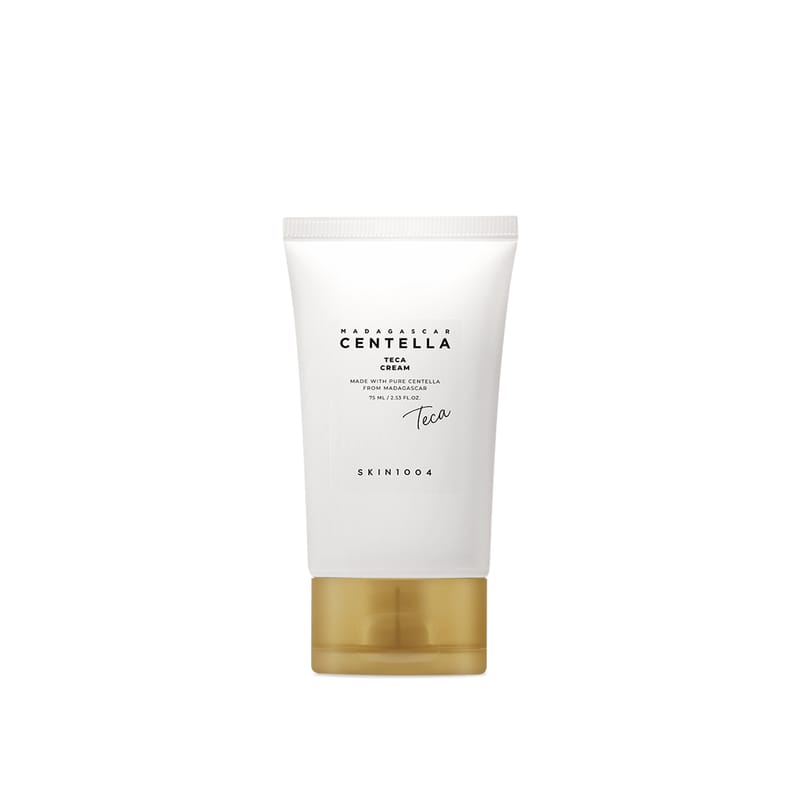
A 75 mL moisturising cream with glycerin, shea butter, several oils and squalane. The maker lists lavender and orange oils as well as centella, so check the ingredient panel if you avoid fragranced formulas.
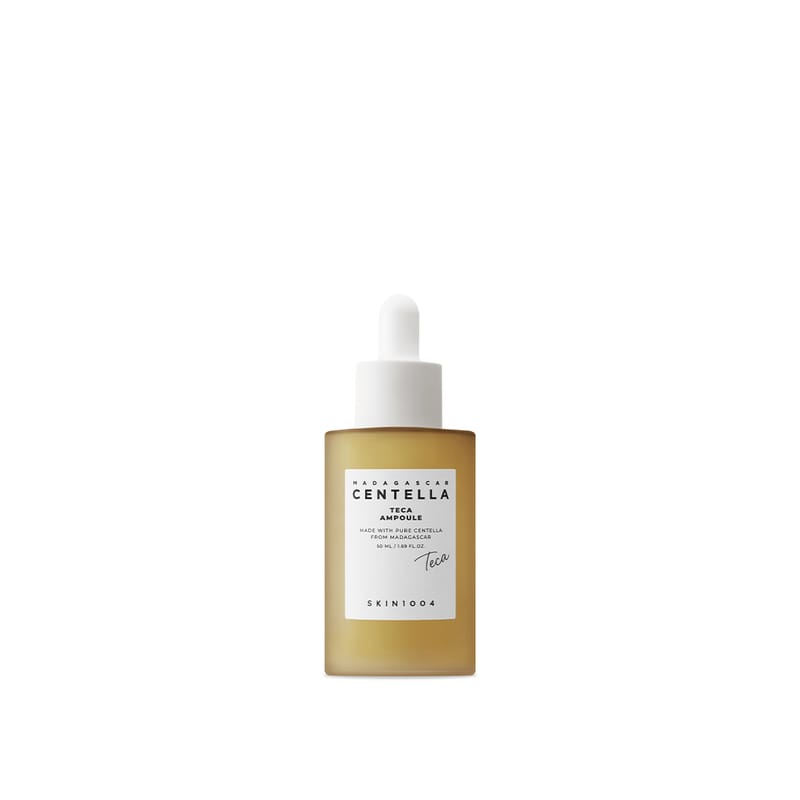
An optional ampoule step with a centella complex, polyglutamic acid and peptides alongside Sodium DNA. Compare the whole formula with any hydrating serum you already use. The brand listing supplies the ingredient evidence.
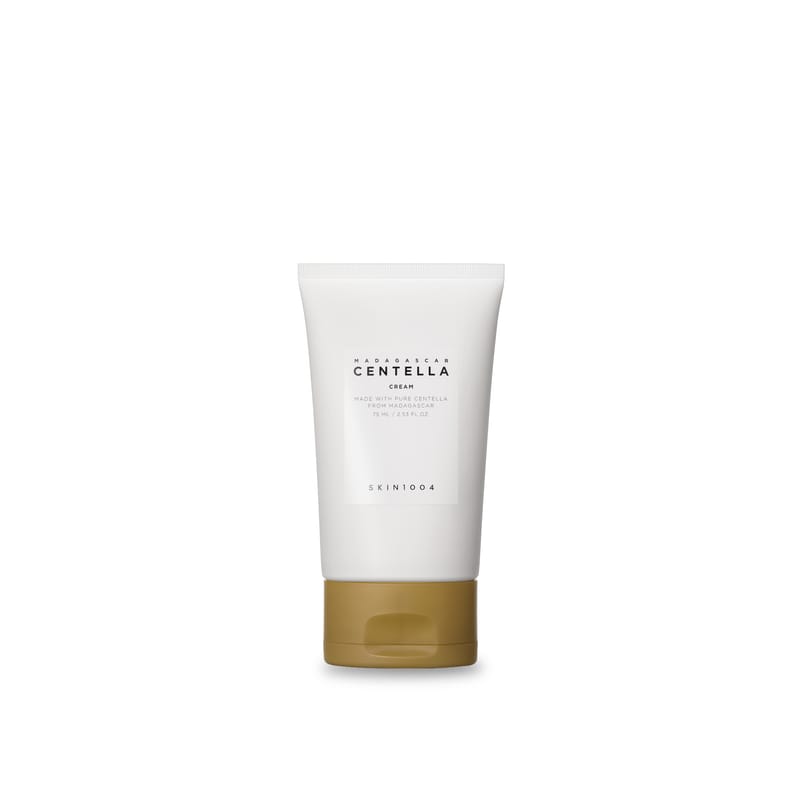
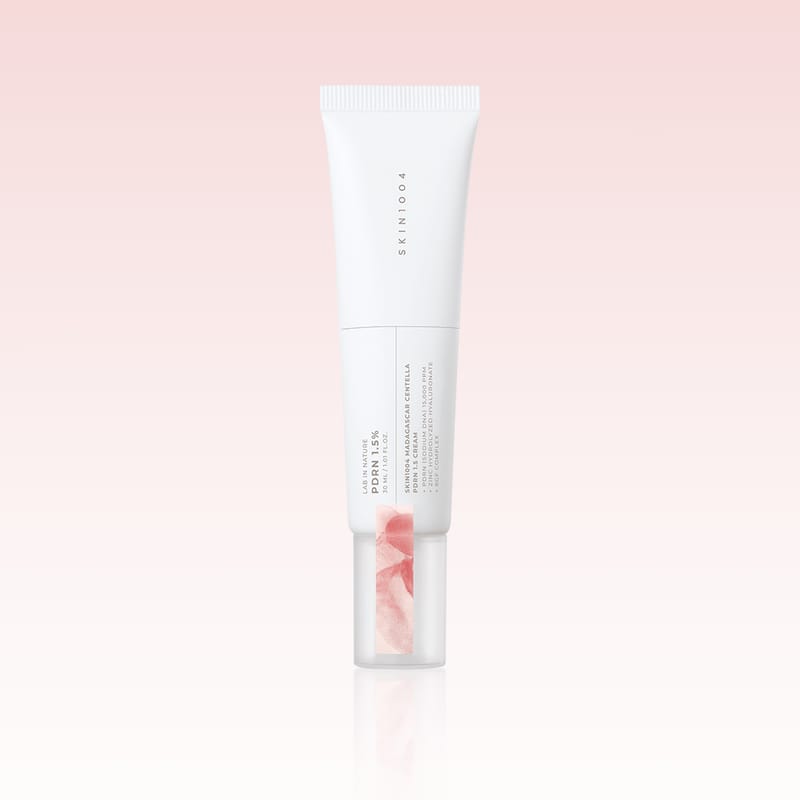
A 75 mL moisturising cream with centella extract, glycerin and niacinamide near the start of the maker’s list. SKIN1004 identifies the listed Sodium DNA as plant-derived PDRN. The formula also contains denatured alcohol and kojic acid.
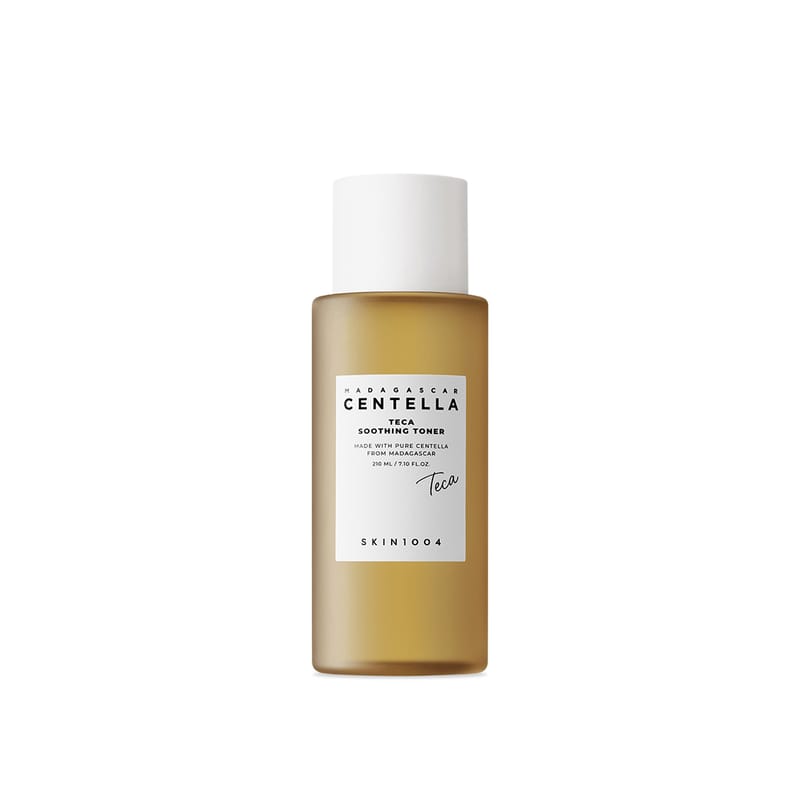
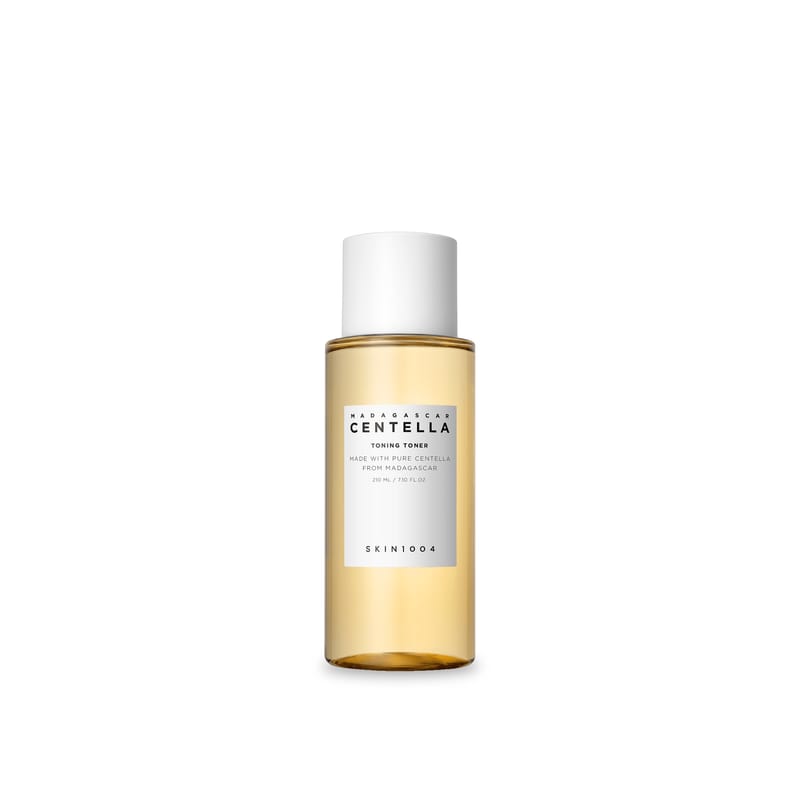
A 210 mL centella and glycerin toner. SKIN1004 identifies the Sodium DNA in the formula as plant-derived PDRN. The maker’s list also includes niacinamide, panthenol and a salicylic acid derivative.
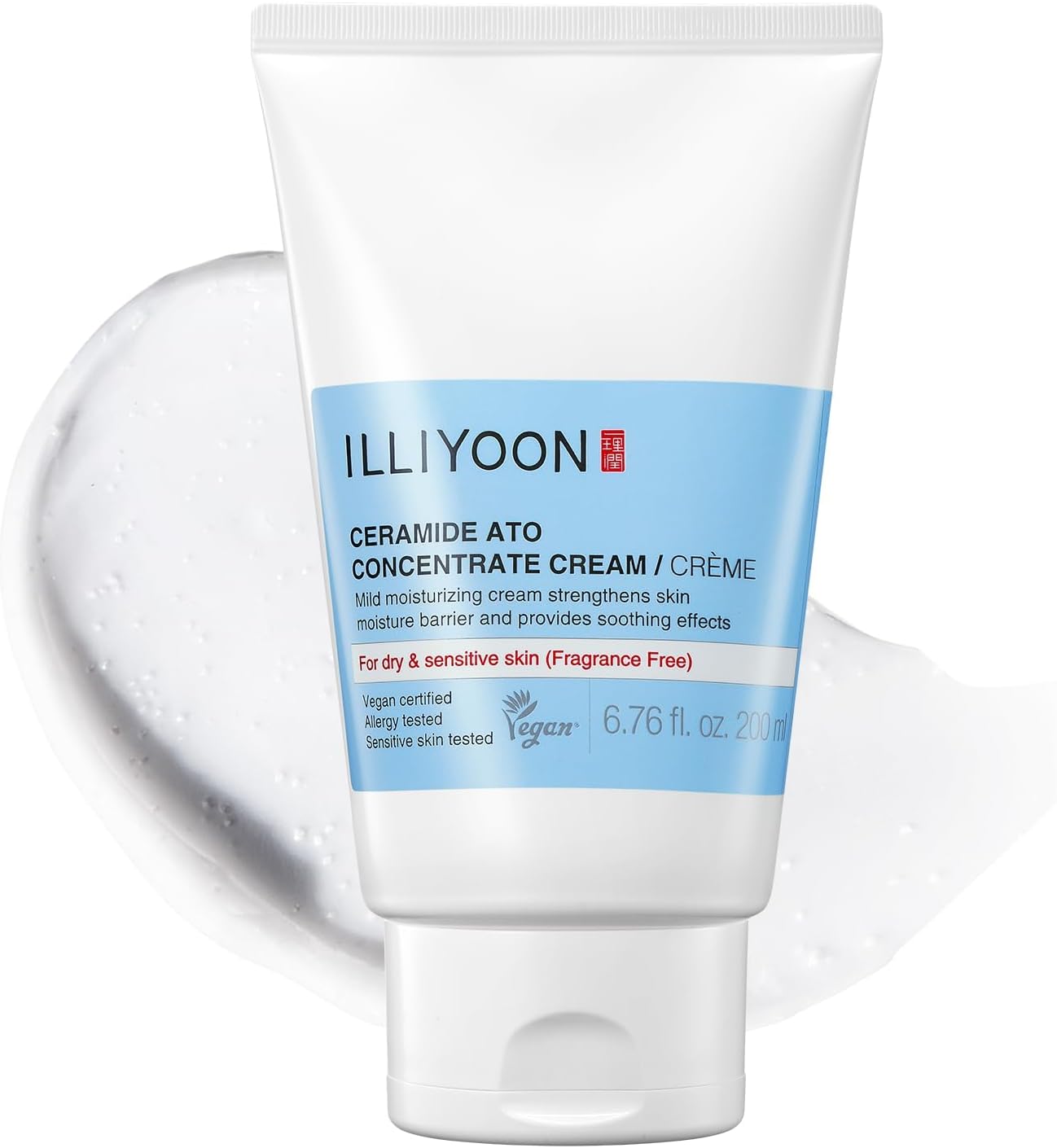
A fragrance-free rich cream for dry areas. Its listed pseudo-ceramide level (7,622 ppm, about 0.76%) is far higher than the matching lotion's, alongside cholesterol and fatty acids. It suits very dry patches, though we found no published trial of this exact cream.
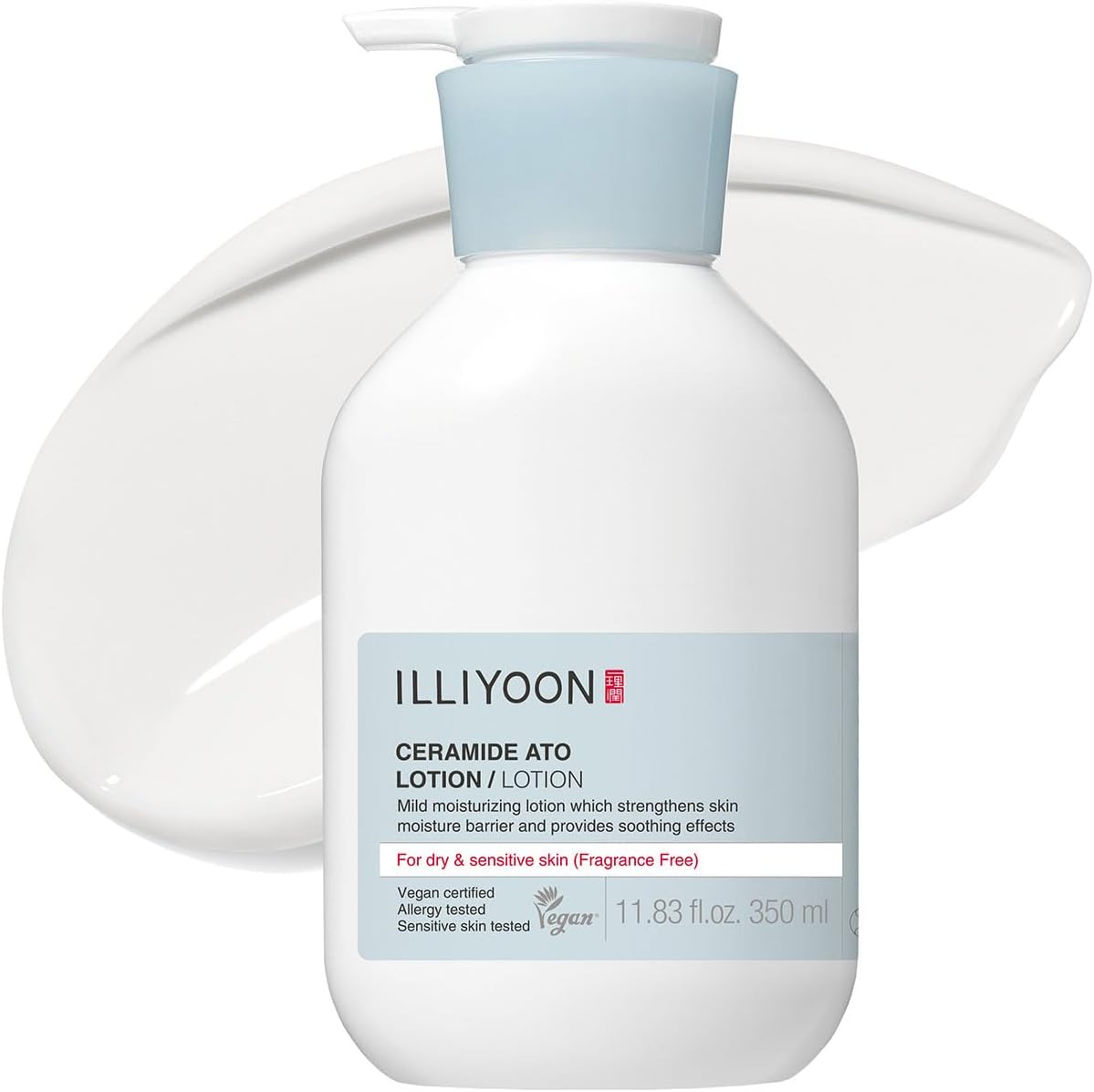
A fragrance-free daily lotion that relies mainly on glycerin and emollients, with cholesterol, fatty acids and small listed amounts of ceramides in support. It is a practical everyday option for whole-body use. We found no published evidence that it outperforms ordinary fragrance-free UK emollients.
A 50 mL leave-on spicule booster with silica, niacinamide and a macadamia seed oil base component. VT lists milk protein extract, collagen water and collagen extract. The formula does not establish an improvement in firmness.
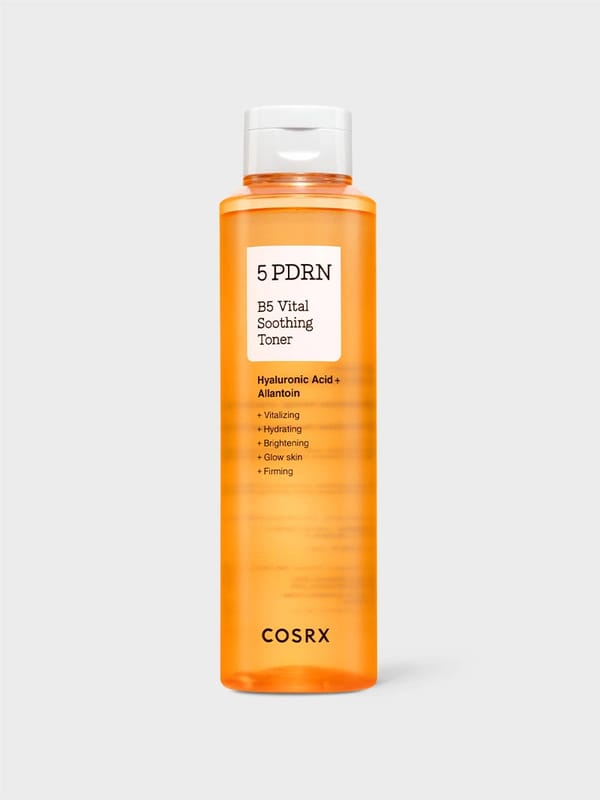
A 280 mL hydrating toner with niacinamide, panthenol and several forms of hyaluronic acid. The manufacturer lists Sodium DNA and Hydrolyzed DNA. This formula review does not establish how much they contribute to the finished toner’s effects.
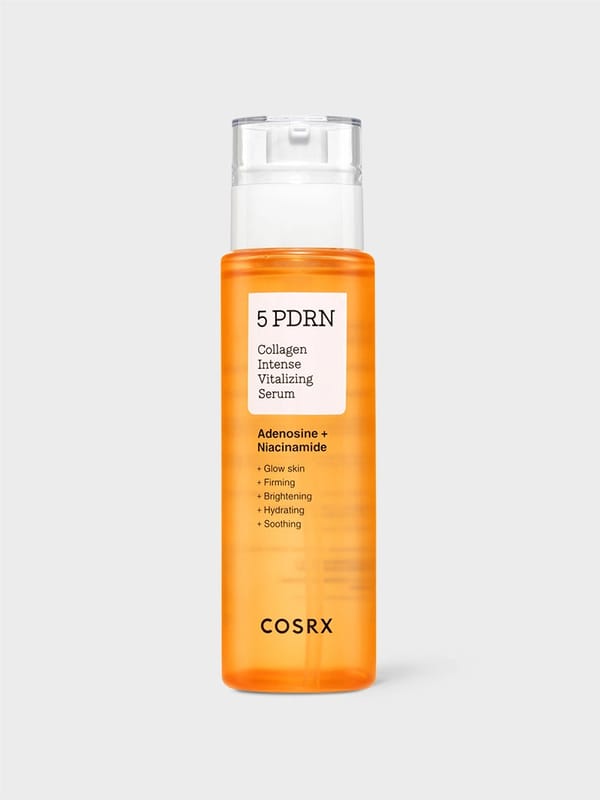
A 100 mL facial serum built around humectants, niacinamide and panthenol, with Sodium DNA and hydrolysed collagen on the maker’s ingredient list. It fits the serum step of a routine. The listed formula does not establish how the finished serum compares with other PDRN products.
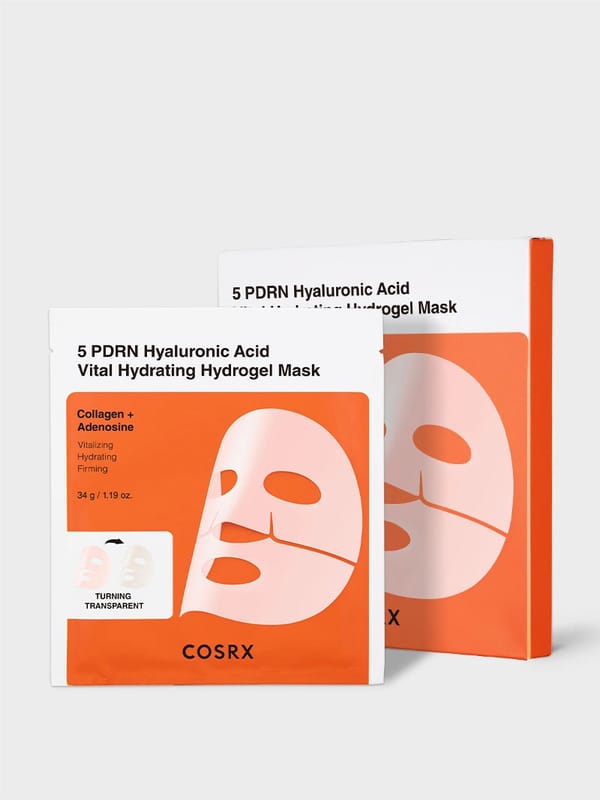
A 34 g hydrogel sheet with glycerin, niacinamide and gel-forming ingredients. COSRX lists Sodium DNA and Hydrolyzed DNA. The ingredient declaration confirms they are present and gives no finished-mask comparison with the matching serum or toner.
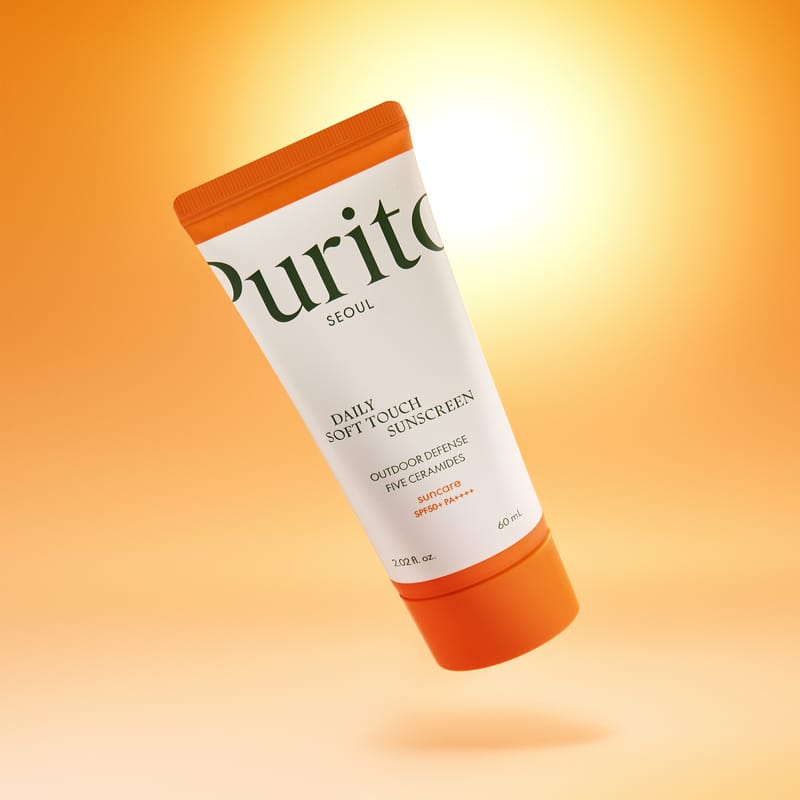
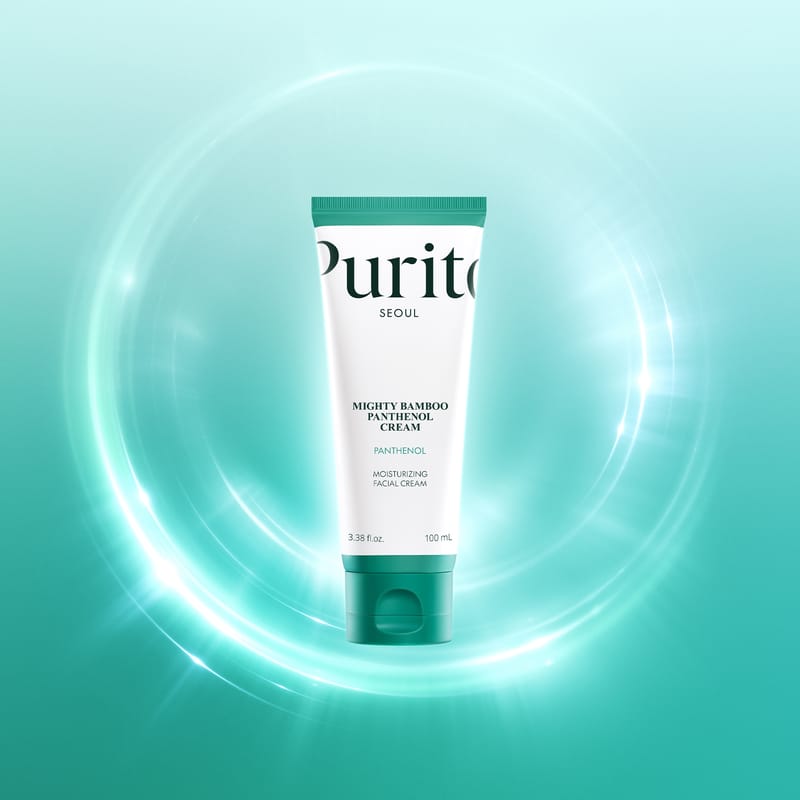
A 60 mL sunscreen that Purito labels SPF50+ PA++++. Its ingredient list contains four UV filters and also lists panthenol, centella extract, cholesterol and ceramides.
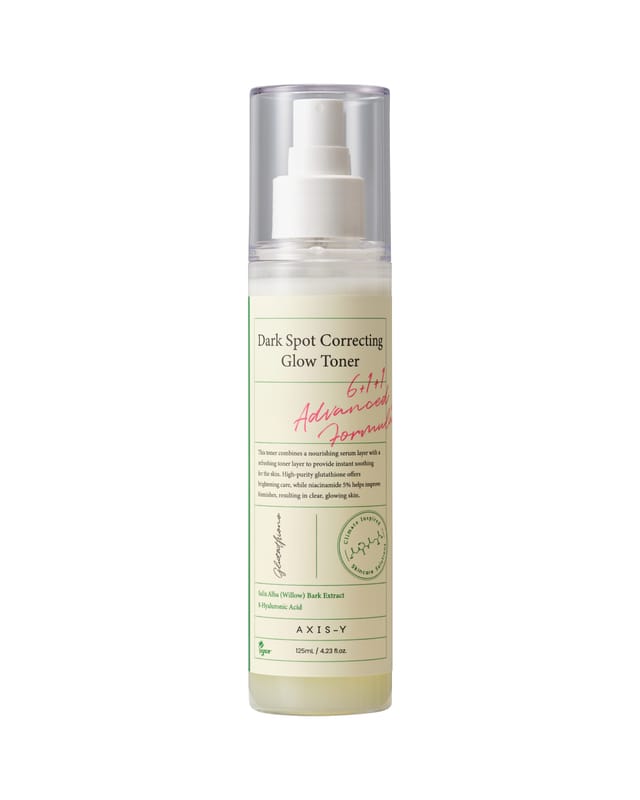
A 125 mL leave-on toner mist with niacinamide, glycols and several emollients on the maker’s list. The declaration also includes a vitamin C derivative and hyaluronic acid forms.
A lightweight humectant serum combining several forms of hyaluronic acid with panthenol, allantoin and barrier-supporting ingredients. It works best when sealed with moisturiser rather than used as the only hydration step.
A cushiony propolis and niacinamide serum that also contains betaine salicylate. It is a useful glow and oil-balance option for tolerant combination or oily skin, but it is not a substitute for acne treatment.
A watery, fragrance-free heartleaf toner designed to add light hydration after cleansing. It layers easily and is more suitable as a comfort and hydration step than as a treatment for a medical skin condition.
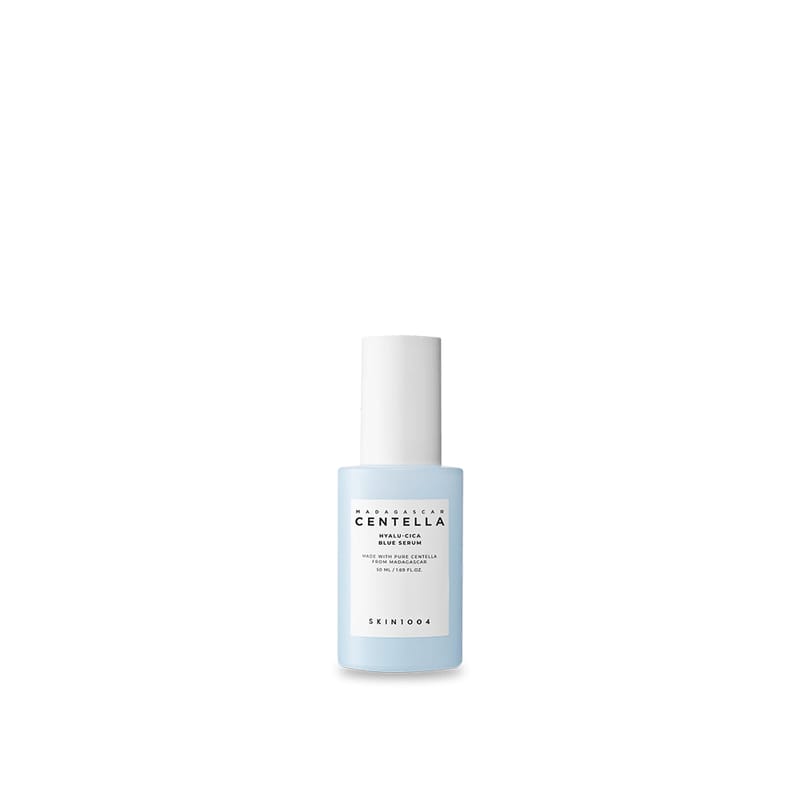
A 50 mL facial gel serum with centella leaf water, niacinamide, glycerin and several forms of hyaluronic acid in the maker’s list. It belongs at the serum step.
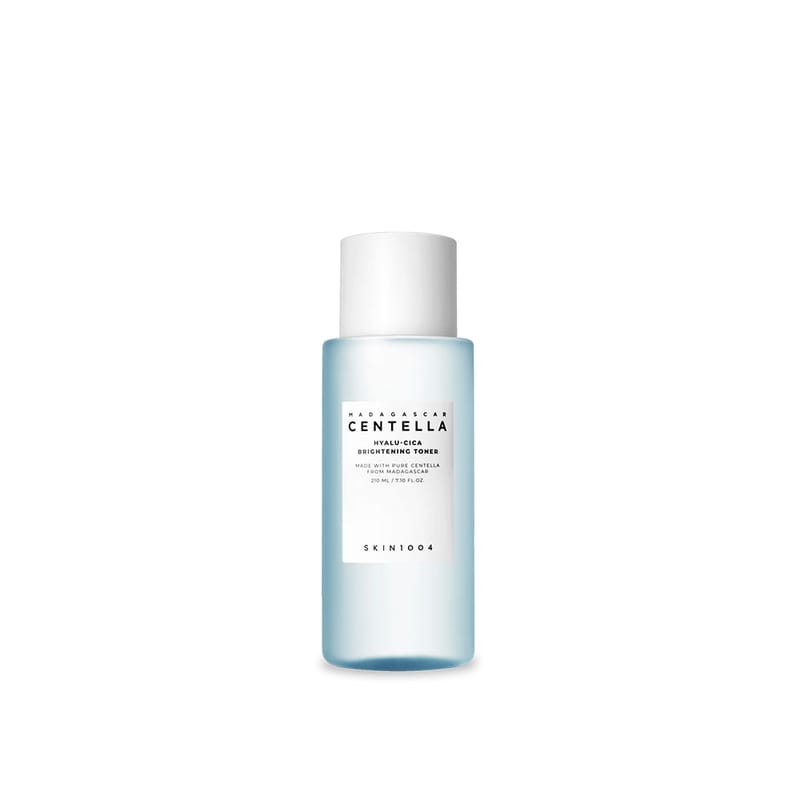
A 210 mL face toner with centella leaf water, glycerin and niacinamide in the maker’s list. The declared formula also contains citric acid and capryloyl salicylic acid.
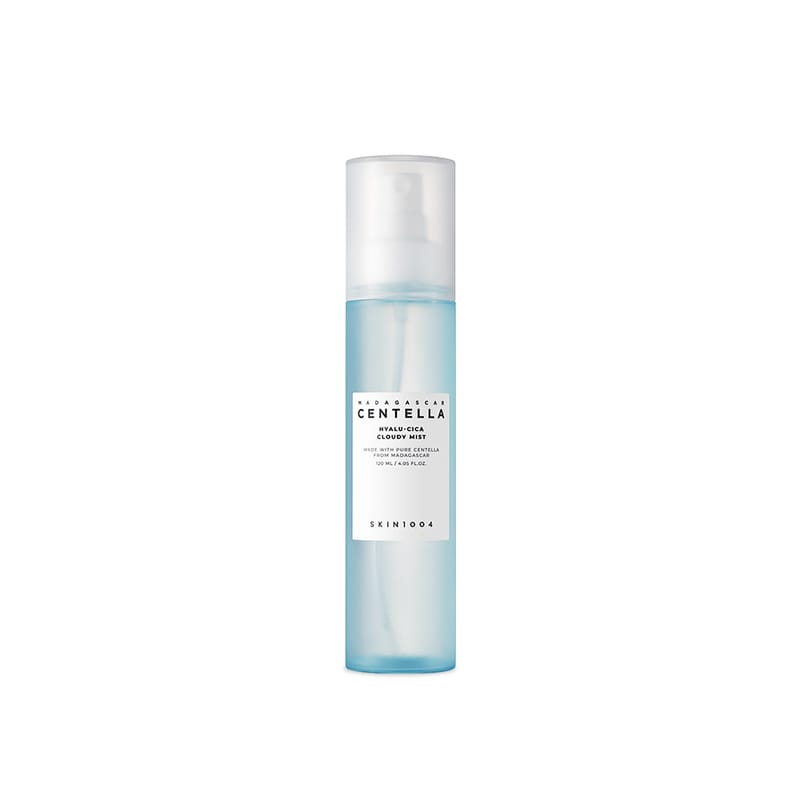
A 120 mL facial mist with green tea leaf water, centella extract, xylitol and hyaluronic acid ingredients on the maker’s list. The spray is the distinguishing feature within the range.
A 50 mL leave-on spicule booster built around a humectant-rich formula. Glycerin and butylene glycol appear near the start, with panthenol, ectoin and hyaluronic acid derivatives elsewhere in the list. It still contains silica.
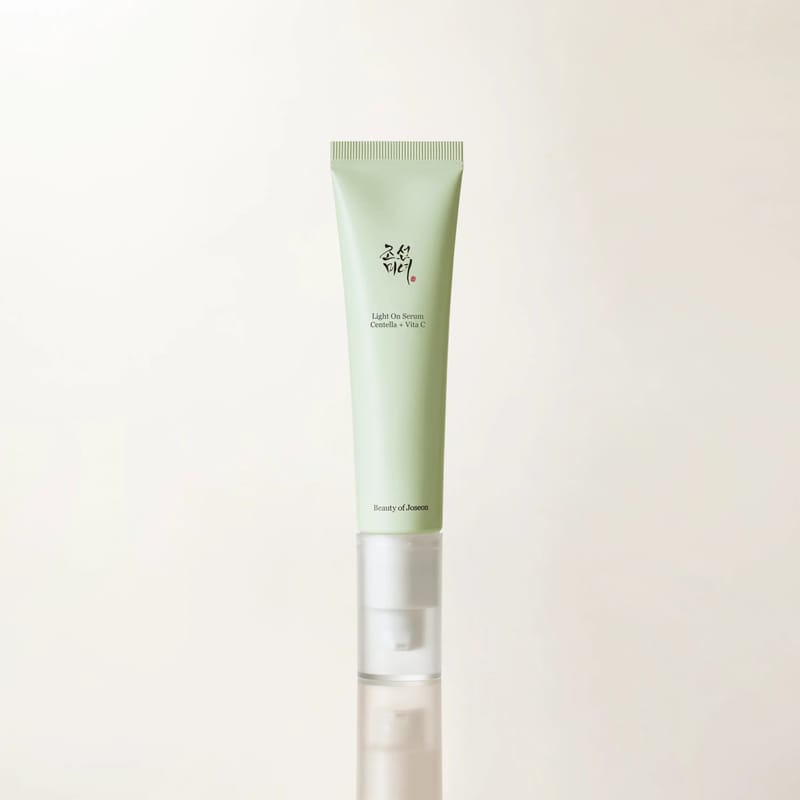
A 30 mL serum with 3-O-ethyl ascorbic acid, a vitamin C derivative, and centella extract. Check which form of vitamin C you want before comparing formulas.
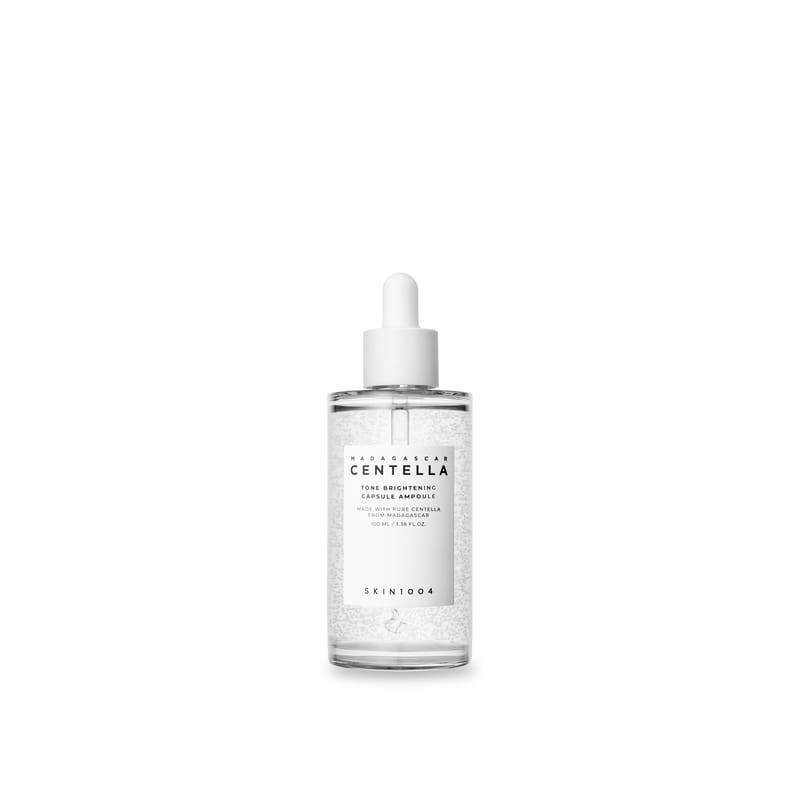
A very light centella-focused ampoule for simple hydration and a calmer-looking complexion. It is easy to layer but may be too minimal for users who need richer barrier lipids or an occlusive moisturiser.
A serum-like SPF50+ PA++++ sunscreen with centella, hyaluronic-acid forms and modern UV filters. It suits normal, combination, dry and sensitive-feeling skin that prefers a glowy finish.
A 100 mL ampoule with niacinamide, tranexamic acid and a vitamin C derivative on the maker’s list. Its formula differs from SKIN1004’s plain centella ampoule and adds a separate leave-on active step.
The 210 mL version of SKIN1004’s Centella Toning Toner. The maker lists centella extract, niacinamide, gluconolactone and betaine. It is the PHA toner in the Centella range.
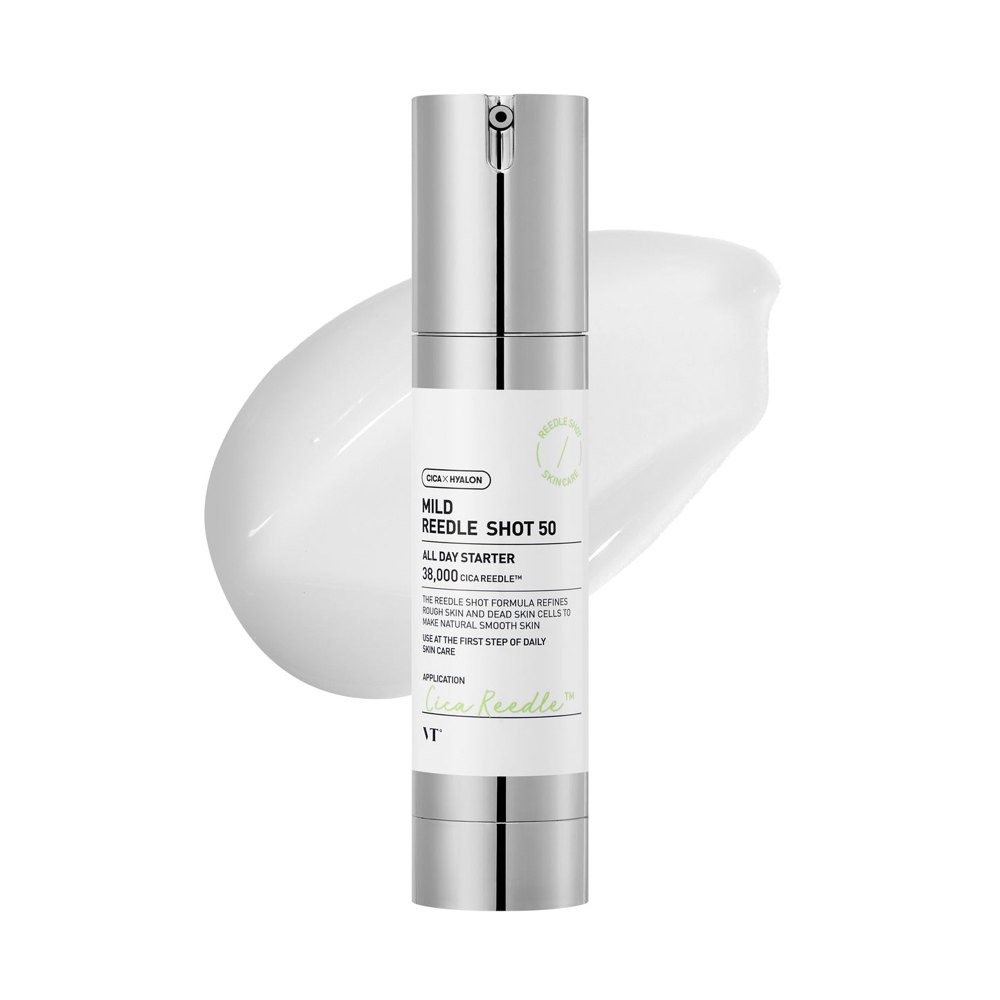
The mildest strength in VT's range, and the most sensible first step if you want to try spicules at all. The formula adds aloe and astaxanthin to the niacinamide, hyaluronic acid and centella base. As with the rest of the range, independent evidence for visible results is limited.
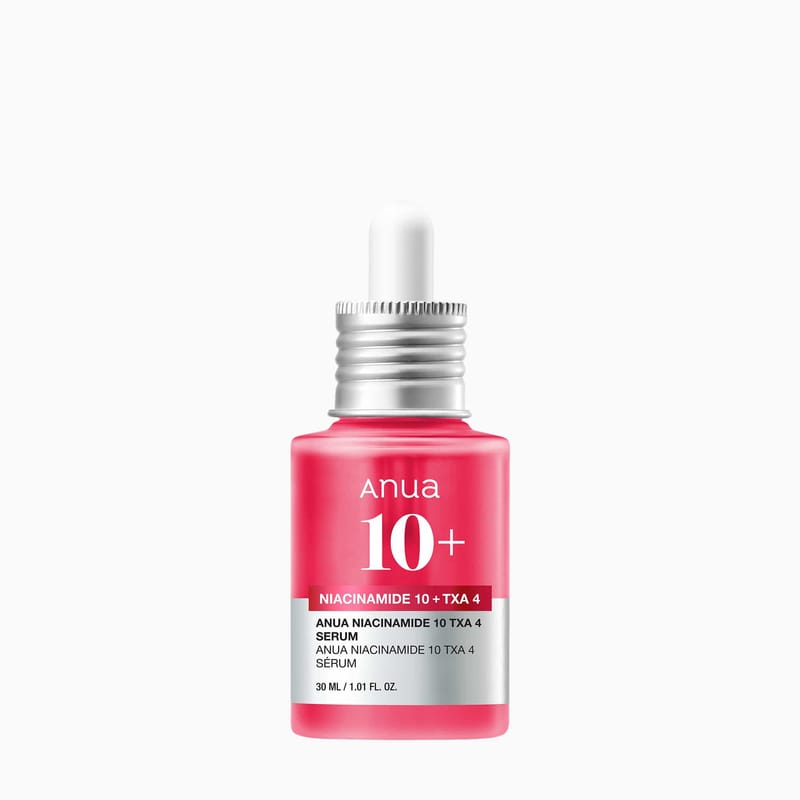
A brightening serum built around niacinamide and tranexamic acid, with arbutin and alpha-arbutin also listed, plus hyaluronic acid, panthenol and ceramide NP for comfort. These ingredients are among the better-studied cosmetic options for the appearance of dark marks and uneven tone, but results depend on daily sunscreen and take weeks of consistent use.
A 30 mL moisturiser with squalane, panthenol and ceramide NP alongside Sodium DNA. Compare it as a whole cream for the moisturiser step. The formula list alone does not show how much PDRN contributes to its performance.
A milky plant-PDRN ampoule with a rich emollient base, centella-derived ingredients, ceramides, panthenol and peptides. It suits dry or dull-feeling skin seeking a moisturising glow, but may feel heavy on very oily skin.
A lightweight salmon-derived PDRN moisturiser with squalane, collagen, niacinamide and multiple forms of hyaluronic acid. It is designed to sit smoothly under makeup while leaving a natural glow.
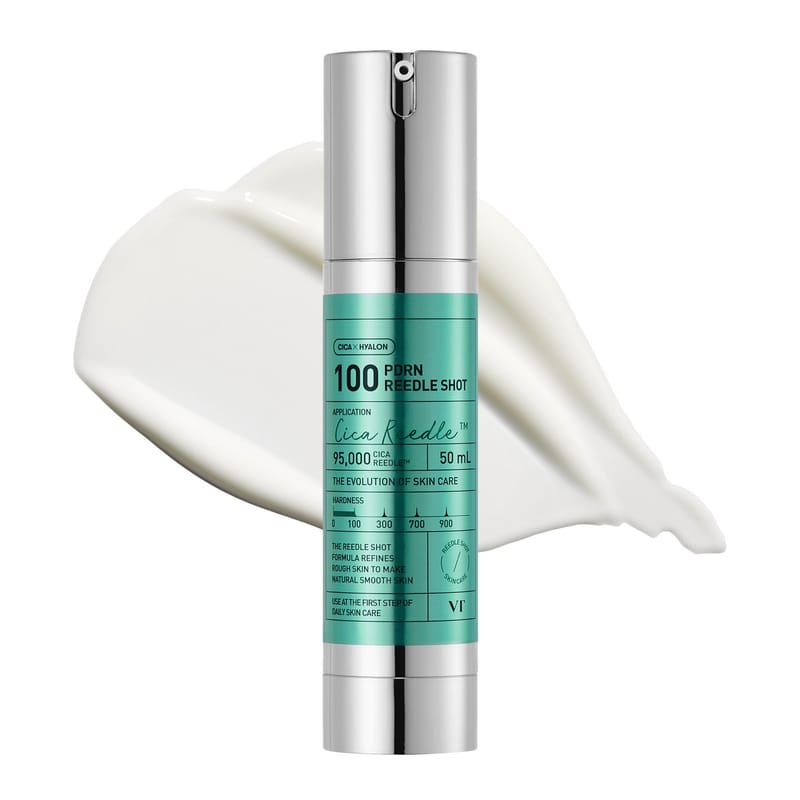
A 50 mL leave-on spicule booster with silica and a blend of hyaluronic acid forms. VT describes its PDRN as plant-derived from wild ginseng and lists Sodium DNA at 0.05 ppm. That declaration cannot establish how much the ingredient contributes to the finished formula's effects.
A milky salmon-PDRN toner with niacinamide, emollient oils, panthenol, ceramides and peptides. It gives more moisturising slip than a watery toner and may suit dry or dehydrated-feeling skin best.
A watery plant-PDRN toner with glycerin, niacinamide, betaine, panthenol, centella and ceramide NP. It offers a straightforward hydrating first layer without the richness of the VT PDRN essence.
A 50 mL leave-on spicule booster with silica, niacinamide, centella ingredients and tea tree leaf extract. VT's global declaration includes an entry labelled DNA. Its source and fragment type are unspecified.
A 50 mL leave-on spicule booster. The global declaration lists silica, niacinamide, panthenol and moringa seed oil. Compare its formula with the original Reedle Shot 100 to see which supporting ingredients differ.
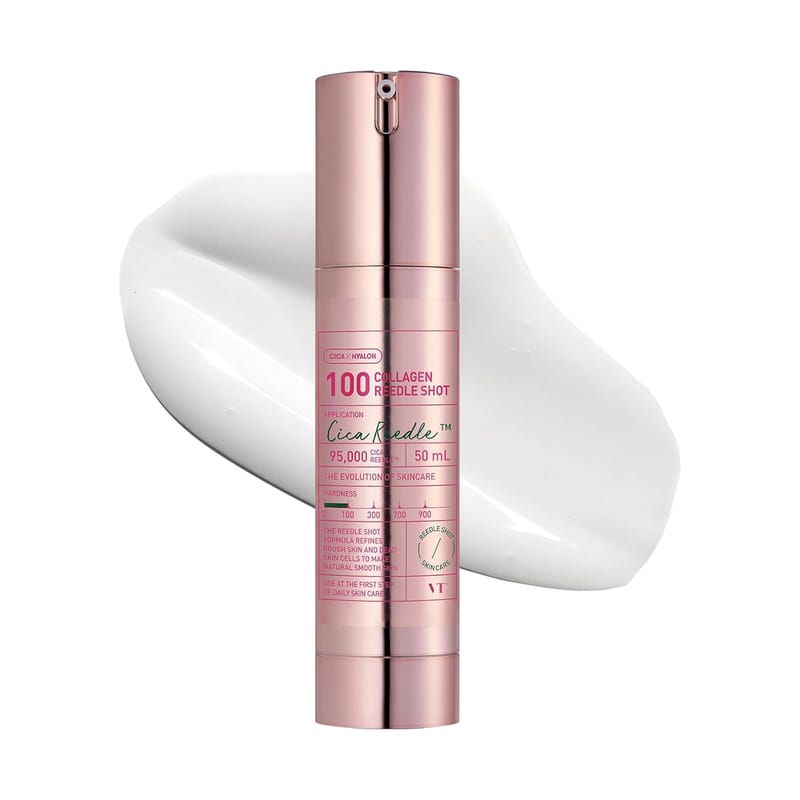
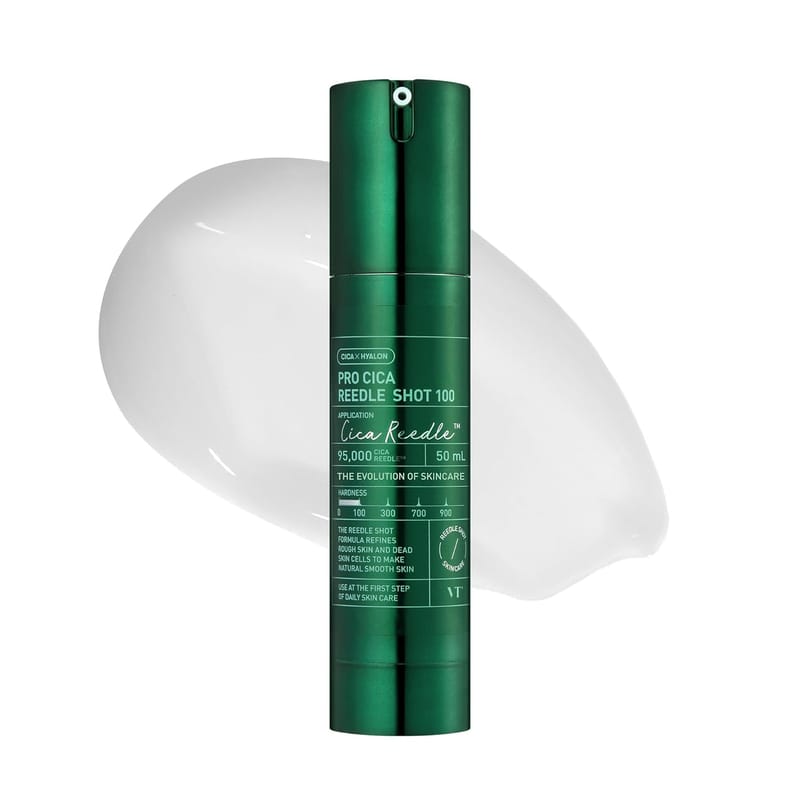
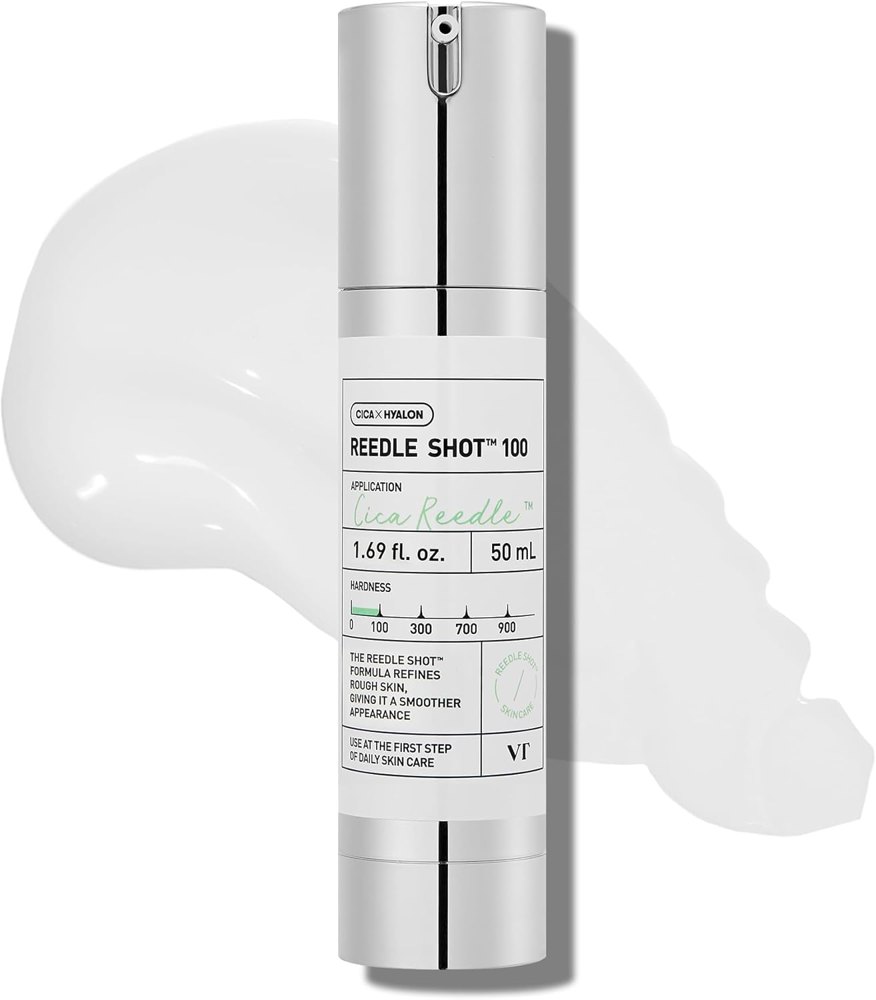
VT's everyday strength and the usual starting point after the Mild 50. It pairs silica needle-like particles with niacinamide, hyaluronic acid and centella. Expect a prickling feel. Independent trials of this product for wrinkles or scars are lacking, so treat smoother texture as plausible rather than proven.
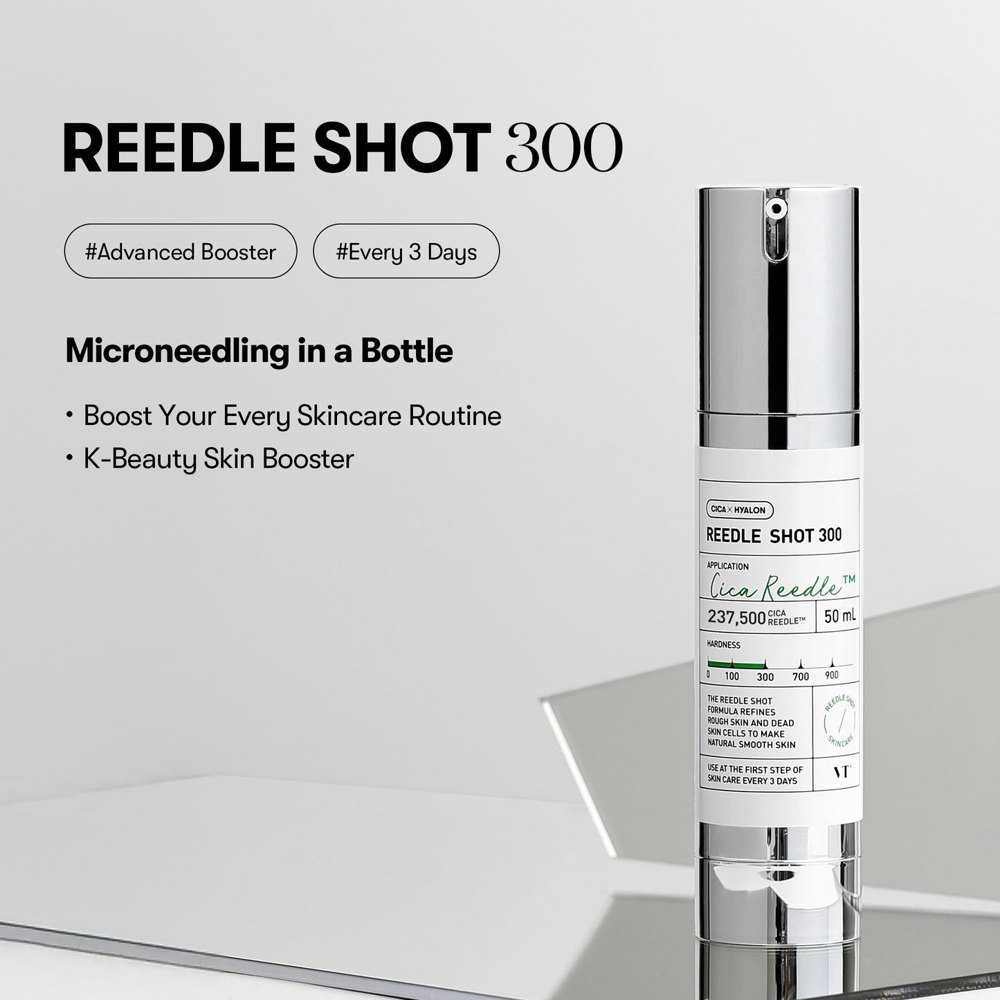
A stronger step up that VT directs people to use every three days. The base formula is close to Reedle Shot 100. There is no reliable head-to-head evidence that a higher number gives better visible results, so only consider it if the 100 is comfortable and you want to continue.
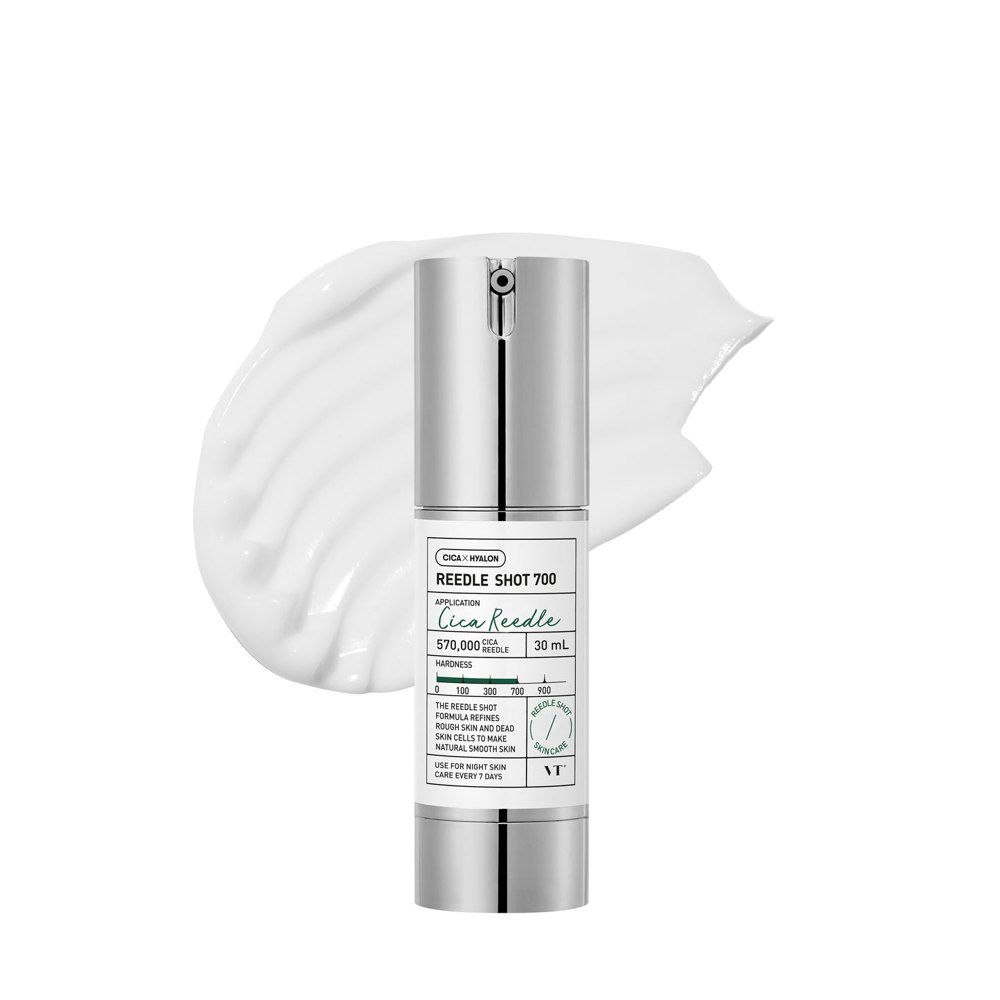
An intense weekly option with a richer base, sold in a smaller 30 ml bottle. Expect strong tingling and possibly redness. Most people do not need it, and there is no reliable evidence that it gives better results than the lower strengths.
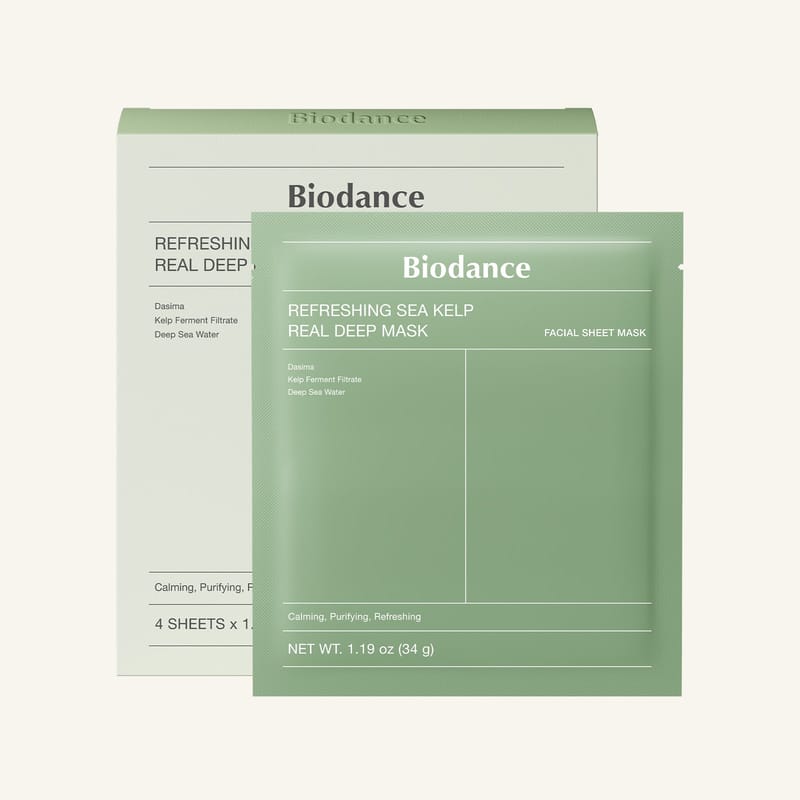
A 34 g hydrogel sheet with Lactobacillus/Kelp Ferment Filtrate second on the ingredient list. The formula also contains glycerin, betaine and panthenol. A kelp ferment on the label does not establish an effect on breakouts or oil production.
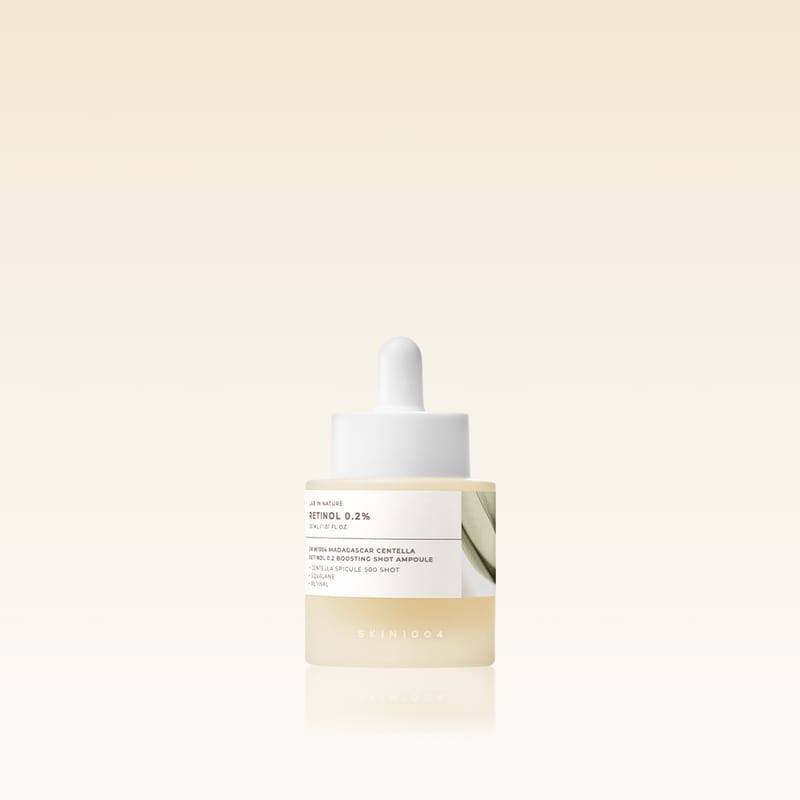
A 30 mL ampoule whose manufacturer lists retinol, retinal and hydrolysed sponge in the same formula. Check the exact pack instructions and cautions before introducing it alongside other active products.
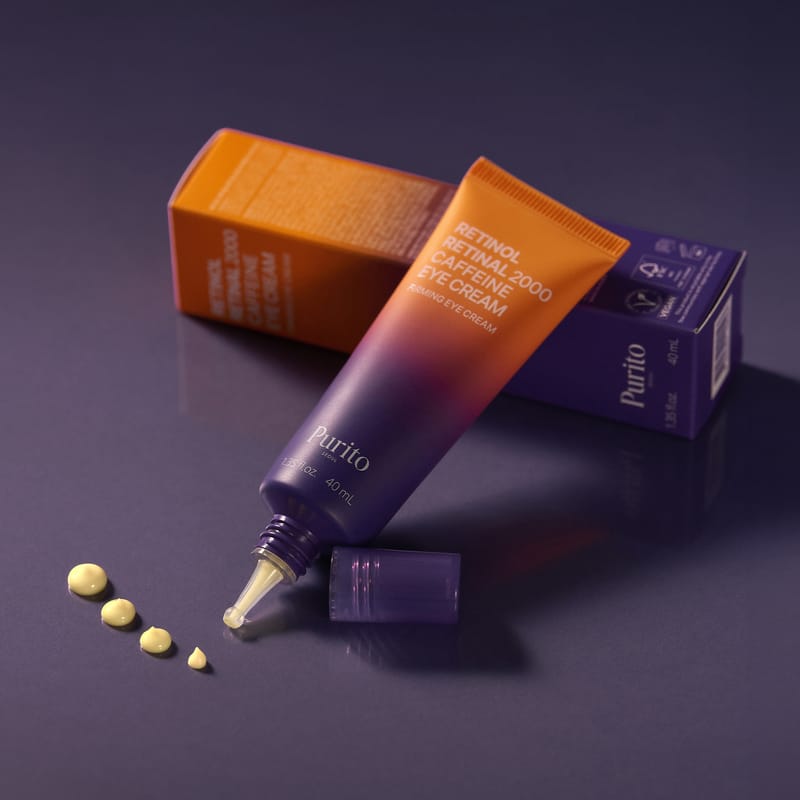
A 40 mL eye cream with caffeine and two retinoids. Purito lists 1% caffeine and 1,000 ppm each of retinol and retinal. This profile covers the maker’s published formula.
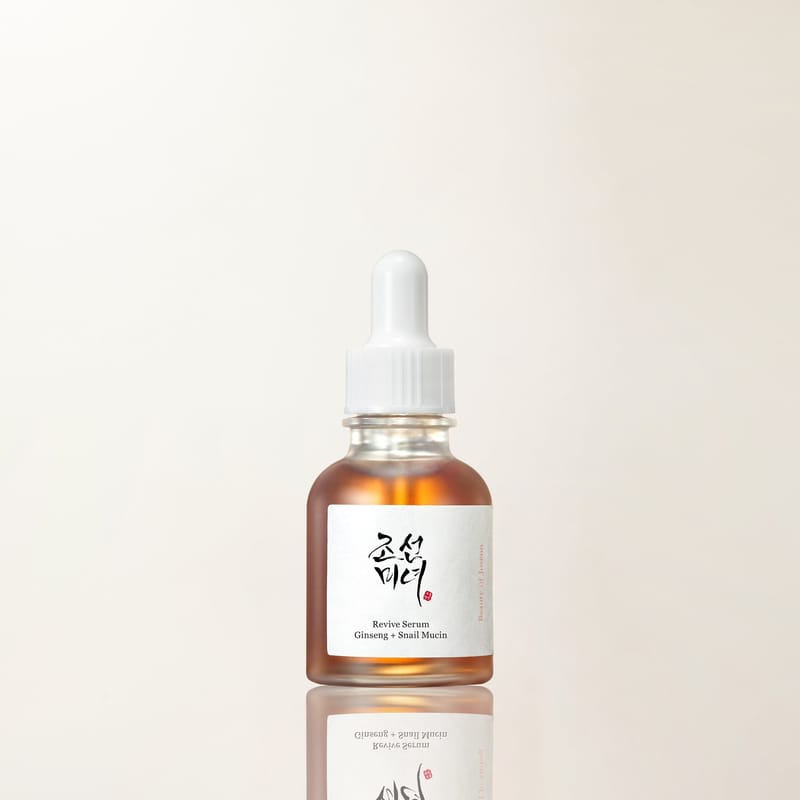
A 30 mL serum that lists ginseng root water, snail secretion filtrate and niacinamide. Choose a different formula if you avoid snail-derived ingredients.
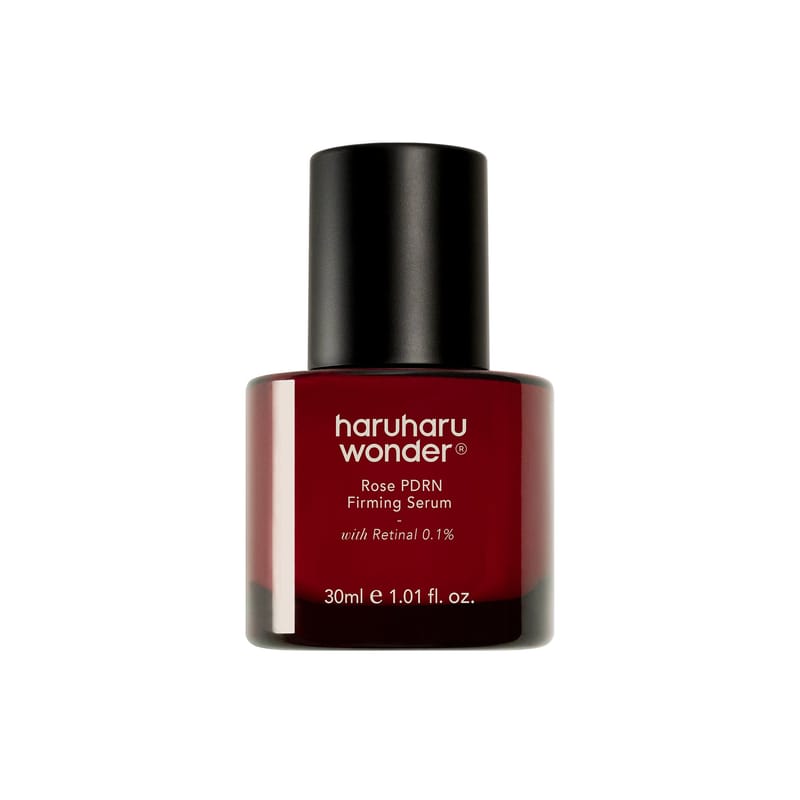
A 30 mL evening serum that the maker lists with 0.1% retinal, Sodium DNA and peptides. The UK retailer’s online ingredient order differs from the maker’s global panel. Use the label on your pack to compare formulas.
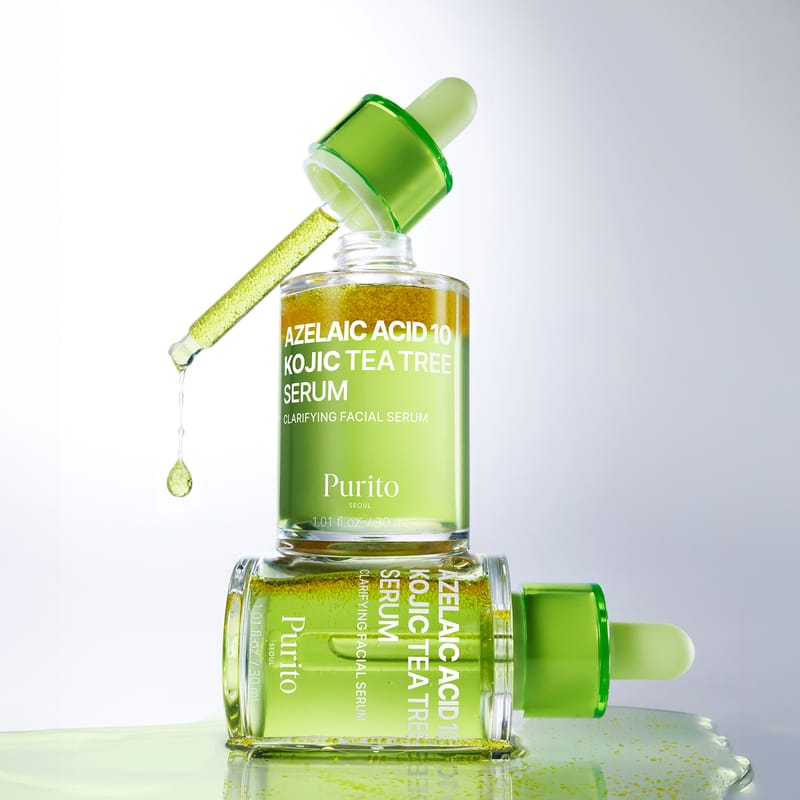
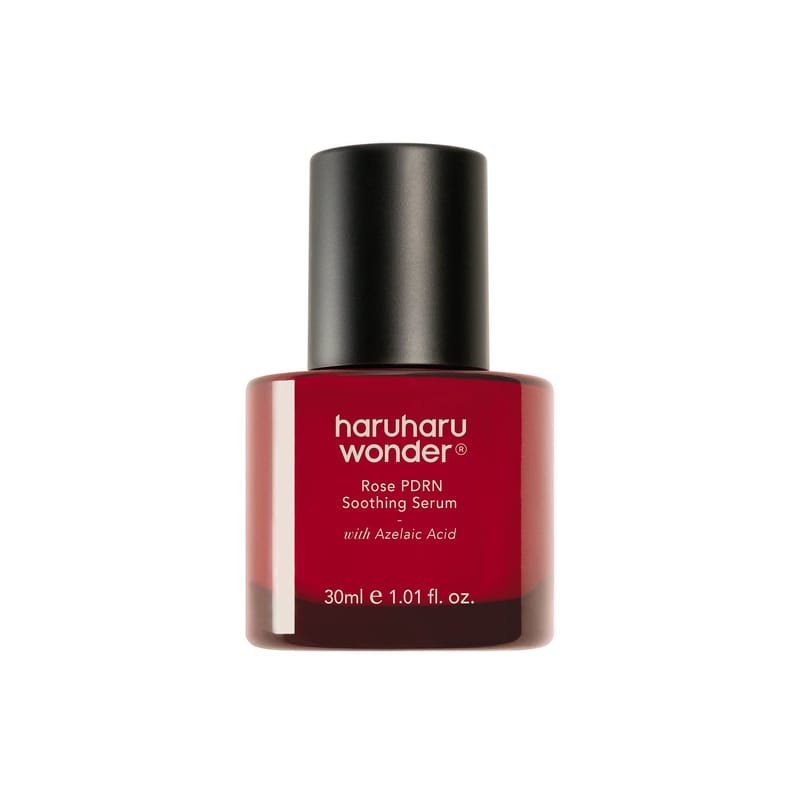
A 30 mL facial serum with glycerin, niacinamide, panthenol, Sodium DNA and azelaic acid on the maker’s list. The maker does not state an azelaic acid percentage on its product page.
A two-part collagen gel-pad treatment containing salmon-derived sodium DNA, niacinamide, capryloyl salicylic acid and retinol. It is more active than a basic hydrating toner pad and should be introduced cautiously.
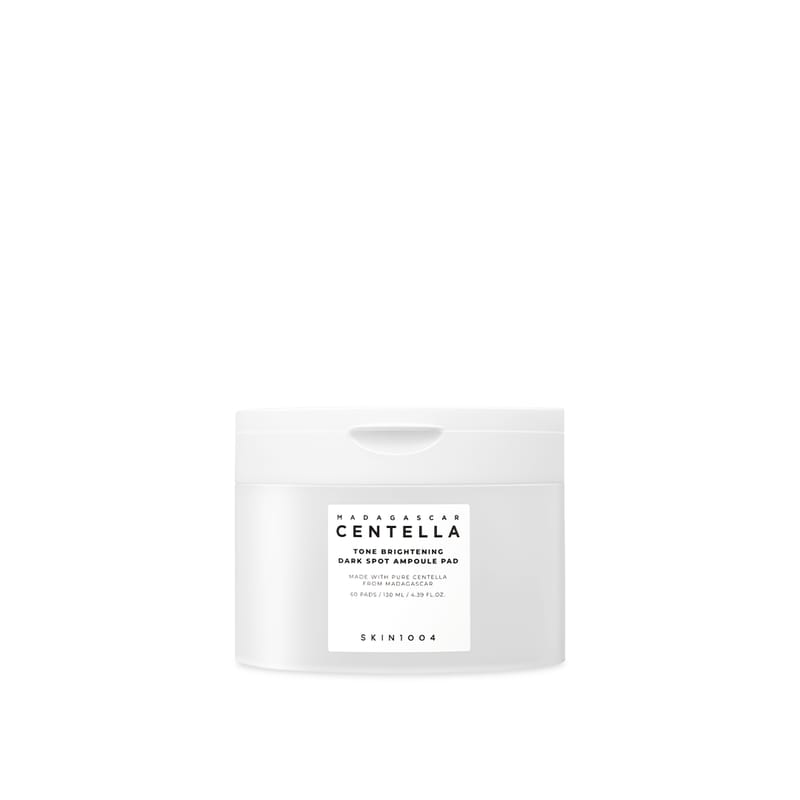
A 60-pad product designed for the toner step. SKIN1004 lists niacinamide second and also declares panthenol, kojic acid, ferulic acid and glutathione. The net weight or volume is unconfirmed.
A 30 mL serum with Sodium DNA, niacinamide and panthenol. The manufacturer’s ingredient list helps compare the formula with other serums, but gives no head-to-head performance result.
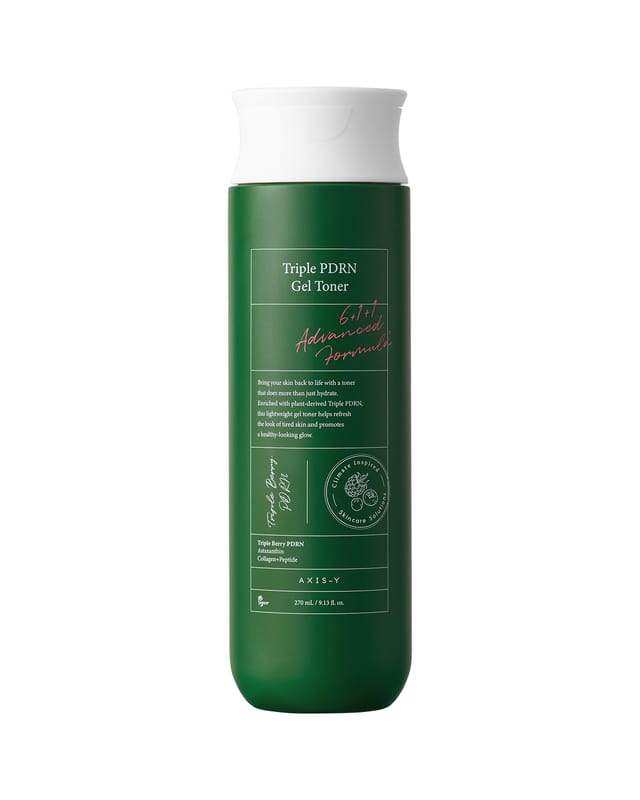
A 270 mL gel toner with rose flower water and sodium hyaluronate. Check the ingredient list if you are avoiding retinoids, as it also includes retinal.
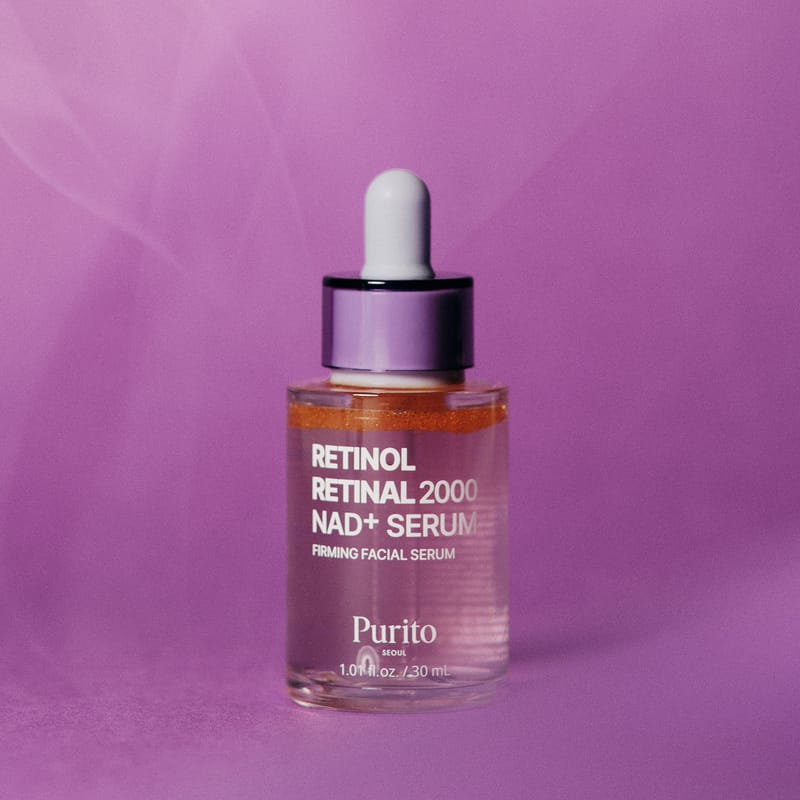
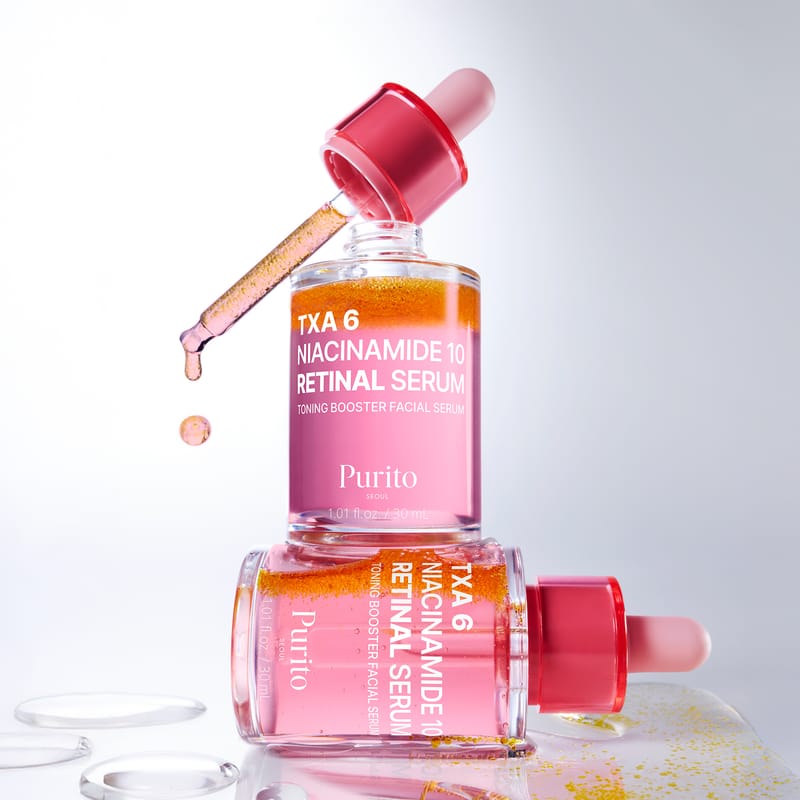
A 30 mL facial serum with maker-declared 10% niacinamide, 6% tranexamic acid and 25 ppm retinal. The formula and retinal level differ from Purito’s Retinol Retinal 2000 NAD+ Serum.
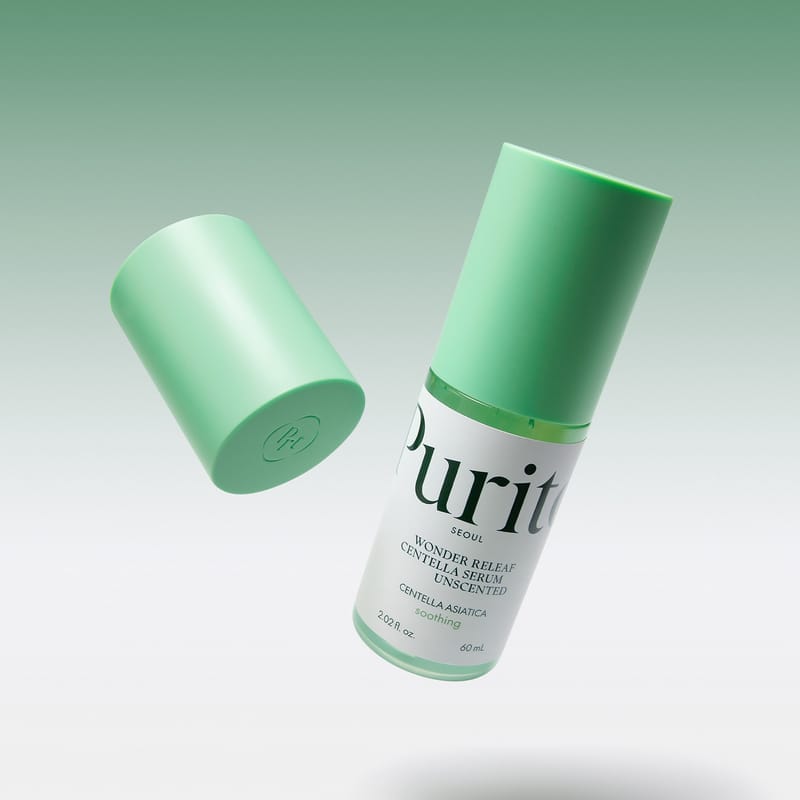
A 60 mL serum in Purito’s Unscented variant, with glycerin and centella extract near the top. Niacinamide, panthenol and several peptides also appear on the maker’s list.