
GuidesEvergreen research · not a news report
Squalane Skincare: Emollient Benefits, Science, and Formulation Guide
Discover how squalane skincare functions as a biocompatible emollient and facial oil to support skin barrier moisture, smooth surface texture, and complement hydration routines.
Editorial research review ·Written by Korean PDRN Editorial Team· Published 8 Oct 2026
Compare the products in this article
Researched from catalogue and manufacturer information — not hands-on tested. Prices and stock change; check the retailer before buying.

Anua · Oil cleansers
Heartleaf Pore Control Cleansing OilMay suit: Removing sunscreen, makeup and excess sebum
Less suited to: People who avoid fragrance; anyone who has reacted to ethylhexyl palmitate, botanical oils or heartleaf; users who do not want to follow with a water-based cleanser.
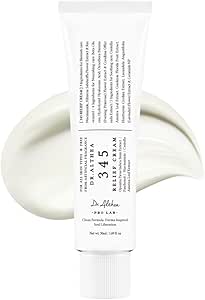
Dr.Althea · Moisturisers
345 Relief CreamMay suit: Light moisturisation and post-blemish care
Less suited to: People sensitive to tea tree leaf water, niacinamide or complex botanical formulas; very dry skin that requires a more occlusive cream; anyone expecting it to treat active acne.
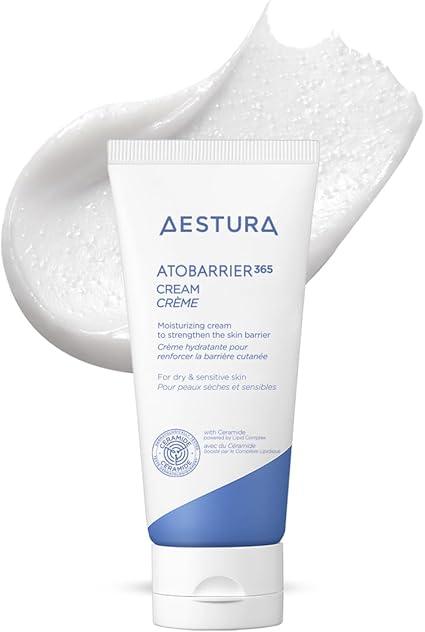
AESTURA · Moisturisers
ATOBARRIER365 CreamMay suit: Dry, sensitive-feeling or barrier-compromised skin
Less suited to: Very oily skin that prefers gel moisturisers; users who know they react to richer fatty alcohols, esters or silicone-heavy creams; anyone seeking a weightless finish.
On this page · 7 sections
Squalane skincare has become a staple in modern cosmetic science due to its exceptional stability, lightweight feel, and biocompatibility with human skin lipids. Unlike heavier plant oils that can feel occlusive or oxidize rapidly, squalane offers a refined emollient texture that mimics natural sebum components. In Korean skincare formulations, squalane is frequently utilised as a non-greasy facial oil, a fluid moisture lock in creams, or a structural carrier in cleansing formulations. This guide examines the chemistry of squalane, what current cosmetic evidence supports, how to integrate it into daily routines, and how it pairs with complementary barrier ingredients.
What Squalane Is
Squalane is the fully hydrogenated derivative of squalene, a saturated hydrocarbon lipid naturally produced by human sebaceous glands. Squalene constitutes approximately 10 to 12 percent of human surface sebum, serving as a primary natural component of the skin's lipid film. However, unhydrogenated squalene oxidises rapidly when exposed to air and light, making raw squalene unstable for topical cosmetic shelf-life.
Through hydrogenation, squalene is converted into squalane—a saturated, highly stable, bio-compatible hydrocarbon liquid. Commercial squalane skincare utilizes plant-derived sources, primarily extracted from olives, sugarcane, or rice bran. As a lightweight emollient facial oil, squalane integrates smoothly into the stratum corneum without leaving an oily residue, making it a versatile component in moisturising lotions, barrier creams, and cleansing oils.
What the Evidence Suggests
Cosmetic research indicates that squalane acts primarily as an effective emollient lipid. Emollients function by filling the micro-cavities between desquamating corneocytes in the outer stratum corneum, creating a smooth surface texture and improving overall skin flexibility.
Formulation-dependent observations indicate that topical squalane:
- May support lipid barrier function by reducing transepidermal water loss (TEWL).
- May help improve the appearance of surface roughness, flakiness, and fine dryness lines.
- Offers high chemical stability and resistance to lipid peroxidation, lowering the risk of rancidity compared to unsaturated plant oils.
- Provides a lightweight, non-comedogenic feel suitable for layering within a multi-step routine.
When incorporated alongside humectants and barrier lipids, squalane helps seal in water-based hydration, maintaining a comfortable skin feel throughout the day.
What the Evidence Does Not Establish
While squalane provides excellent emollient properties, it is important to understand its cosmetic limitations based on current literature:
- Evidence remains limited regarding direct cellular signaling or active biological anti-ageing activity; squalane does not trigger collagen production or repair DNA.
- Squalane does not cure dermatological conditions such as eczema, psoriasis, or severe barrier impairment.
- It does not replace structural barrier lipids such as ceramides or cholesterol; rather, it complements them by reducing moisture evaporation.
- Although squalane possesses good biocompatibility, formulation-dependent factors (such as heavy emulsifiers in a finished product) dictate overall pore-clogging potential rather than squalane alone.
Who It Suits
Squalane skincare is exceptionally versatile due to its lightweight sensory profile and chemical stability:
- Dry and Dehydrated Skin: Provides necessary lipid lubrication to smooth flaky patches and reduce TEWL when layered over humectant serums.
- Sensitive and Reactive Skin: Offers a simple, bio-compatible hydrocarbon lipid structure that is typically well-tolerated when skin barrier integrity is compromised.
- Combination and Oily Skin: Unlike heavy triglycerides, sugarcane-derived squalane functions as a fluid facial oil that provides moisture support without feeling heavy.
- Mature Skin: Helps supplement decreasing natural sebum production, softening the appearance of dehydration lines.
How to Use It in a Routine
Integrating squalane depends on the product format:
- Cleansing Step: In oil cleansers like the Anua Heartleaf Pore Control Cleansing Oil, emollient lipids assist in dissolving sebum and makeup during the first step of a double cleansing guide.
- Hydrating Step: Apply water-based serums containing Hyaluronic acid or Panthenol onto damp skin.
- Moisturising Step: Layer a squalane-rich cream such as the Dr.Althea 345 Relief Cream or pure squalane facial oil over water-based steps to seal in moisture. For step-by-step guidance on product ordering, consult our dry skin routine guide.
What to Combine or Avoid
Squalane is chemically inert and non-reactive, making it exceptionally easy to pair with active ingredients:
- Excellent Combinations: Combine squalane with humectants like hyaluronic acid to lock in surface water. It also pairs effectively with calming agents such as Centella asiatica and Niacinamide.
- Barrier Synergies: Combine squalane oils with complex lipid formulations such as the AESTURA ATOBARRIER365 Cream. Learn more in our detailed ceramides and barrier repair guide.
- What to Avoid: There are no direct active contraindications with squalane. However, applying pure squalane facial oil before water-based serums can impede the absorption of humectants, so always apply oils towards the end of your routine.
Frequently asked questions
Is squalane suitable for acne-prone skin?
Squalane is generally non-comedogenic and lightweight compared to standard plant oils. However, overall pore compatibility depends on the full finished product formulation.
What is the difference between squalene and squalane?
Squalene is an unsaturated lipid naturally present in human sebum that oxidises easily. Squalane is the hydrogenated, chemically stable version used in cosmetic skincare.
Should squalane oil be applied before or after moisturiser?
Pure squalane facial oil should typically be applied after water-based moisturisers or mixed directly into a cream to help seal in hydration.
In summary
Squalane skincare offers a highly stable, bio-compatible emollient solution for maintaining soft, smooth, and hydrated skin. By mimicking natural sebum lipids, squalane supports barrier maintenance and reduces transepidermal water loss without leaving a heavy or greasy residue. Whether integrated into cleansing oils, moisture creams, or pure facial oils, squalane remains an exemplary supporting ingredient for all skin types.
Sources
-
Best Korean Skincare Solutions For Rosacea Prone Skin - Hants — Centella asiatica (madecassoside), niacinamide, and panthenol are key ingredients used to soothe under-eye redness and puffiness in sensitive skin formulations.
-
Best Skincare Solutions For Rosacea Prone Skin - Hants — Triterpenoid saponins such as asiaticoside and madecassoside demonstrate anti-inflammatory activity by inhibiting COX-2.
Get new PDRN research by email
One email a week with new guides and evidence updates. No spam; unsubscribe anytime.
Something not right? Request a correction. Read our editorial policy and review methodology.