
GuidesEvergreen research · not a news report
Korean Skincare for Dry Skin: A Complete Routine Guide
A structured guide to building an effective Korean skincare routine for dry skin, focusing on humectants, emollient layering, and barrier preservation.
Written by Korean PDRN Editorial Team· Updated 8 Oct 2026
Compare the products in this article
Researched from catalogue and manufacturer information — not hands-on tested. Prices and stock change; check the retailer before buying.

COSRX · Cleansers
Low pH Good Morning Gel CleanserMay suit: Daily cleansing and oily or combination skin
Less suited to: Very dry, over-exfoliated or highly reactive skin; people sensitive to tea tree oil, betaine salicylate or cocamidopropyl betaine; anyone seeking a completely non-active cleanser.

Anua · Toners
PDRN 100 Hyaluronic Acid Booster TonerMay suit: Layered hydration and dry-looking skin
Less suited to: Vegan users; people avoiding fish-derived ingredients; anyone sensitive to soy, botanical extracts or multi-humectant formulas; users who want an exfoliating acid toner.

Torriden · Serums
DIVE-IN Low Molecule Hyaluronic Acid SerumMay suit: Lightweight hydration and dehydrated-looking skin
Less suited to: People sensitive to witch-hazel extract; users who expect a serum alone to prevent water loss in a dry climate; anyone who dislikes layering humectants.

Anua · Serums
PDRN Hyaluronic Acid Capsule 100 SerumMay suit: Lightweight hydration and a dewy finish
Less suited to: Vegan users; people avoiding fish-derived ingredients; anyone sensitive to niacinamide or complex botanical extracts; users wanting a simple single-ingredient serum.
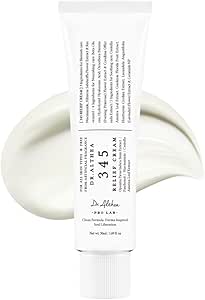
Dr.Althea · Moisturisers
345 Relief CreamMay suit: Light moisturisation and post-blemish care
Less suited to: People sensitive to tea tree leaf water, niacinamide or complex botanical formulas; very dry skin that requires a more occlusive cream; anyone expecting it to treat active acne.
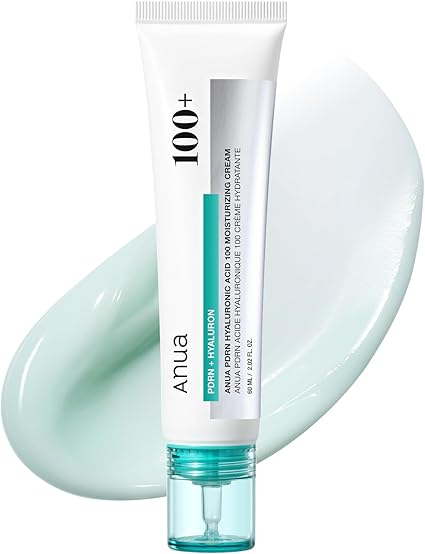
Anua · Moisturisers
PDRN Hyaluronic Acid 100 Moisturizing CreamMay suit: Daily lightweight moisturising and makeup layering
Less suited to: Vegan users; people avoiding fish-derived ingredients; very oily skin that needs an ultra-light gel; users sensitive to niacinamide or richer silicone/emollient blends.
On this page · 6 sections
Dry skin often manifests as tightness, flaking, or a dull texture due to impaired barrier function and insufficient transepidermal water retention. Korean skincare regimes emphasise multi-step hydration, gentle cleansing, and lipid replenishment to restore suppleness. While tailored primarily as a routine for dry complexions, these layering principles can be adapted across various skin types, including sensitive, oily, mature, or acne-prone skin.
Who this routine suits
This routine is specifically formulated for individuals experiencing chronic dryness, seasonal dehydration, tightness after cleansing, or rough skin texture. It prioritises low-pH cleansers, humectant-rich toners, and occlusive creams that help seal in hydration. The balance of humectants (which draw water in) and emollients or occlusives (which soften and slow water loss) is the core of the routine. However, the core philosophy of gentle hydration also offers value when modified for korean skincare for sensitive skin or korean skincare for mature skin, where moisture retention is equally vital.
Morning routine
The morning regime focuses on restoring overnight moisture loss and shielding the skin against environmental stressors:
- Gentle Cleansing: Start with lukewarm water or a mild low-pH gel cleanser such as COSRX Low pH Good Morning Gel Cleanser to cleanse without stripping the skin's natural lipids.
- Hydrating Toner or Essence: Apply a viscous humectant layer, such as I'm From Rice Toner or Anua PDRN 100 Hyaluronic Acid Booster Toner, pressing it gently into the skin to prep for subsequent layers.
- Targeted Serum: Use a dedicated hydrating serum like Torriden DIVE-IN Low Molecule Hyaluronic Acid Serum or Anua PDRN Hyaluronic Acid Capsule 100 Serum to support water retention. Learn more about humectant mechanics in our hyaluronic acid research guide.
- Moisturiser: Lock in hydrators with a nourishing cream like Dr.Althea 345 Relief Cream or Anua PDRN Hyaluronic Acid 100 Moisturizing Cream.
- Sun Protection: Finish with a hydrating sunscreen like Beauty of Joseon Relief Sun Rice or ROUND LAB Birch Juice Moisturizing Sunscreen SPF50+ to protect against UV damage.
Evening routine
The evening routine is designed to thoroughly cleanse accumulated impurities and support overnight recovery:
- First Cleanse (Oil Cleanser): Dissolve sunscreen and lipophilic impurities using an oil-based cleanser such as Anua Heartleaf Pore Control Cleansing Oil.
- Second Cleanse: Follow with a gentle water-based wash such as Beauty of Joseon Green Plum Refreshing Cleanser to leave skin clean without feeling taut.
- Restorative Essence or Ampoule: Apply a rich ampoule or essence containing repair-focused ingredients, such as VT COSMETICS PDRN 100 Essence or medicube Salmon DNA PDRN Pink Peptide Serum. Explore more in our PDRN skincare guide.
- Nourishing Barrier Cream: Seal everything with a ceramide-rich barrier formulation like AESTURA ATOBARRIER365 Cream or medicube Salmon DNA PDRN Pink Collagen Capsule Cream to reduce overnight transepidermal water loss.
How to introduce actives
When incorporating potent actives (such as vitamin C, retinoids, or exfoliating acids) into a dry skin routine, slow introduction is essential to prevent barrier disruption:
- Frequency: Begin by using active serums once or twice weekly, gradually increasing frequency as tolerated.
- Buffering: Apply a hydrating toner or light moisturiser before your active ingredient to buffer absorption and minimise potential irritation.
- Patch Testing: Always patch test new active formulations on a small area of skin before full facial application.
- Balancing: If using actives alongside hydrating components like panthenol or Centella asiatica, keep your hydrating layers consistent to maintain skin comfort. Read our Centella asiatica guide for soothing layering strategies.
Cautions
While hydrating ingredients like hyaluronic acid, panthenol, and botanical extracts generally exhibit good skin tolerance, precautions remain necessary:
- Over-Exfoliation: Avoid combining multiple strong chemical exfoliants (AHAs, BHAs) simultaneously, as dry skin barriers are particularly vulnerable to stripping.
- Contact Hypersensitivity: Although uncommon, ingredients such as panthenol can occasionally trigger contact allergic reactions or hypersensitivity in sensitive or atopic skin profiles.
- Sealing humectants: Hyaluronic acid is a humectant. It is commonly advised to follow it with a moisturiser, particularly in dry or heated indoor air; the popular claim that it actively pulls water out of skin in low humidity is widely repeated but the direct evidence for it is limited.
Frequently asked questions
Can I use Korean skincare for dry skin if I also have acne?
Yes. If you have dry yet acne-prone skin, focus on lightweight, non-comedogenic humectants such as hyaluronic acid or snail mucin, while choosing light gel-creams that provide moisture without clogging pores.
How long does it take to see improvements in dry skin?
Immediate relief from tightness often occurs after applying humectants and barrier creams. Longer-term changes are harder to predict and are formulation-dependent; many people judge a new routine over a few weeks of consistent use. If dryness is severe, cracked, itchy or persistent, speak to a pharmacist or GP, as it may need treatment rather than cosmetics.
Is double cleansing safe for dry skin?
Yes, provided gentle formulations are used. An oil cleanser efficiently dissolves sunscreen and lipophilic debris without stripping, followed by a low-pH gentle cleanser that maintains skin hydration.
In summary
A well-structured Korean skincare routine for dry skin relies on sequential layering of humectants, soothing botanicals, and emollient barrier creams. By prioritising gentle cleansing and consistent occlusion, dry skin can achieve a supple, healthy appearance without irritation.
Sources
- British Association of Dermatologists — Emollient use in skin conditions: how emollients are used to reduce water loss in dry skin.
- American Academy of Dermatology — Dermatologists' top tips for relieving dry skin: gentle cleansing, lukewarm water and moisturising soon after washing.
- American Academy of Dermatology — How to pick the right moisturiser for your skin: choosing richer creams for dry skin.
- Schachner L et al. (2023) — The importance of a healthy skin barrier using ceramide-containing cleansers and moisturisers: review supporting ceramide-containing barrier products.
- Allergic contact dermatitis to panthenol in a barrier-repair cream marketed for sensitive skin: case report behind the panthenol caution above.
- NHS — Sunscreen and sun safety: UK sunscreen guidance.
Product-specific claims (for example for the named toners, serums and creams) come from manufacturer ingredient lists and descriptions, not from independent trials of those products.
Get new PDRN research by email
One email a week with new guides and evidence updates. No spam; unsubscribe anytime.
Linked source records
- American Academy of Dermatology. How to pick the right moisturiser for your skin (Tier 2, American Academy of Dermatology, retrieved 30/07/2026)
- American Academy of Dermatology. Dermatologists' top tips for relieving dry skin (Tier 2, American Academy of Dermatology, retrieved 30/07/2026)
- Schachner L et al.. The importance of a healthy skin barrier using ceramide-containing cleansers and moisturisers (2023) (Tier 1, PubMed, retrieved 30/07/2026)
- British Association of Dermatologists. Emollient use in skin conditions (Tier 3, retrieved 30/07/2026)
- NHS. Sunscreen and sun safety (Tier 2, NHS, retrieved 30/07/2026)
- Lampridou S et al.. The effectiveness of polynucleotides in aesthetic medicine: a systematic review (2025) (Tier 1, PubMed, retrieved 30/07/2026)
- Ye et al.. Topical medium-length PDRN in photodamaged skin: laboratory and short clinical study (2026) (Tier 1, PubMed, retrieved 30/07/2026)
Something not right? Request a correction. Read our editorial policy and review methodology.