
GuidesEvergreen research · not a news report
The Ultimate Guide to Mature Skin and Healthy Ageing
A science-led Korean skincare routine for dryness, uneven tone, fine lines and long-term sun protection.
Written by Korean PDRN Editorial Team· Updated 28 Oct 2026
Compare the products in this article
Researched from catalogue and manufacturer information — not hands-on tested. Prices and stock change; check the retailer before buying.

Beauty of Joseon · Sunscreens
Relief Sun RiceMay suit: Daily lightweight facial sun protection
Less suited to: Very oily skin that wants a dry matte finish; anyone sensitive to one of the listed UV filters, niacinamide or fermented extracts; users seeking a water-resistant sports sunscreen.

Torriden · Serums
DIVE-IN Low Molecule Hyaluronic Acid SerumMay suit: Lightweight hydration and dehydrated-looking skin
Less suited to: People sensitive to witch-hazel extract; users who expect a serum alone to prevent water loss in a dry climate; anyone who dislikes layering humectants.
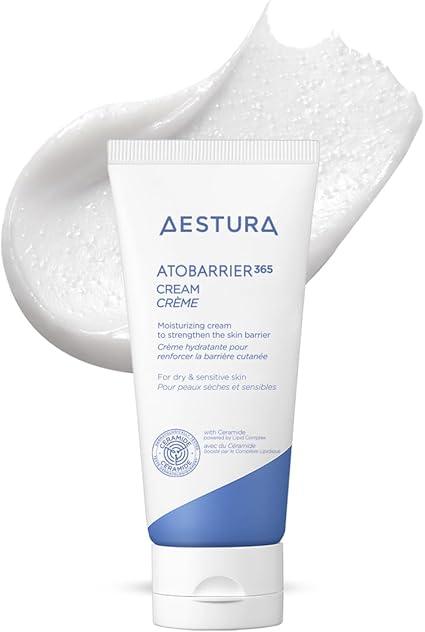
AESTURA · Moisturisers
ATOBARRIER365 CreamMay suit: Dry, sensitive-feeling or barrier-compromised skin
Less suited to: Very oily skin that prefers gel moisturisers; users who know they react to richer fatty alcohols, esters or silicone-heavy creams; anyone seeking a weightless finish.
On this page · 12 sections
The evidence-led answer The most evidence-based mature-skin routine is consistent rather than complicated: gentle cleansing, moisturiser matched to dryness, broad-spectrum SPF 30 or higher every morning, and a gradually introduced retinoid at night when suitable. Vitamin C, niacinamide, peptides and topical PDRN are optional additions with varying levels of evidence.
Important Skin ageing is normal, and cosmetics produce modest, gradual changes. No cream can lift significantly sagging skin or reverse ageing. Retinoids can irritate and should not be used during pregnancy or when planning pregnancy. New, changing, bleeding or non-healing skin lesions require medical assessment.
In this guide
| 1 | Understand intrinsic ageing and photoageing |
|---|---|
| 2 | Prioritise sunscreen and barrier support |
| 3 | Introduce retinoids safely |
| 4 | Evaluate antioxidants, peptides and PDRN |
| 5 | Build morning and evening routines |
| 6 | Set realistic timelines and expectations |
What changes in mature skin
“Mature skin” is not one skin type. It may be dry, oily, sensitive or acne-prone. With age, many people experience reduced surface lipids, slower recovery from irritation and greater visibility of fine lines, uneven tone and texture. Ultraviolet exposure is a major modifiable driver of premature skin ageing, making sun protection the foundation of any evidence-led routine.[1]
The goal is healthier-looking, comfortable skin—not a promise to reverse age. Prescription tretinoin has the strongest topical evidence for photoageing, while cosmetic retinol and retinaldehyde have some supportive evidence but vary greatly by formulation and are generally less studied.[2,3]
The hierarchy of impact 1) Daily sun protection. 2) Consistent moisturisation. 3) A tolerated retinoid when appropriate. 4) Optional antioxidant, niacinamide, peptide or PDRN products.
Morning routine for mature skin
| Step | Category | What to choose | How to use it |
|---|---|---|---|
| 1 | Cleanse or rinse | Gentle cream or low-foaming cleanser; water rinse may suit dry skin. | Avoid stripping the skin before applying active products. |
| 2 | Antioxidant | Optional vitamin C or niacinamide serum in a stable, tolerated formula. | Use one antioxidant step. Stop if persistent irritation occurs. |
| 3 | Moisturiser | Lotion or cream with glycerin, ceramides, peptides or emollients according to dryness. | Apply enough to improve comfort and reduce surface roughness. |
| 4 | Sunscreen | Broad-spectrum SPF 30+ with strong UVA protection; use shade and protective clothing. | Apply every morning to exposed skin and reapply according to exposure and label advice. |
Evening routine for mature skin
| Step | Category | What to choose | How to use it |
|---|---|---|---|
| 1 | Cleanse | Remove make-up and sunscreen with a gentle cleanser; double cleanse only when required. | Keep cleansing brief and avoid hot water. |
| 2 | Retinoid | Optional cosmetic retinol/retinal, or prescription retinoid under clinical guidance. | Start with the lowest practical strength once or twice weekly, then increase gradually if tolerated. |
| 3 | Moisturiser | Barrier-support cream; apply before and/or after retinoid if dryness is a problem. | Use a richer cream on dry areas. Do not add exfoliating acids during the initial retinoid phase. |
| 4 | Non-retinoid nights | Hydrating serum, peptide or PDRN product may be used instead of another active. | Keep recovery nights simple and monitor the complete formula for irritation. |
What the evidence says about popular actives
Ingredient decision table
| Ingredient / category | Potential role | Important limitations or cautions |
|---|---|---|
| Sunscreen | Reduces UV injury and is the most important preventive anti-photoageing step.[1] | No sunscreen blocks all UV. Adequate amount, reapplication, shade and clothing matter. |
| Prescription tretinoin | Gold-standard topical treatment for photoageing in the research literature.[2] | Prescription only in the UK for relevant indications; irritation is common and pregnancy restrictions apply. |
| Retinol / retinal | Cosmetic retinoids may improve fine lines, tone and texture over time.[3] | Strength and stability vary; evidence is less consistent than for tretinoin. Start slowly. |
| Vitamin C | Systematic review evidence suggests possible improvement in uneven tone and wrinkles, but studies are limited and formulations vary.[4] | Stability, concentration and packaging matter. It can sting sensitive skin. |
| Niacinamide | May support barrier function, pigmentation appearance and signs of ageing.[5] | High percentages can irritate. More is not always better. |
| Peptides | Can support moisturising formulas and may have targeted cosmetic evidence depending on the peptide. | “Peptide complex” is not a single proven ingredient; claims must be product-specific. |
| PDRN / polynucleotides | Injectable PN research is promising but limited; topical evidence is emerging, including a short 2026 study.[6,7] | Do not assume topical products match injectable outcomes. The evidence is early and often product-specific. |
How to introduce a retinoid without damaging the routine
-
Use cleanser, moisturiser and sunscreen consistently for at least two weeks first.
-
Choose one low-strength retinol or retinal product and use a pea-sized amount for the whole face once or twice weekly.
-
Avoid eyelids, corners of the nose and lips unless the product specifically permits those areas.
-
Use moisturiser before and after the retinoid if dryness is likely.
-
Do not add exfoliating acids, scrubs or another retinoid during the first six to eight weeks.
-
Reduce frequency or stop for persistent burning, swelling, rash or significant peeling. Seek professional advice when needed.
Where Korean skincare and PDRN fit
Korean skincare can support mature skin through elegant sunscreen textures, hydrating essences and barrier creams that make consistent use easier. A routine can remain four steps. Toner and essence are optional; they are useful only when they improve hydration or replace several serums.
PDRN is commercially prominent in K-beauty, but current evidence does not justify presenting every topical PDRN serum as equivalent to an injectable polynucleotide treatment. A 2025 systematic review found promising but low-to-moderate-quality evidence for aesthetic injections, and a 2026 topical study was encouraging but short and product-specific.[6,7] Use PDRN as an optional supportive cosmetic, not the foundation of an anti-ageing routine.
Best Korean skincare products for mature skin
The best Korean skincare for mature skin supports the barrier, adds hydration and protects from the sun. Pair it with a retinoid at night if your skin tolerates one, and avoid retinoids in pregnancy.
| Step | Korean product from our catalogue | Why |
|---|---|---|
| Sunscreen | Beauty of Joseon Relief Sun: Rice + Probiotics | A light SPF50+ PA++++ texture that is easy to wear every day |
| Hydrating serum | Torriden Dive-In Low Molecule Hyaluronic Acid Serum | Layered hyaluronic acid for hydration and a smoother look |
| Barrier cream | AESTURA ATOBARRIER365 Cream | A ceramide cream suited to dry, mature or barrier-stressed skin |
| Optional PDRN step | See our PDRN cream and toner guide and PDRN serum guide | A hydrating extra; benefits of PDRN in creams are not proven |
Check each product page for the full ingredient list before buying, and introduce one product at a time.
Realistic timelines
-
Hydration and surface comfort: days to two weeks with consistent moisturisation.
-
Retinoid adjustment: several weeks; irritation can occur before tolerance develops.
-
Fine lines and uneven texture: usually require months, not days.
-
Pigmentation appearance: often slow and highly dependent on daily UV protection.
-
Skin laxity: topical products produce modest effects; significant lifting claims are not realistic.
Common mature-skin mistakes
-
Buying several premium serums while using sunscreen inconsistently.
-
Starting a strong retinoid every night.
-
Using glycolic acid, vitamin C, retinol and exfoliating pads together from day one.
-
Assuming tingling proves a product is working.
-
Applying face retinoids too close to the eyes without product-specific guidance.
-
Believing collagen creams replace lost dermal collagen simply because collagen is listed.
-
Presenting PDRN as proven to regenerate human skin from routine topical use.
Frequently asked questions
What is the most important anti-ageing skincare product?
Daily broad-spectrum sunscreen, alongside shade and protective clothing, has the greatest preventive role against photoageing.
Is retinol or retinal better?
Both are cosmetic retinoids. Retinal requires fewer conversion steps to retinoic acid, but product stability, strength and tolerance matter. Neither should be treated as automatically superior in every formula.
Can mature skin use Korean essences?
Yes. A hydrating essence can improve comfort and layering, but it is optional and does not replace moisturiser or sunscreen.
Does topical collagen rebuild collagen?
Topical collagen mainly acts as a film-forming moisturising ingredient; claims that it directly replaces dermal collagen should be treated cautiously.
Is PDRN better than retinol?
There is not enough comparative topical evidence to make that conclusion. Retinoids have a much larger evidence base for photoageing; PDRN remains an emerging option.
Can I use vitamin C and retinol together?
They can exist in the same overall routine, but beginning both simultaneously increases the chance of irritation. Introduce one first and separate morning and evening use.
Related: See our best PDRN skincare in the UK comparison, with the leading PDRN serums, creams and toners ranked by formula, skin type and value.
Get new PDRN research by email
One email a week with new guides and evidence updates. No spam; unsubscribe anytime.
Sources
- Schachner L et al.. The importance of a healthy skin barrier using ceramide-containing cleansers and moisturisers (2023) (Tier 1, PubMed, retrieved 30/07/2026)
- Siddiqui Z et al.. Comparing tretinoin to other topical therapies in skin photoageing: a systematic review (2024) (Tier 1, PubMed, retrieved 30/07/2026)
- Ong RR, Goh CF. Niacinamide: a review on dermal delivery strategies and clinical evidence (2024) (Tier 1, PubMed, retrieved 30/07/2026)
- American Academy of Dermatology. Retinoid or retinol? (Tier 2, American Academy of Dermatology, retrieved 30/07/2026)
- Correia G, Magina S. Efficacy of topical vitamin C in melasma and photoageing: a systematic review (2023) (Tier 1, PubMed, retrieved 30/07/2026)
- NHS. Sunscreen and sun safety (Tier 2, NHS, retrieved 30/07/2026)
- Lampridou S et al.. The effectiveness of polynucleotides in aesthetic medicine: a systematic review (2025) (Tier 1, PubMed, retrieved 30/07/2026)
- Ye et al.. Topical medium-length PDRN in photodamaged skin: laboratory and short clinical study (2026) (Tier 1, PubMed, retrieved 30/07/2026)
Something not right? Request a correction. Read our editorial policy and review methodology.