
GuidesEvergreen research · not a news report
Korean Skincare for Combination Skin: A Science-Led Routine Guide
Learn how to balance an oily T-zone and dry cheeks with a science-led Korean skincare routine for combination skin. Discover lightweight hydration and layering strategies.
Written by Korean PDRN Editorial Team· Updated 8 Oct 2026
Compare the products in this article
Researched from catalogue and manufacturer information — not hands-on tested. Prices and stock change; check the retailer before buying.

Beauty of Joseon · Cleansers
Green Plum Refreshing CleanserMay suit: Gentle daily cleansing without a heavy finish
Less suited to: People allergic or sensitive to cocamidopropyl-derived surfactants, coconut-derived ingredients or multiple botanical extracts; users expecting it to remove heavy waterproof makeup by itself.

Anua · Toners
Heartleaf 77 Soothing TonerMay suit: Light hydration and soothing a stressed-feeling complexion
Less suited to: People with a known heartleaf or botanical-extract allergy; users who need a richer emollient toner; anyone expecting a toner alone to replace moisturiser.

Torriden · Serums
DIVE-IN Low Molecule Hyaluronic Acid SerumMay suit: Lightweight hydration and dehydrated-looking skin
Less suited to: People sensitive to witch-hazel extract; users who expect a serum alone to prevent water loss in a dry climate; anyone who dislikes layering humectants.
Dr.Althea · Moisturisers
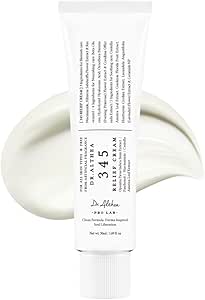
345 Relief CreamMay suit: Light moisturisation and post-blemish care
Less suited to: People sensitive to tea tree leaf water, niacinamide or complex botanical formulas; very dry skin that requires a more occlusive cream; anyone expecting it to treat active acne.

SKIN1004 · Sunscreens
Madagascar Centella Hyalu-Cica Water-Fit Sun Serum SPF50+ PA++++May suit: Hydrating, serum-like daily SPF
Less suited to: Users who need a very matte sunscreen; anyone sensitive to the listed UV filters, niacinamide or wheat-derived extract; those needing a dedicated water-resistant sports sunscreen.

Anua · Oil cleansers
Heartleaf Pore Control Cleansing OilMay suit: Removing sunscreen, makeup and excess sebum
Less suited to: People who avoid fragrance; anyone who has reacted to ethylhexyl palmitate, botanical oils or heartleaf; users who do not want to follow with a water-based cleanser.
On this page · 6 sections
Managing combination skin presents a unique cosmetic challenge: the forehead, nose, and chin (the T-zone) often experience excess sebum accumulation, while the cheek and jawline areas remain prone to dryness or tautness. Structuring a Korean skincare for combination skin regimen involves using lightweight, humectant-rich layers that replenish moisture across drier areas without exacerbating oil production or occluding pores in sebum-dense zones. This guide details step-by-step morning and evening workflows, active ingredient integration, and essential formulation considerations.
Who this routine suits
This combination skin routine is designed for individuals who experience fluctuating sebum output throughout the day alongside localised hydration deficits. If your T-zone exhibits persistent shine or enlarged pore visibility while your peripheral face feels tight or dry after cleansing, this structured workflow offers balanced support. It is particularly suitable for those seeking to incorporate lightweight Korean hydration steps—such as watery toners, humectant serums, and fluid sunscreens—that provide targeted hydration without heavy lipid residue. If you are unsure whether you are combination or simply dehydrated, see our dry skin routine and oily skin routine for comparison.
Morning routine: Lightweight hydration and T-zone balance
For an oily T-zone with drier cheeks, the morning aim is to deliver humectants, antioxidant support, and sun protection without creating heavy grease.
-
Cleansing: Begin with a mild, low-pH water-based cleanser such as the Beauty of Joseon Green Plum Refreshing Cleanser. A gentle morning cleanse removes overnight sebum buildup while respecting the surface skin barrier.
-
Hydrating Toner: Apply a lightweight liquid toner like the Anua Heartleaf 77 Soothing Toner. Formulated with heartleaf extract, it provides initial hydration and may support a calm surface appearance.
-
Humectant Serum: Layer a watery serum rich in Hyaluronic acid, such as the Torriden DIVE-IN Low Molecule Hyaluronic Acid Serum. Humectants bind moisture to the upper epidermal layers, helping dry cheeks feel supple without loading excess lipids onto the T-zone.
-
Balanced Moisturiser: Apply a light moisturiser such as the Dr.Althea 345 Relief Cream. Use a thin layer on the T-zone and a little more on the cheeks.
-
Sunscreen: Complete the morning steps with a lightweight fluid sunscreen, such as the SKIN1004 Madagascar Centella Hyalu-Cica Water-Fit Sun Serum SPF50+ PA++++. Daily broad-spectrum sunscreen is the most established way to reduce UV damage; reapply when outdoors for long periods.
Evening routine: Deep cleansing and barrier restoration
Evening routines focus on thorough cleansing of daily impurities followed by barrier support and targeted active treatments.
-
First Cleanse: Use an emulsifying oil cleanser like the Anua Heartleaf Pore Control Cleansing Oil to dissolve sunscreen and excess sebum from the T-zone. To review optimal cleansing steps, see our Double Cleansing Korean Skincare Guide.
-
Second Cleanse: Re-wash with your gentle water-based cleanser to ensure all residue is thoroughly removed.
-
Hydrating & Soothing Essence: Apply an essence containing Centella asiatica or Niacinamide. Products like the Beauty of Joseon Glow Serum Propolis + Niacinamide contain niacinamide, which may support pore management and excess oil control while contributing to a clear tone.
-
Moisturiser: Reuse your morning moisturiser, or a slightly richer cream on the cheeks only if they still feel tight.
How to introduce active ingredients
When adding actives such as exfoliants or brighteners, apply them where they are needed rather than across the whole face. Apply gentle exfoliating acids (like mandelic acid or mild BHAs) primarily to the T-zone to refine pore appearance and clear excess oil. Conversely, keep soothing humectants such as Panthenol concentrated on drier peripheral zones. Always introduce one active product at a time, performing patch testing over 48 hours and gradually building frequency to twice weekly before increasing usage.
Cautions and formulation considerations
Combination skin can be vulnerable to over-exfoliation if strong cleansers or astringents are used to strip T-zone oiliness. Stripping the lipid mantle may trigger compensatory sebum overproduction while exacerbating dryness on the cheeks. Avoid high concentrations of alcohol or overly heavy occlusive waxes across the entire face. Niacinamide has a reasonable body of cosmetic research for oil and barrier support, although results depend on concentration and formulation; evidence specific to combination skin as a category is limited.
Frequently asked questions
Can I use different moisturisers on different areas of my face?
Yes. Multi-moisturising—applying a light gel-cream to the oily T-zone and a slightly richer cream to dry cheeks—is a simple, practical way to address uneven hydration needs for combination skin.
How often should double cleansing be performed for combination skin?
Double cleansing is typically recommended once per day in the evening to break down oil-soluble sunscreen, excess sebum, and daily pollutants without stripping the skin barrier.
Is niacinamide suitable for combination skin?
Niacinamide is widely considered suitable for combination skin as it may support excess sebum regulation in the T-zone while supporting moisture barrier retention across drier facial zones.
In summary
Constructing an effective Korean skincare for combination skin strategy relies on balanced hydration, non-comedogenic formulations, and zone-specific adjustments. By combining gentle double cleansing with light humectants and fluid sunscreens, you can maintain comfortably hydrated cheeks alongside a balanced, shine-free T-zone.
Sources
- American Academy of Dermatology — How to pick the right moisturiser for your skin: matching moisturiser texture to skin type.
- American Academy of Dermatology — 10 skin care secrets for healthier-looking skin: gentle cleansing and introducing one new product at a time.
- Ong RR, Goh CF (2024) — Niacinamide: a review on dermal delivery strategies and clinical evidence: review of topical niacinamide evidence.
- Schachner L et al. (2023) — The importance of a healthy skin barrier using ceramide-containing cleansers and moisturisers: barrier-supportive cleansers and moisturisers.
- NHS — Sunscreen and sun safety: UK sunscreen guidance.
Earlier versions of this guide cited a post-laser regimen study and a mature-skin moisturiser study; they were removed because they do not support everyday combination-skin advice. Product-specific descriptions come from manufacturer information, not independent trials.
Get new PDRN research by email
One email a week with new guides and evidence updates. No spam; unsubscribe anytime.
Linked source records
- American Academy of Dermatology. How to pick the right moisturiser for your skin (Tier 2, American Academy of Dermatology, retrieved 30/07/2026)
- American Academy of Dermatology. 10 skin care secrets for healthier-looking skin (Tier 2, American Academy of Dermatology, retrieved 30/07/2026)
- Schachner L et al.. The importance of a healthy skin barrier using ceramide-containing cleansers and moisturisers (2023) (Tier 1, PubMed, retrieved 30/07/2026)
- Ong RR, Goh CF. Niacinamide: a review on dermal delivery strategies and clinical evidence (2024) (Tier 1, PubMed, retrieved 30/07/2026)
- NHS. Sunscreen and sun safety (Tier 2, NHS, retrieved 30/07/2026)
- Lampridou S et al.. The effectiveness of polynucleotides in aesthetic medicine: a systematic review (2025) (Tier 1, PubMed, retrieved 30/07/2026)
- Ye et al.. Topical medium-length PDRN in photodamaged skin: laboratory and short clinical study (2026) (Tier 1, PubMed, retrieved 30/07/2026)
Something not right? Request a correction. Read our editorial policy and review methodology.