
GuidesEvergreen research · not a news report
Korean Body Lotion: How Korean Bodycare Approaches Dry Skin, and Whether Illiyoon Ceramide Ato Lotion Lives Up to the Hype
Editorial research review ·Written by Korean PDRN Editorial Team· Reviewed by Khalid Anwar, Clinical Pharmacist, UK (GPhC 2219283)· Reviewed 30 Oct 2026· Published 30 Oct 2026
Compare the products in this article
Researched from catalogue and manufacturer information — not hands-on tested. Prices and stock change; check the retailer before buying.
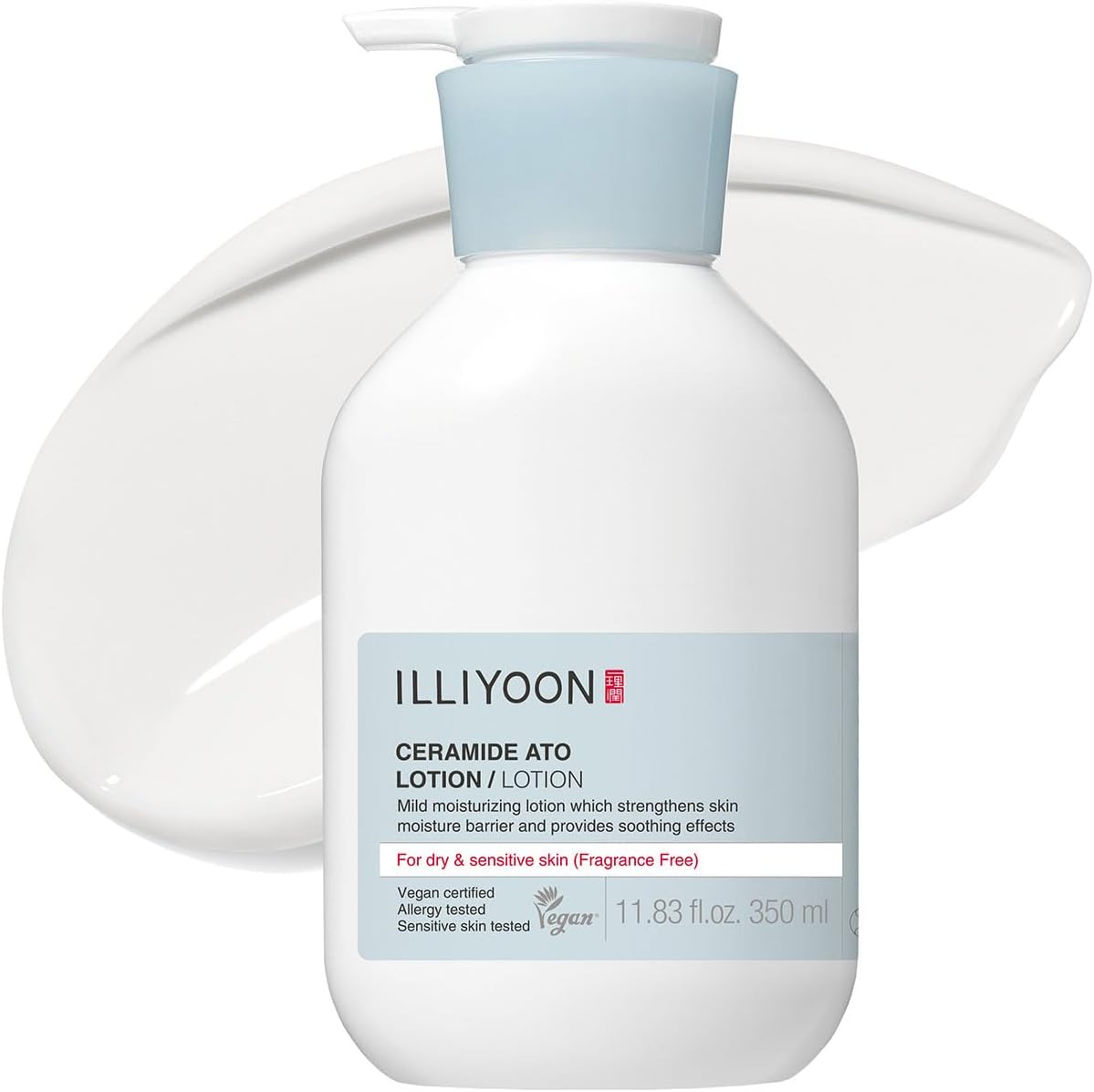
ILLIYOON · Moisturisers
Ceramide Ato LotionMay suit: Normal to dry skin on the body, and people who want a light fragrance-free lotion for daily use.
Less suited to: Very dry patches that need a richer cream or ointment, and oily or acne-prone facial skin that may find it too rich.
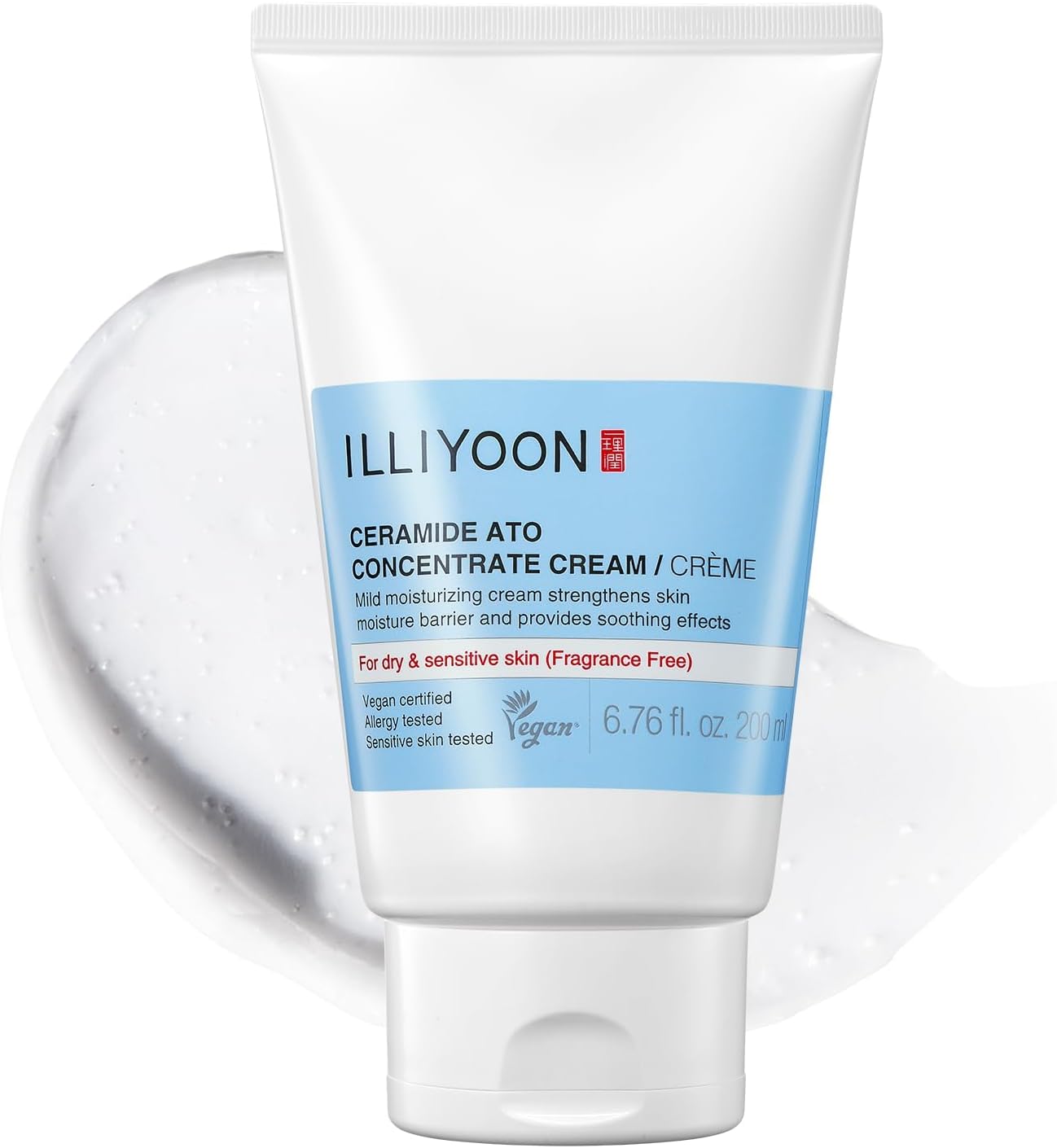
ILLIYOON · Moisturisers
Ceramide Ato Concentrate CreamMay suit: Very dry patches such as shins, elbows and hands, and dry or sensitive-feeling skin in winter.
Less suited to: Oily or congested skin that dislikes rich textures, and severe or persistent eczema that needs a prescribed plan.
On this page · 15 sections
Quick answer
Korean body lotions apply facial-skincare thinking to the body: barrier lipids such as ceramides, gentle humectants, often no added fragrance, and textures light enough to use daily. Illiyoon Ceramide Ato Lotion is one widely discussed Korean option, but no published head-to-head evidence demonstrates that it outperforms ordinary UK fragrance-free emollients.
For uncomplicated dry skin, consistent use of a tolerable moisturiser often matters more than a fashionable ingredient. Apply a fragrance-free moisturiser generously, within minutes of showering, every day.
In this guide
- Why Korean bodycare is having a moment
- The science of dry body skin
- Illiyoon Ceramide Ato Lotion: an ingredient-led review
- Lotion, cream or ointment: the choice that matters most
- Choosing a Korean body lotion for your skin
- Fragrance-free matters more than any "hero" ingredient
- A simple Korean-style body routine for dry skin
- How to compare the real cost of bodycare
- Fire safety with body moisturisers
- When dry skin needs a professional
- Frequently asked questions
- UK buying checklist and bottom line
- References
Why Korean bodycare is having a moment
Sephora UK named high-performance bodycare as a headline 2026 trend, describing body products catching up with face care (Sephora UK, 2026). Korean brands are well placed for this because:
- Korean dermocosmetic lines such as Illiyoon and AESTURA were designed around atopic and sensitive skin from the start.
- Formulas vary: some are fragrance-free and designed around moisturising, while others contain fragrance and multiple potentially irritating extracts.
- Large pump packs can make regular whole-body application easier and cheaper per use.
The science of dry body skin
Body skin has fewer oil glands than the face, especially on the shins, forearms and hands. Hot showers, soap, central heating and ageing all strip barrier lipids. The result is xerosis: rough, flaky, itchy, tight skin.
The skin barrier is often compared to brick and mortar. Skin cells are the bricks. The mortar is a lipid mix of roughly equal parts ceramides, cholesterol and free fatty acids. A good body moisturiser does three jobs:
| Job | Ingredient types | Examples on Korean labels |
|---|---|---|
| Attract water | Humectants | Glycerin, propanediol, panthenol, urea |
| Replace lipids | Barrier lipids | Ceramide NP, pseudo-ceramides, cholesterol, stearic and palmitic acid |
| Seal it in | Occlusives and emollients | Dimethicone, shea butter, plant oils, squalane |
Clinical studies support ceramide-containing body lotions for dry skin. In a 2026 randomised split-leg study, a ceramide and plant-oil body lotion improved hydration and smoothness after four weeks. It also reduced water loss and scaling compared with the untreated leg (Wang et al., 2026). An earlier set of vehicle-controlled trials in 169 mainly older adults with very dry skin found a ceramide-containing formula improved hydration within one week (Weber et al., 2012). Both studies were partly industry-funded and tested specific formulas, not Illiyoon.
For the full lipid story, see our ceramides and barrier repair guide.
Illiyoon Ceramide Ato Lotion: an ingredient-led review
What it is: a lotion marketed by Illiyoon, an Amorepacific brand, for moisturising dry or sensitive-feeling skin. Pack sizes, age claims and ingredients can differ across markets, so verify the exact UK formulation.
Key ingredients (from Amorepacific's store listing): purified water, glycerin, propanediol, dimethicone, hydrogenated rice bran oil and emollient esters, then small amounts of barrier lipids: a pseudo-ceramide (cetyl hydroxyproline palmitamide, listed at 65.5 ppm), ceramide NP (listed at 4.04 ppm), cholesterol, palmitic and stearic acid, with tocopherol (vitamin E). A retailer description quotes a different figure, 32.7 ppm (YesStyle), so check the current UK pack rather than relying on any one number. See our product page for the full list.
Free-from claims: do not rely on a general marketing checklist. Verify fragrance, preservatives and potential allergens from the current UK INCI and packaging.
What the listed formula suggests (not a hands-on test):
- A fragrance-free version may suit people avoiding fragrance allergens, but confirm the exact UK INCI rather than relying on descriptions of earlier formulas
- Glycerin high on the list for real hydration
- The marketed lotion format may be convenient for daily whole-body use; texture preference is individual and was not hands-on tested here
- A pump format may be practical for daily use; value depends on verified UK price and volume
Limitations:
- The listed ceramide amounts are small: 65.5 ppm is about 0.0066%. That is not the total barrier-lipid content, because cholesterol and fatty acids are also listed. The lotion relies mostly on glycerin and emollients, with ceramides playing a supporting role.
- People with very dry areas may prefer a richer cream or ointment, although the best choice is whichever formulation they tolerate and use regularly.
- It is not a replacement for prescribed eczema treatment. Do not discontinue prescribed emollients or anti-inflammatory therapy because of a cosmetic purchase.
Lotion vs Concentrate Cream
| Ceramide Ato Lotion | Ceramide Ato Concentrate Cream | |
|---|---|---|
| Texture | Light, fast-absorbing | Rich, cushiony; contains visible ceramide capsules |
| Best for | Daily whole-body use, normal-to-dry skin, warm months | Very dry patches, winter, eczema-prone skin |
| Listed ceramide CPP-40 (lotion, cream) | 65.5 ppm | 7,622 ppm (about 0.76%) |
| Pack | Pump bottle | Tube or tub |
| Use together? | Yes: lotion all over, cream on dry areas | Yes |
Lotion, cream or ointment: the choice that matters most
A premium Korean body lotion is not automatically the right answer for every level of dryness. NHS guidance distinguishes lighter lotions from richer creams and ointments, which often suit more persistent dryness. A fragrance-free cosmetic may be a pleasant everyday option, but a person with diagnosed eczema may need a prescribed or pharmacy emollient plan rather than a beauty product alone. NHS emollients.
| Format | Typical feel | Practical strengths | Limitations |
|---|---|---|---|
| Lotion | Light; often in a pump | Quick large-area application, useful in warmer weather | May need frequent reapplication in very dry areas |
| Cream | Richer, more cushioning | Suitable for dry legs, elbows and hands | Some formulas feel sticky or contain irritating extras |
| Ointment | Greasy, highly occlusive | Often useful for severe dryness, especially at night | Transfer to clothing, slipperiness and greater fabric-residue precautions |
| Gel | Cooling and light | May suit people who dislike richness | Some alcohol-heavy gels sting and do not provide enough occlusion |
A fair Illiyoon comparison is therefore not “Korean versus Western”. Compare ingredient lists, fragrance, format, pack size, price per 100 ml, and how comfortable the product feels when applied often. Illiyoon may be a good candidate; the trial literature cited here did not test Illiyoon specifically.
Choosing a Korean body lotion for your skin
| Your skin | Look for | Avoid | Good starting point |
|---|---|---|---|
| Normal to slightly dry | Glycerin, light emollients, ceramides | Heavy fragrance | Illiyoon Ceramide Ato Lotion |
| Very dry, rough shins | Ceramides plus cholesterol and fatty acids; urea 5–10% | Alcohol-heavy gels | Illiyoon Concentrate Cream on dry zones |
| Eczema-prone or itchy | Fragrance-free, short ingredient list | Fragrance, essential oils, "natural" scents | A fragrance-free ceramide lotion, alongside your prescribed emollient |
| Bumpy skin (keratosis pilaris) | Urea, lactic acid or salicylic acid body products | Scrubs | Exfoliating body lotion 2–3 times a week, ceramide lotion on other days |
| Dull or uneven tone | Niacinamide, gentle acids | Unregulated "whitening" products | Brightening body serum plus SPF on exposed skin |
| Babies and children | Fragrance-free, simple formulas | Anything scented | Ask your health visitor, pharmacist or GP first |
About PDRN body lotions: they are a growing Korean category, but there is no good evidence that PDRN does more for dry body skin than ceramides and glycerin. See our PDRN body lotion guide for the details.
Fragrance-free matters more than any "hero" ingredient
Fragrance is one of the most common causes of cosmetic contact allergy. Body products cover a large skin area every day, which raises your exposure. If you have itchy, sensitive or eczema-prone skin, choose fragrance-free over "unscented" or "natural", because those labels can still contain masking fragrances or essential oils. Fragrance claims vary by product and version; verify the current ingredient list.
A simple Korean-style body routine for dry skin
- Shower warm, not hot, and keep it under 10 minutes.
- Swap soap for a gentle wash. Use a soap-free, fragrance-free body wash or your prescribed soap substitute.
- Pat dry and apply within three minutes. Damp skin holds onto moisture better.
- Apply enough to cover the area comfortably. Spread moisturiser gently rather than vigorous rubbing; application frequency and quantity should fit your skin, with guidance from your clinician when managing eczema.
- Layer for very dry areas. Put the lotion everywhere, then the richer cream or an ointment on shins, elbows, hands and heels. Our slugging and occlusives guide explains how.
- Moisturise hands after every wash in winter.
- Use SPF on exposed skin, especially if you use exfoliating body products.
For face routines, see Korean skincare for dry skin.
How to compare the real cost of bodycare
A 350 ml bottle priced at £14 is £4 per 100 ml, while a 500 ml bottle priced at £20 is also £4 per 100 ml. This example is arithmetic only, not a claim about current Illiyoon pricing. Consider delivery charges, returns, authenticity and whether a product is used on hands only or the whole body. For chronic dry skin, the lowest cost per use among tolerable products often matters more than a headline “ceramide” claim.
If you are using prescribed eczema creams, do not mix steroid treatment into a cosmetic lotion or alter treatment intervals without advice. The NHS advises waiting 20 to 30 minutes between an emollient and another skin treatment such as a steroid cream, and asking your doctor which to apply first.
Fire safety with body moisturisers
The UK medicines regulator, the MHRA, warns that moisturiser residue on clothing, bedding and dressings can make fabric catch fire faster and burn more fiercely. That applies to all emollients, including paraffin-free lotions, especially when large amounts are used over big areas (MHRA Drug Safety Update). Moisturisers aren't flammable on the skin. The risk comes from dried residue on fabric meeting a naked flame. Don't smoke or go near naked flames while wearing fabric that has been in contact with these products, and change and wash clothing and bedding often. See the GOV.UK safe-use guidance.
When dry skin needs a professional
See your pharmacist or GP if you have:
- Itch that keeps you awake, or skin that cracks, bleeds or weeps
- Red, scaly patches that don't improve after two weeks of regular moisturising
- Dry skin that appears suddenly with weight change, tiredness or feeling cold, which can be a sign of thyroid or other conditions
- Signs of infection: heat, pain, yellow crusts or spreading redness
Frequently asked questions
Is Illiyoon Ceramide Ato Lotion good for eczema?
It may suit eczema-prone skin if the UK version you buy is fragrance-free, and Illiyoon designed the Ceramide Ato line with atopic skin in mind. It's a cosmetic, not a treatment, so keep using what your GP or pharmacist prescribed.
Can I use Illiyoon lotion on my face?
The brand markets it for face and body; check the UK pack. Oily or acne-prone skin may find it too rich.
Is Illiyoon suitable for babies?
Do not infer infant suitability from a retailer category alone. Follow the current pack age guidance; consult a health visitor, GP or pharmacist about persistent infant eczema or reactions.
Lotion or cream: which should I buy?
Buy the lotion for everyday all-over use and the cream for very dry areas or winter. Many people use both.
Is Illiyoon vegan?
Check the latest product-specific manufacturer statement and full INCI; range-level generalisations can be unreliable.
Are Korean body lotions better than CeraVe or other UK options?
Not inherently. The best body lotion is fragrance-free, suits your skin and is affordable enough to use generously every day. Illiyoon is worth considering if the UK version is fragrance-free and its price per 100 ml suits you.
How long until I notice a difference?
Many people feel more comfortable within days. In studies, hydration and scaling improved measurably after one to four weeks of daily use.
UK buying checklist and bottom line
Check the complete UK ingredient list and label, including the Responsible Person and any age-related instructions; buy from an established source rather than assuming a Korean-language listing is identical to the UK batch. If a fragrance-free product stings, that does not automatically mean it is “purging”; discontinue and discuss alternatives with a pharmacist.
Bottom line: choose by barrier support, tolerability, routine fit and cost per use, not nationality or ingredient buzzwords. The most “ultimate” bodycare routine is often unglamorous: a gentle wash, regular moisturiser and protection from irritants. The UK fire-safety warning remains relevant even to paraffin-free emollient residues on clothing or bedding.
References
Clinical references below were retrieved via PubMed.
- Wang J, Cheng L, Zhang J, et al. Comprehensive evaluation of body lotion in alleviating xerosis: a multi-omics approach. J Cosmet Dermatol. 2026;25(2):e70711. doi:10.1111/jocd.70711
- Weber TM, Kausch M, Rippke F, et al. Treatment of xerosis with a topical formulation containing glyceryl glucoside, natural moisturizing factors, and ceramide. J Clin Aesthet Dermatol. 2012;5(8):29–39. PMC3424590
- MHRA. Emollients: new information about risk of severe and fatal burns with paraffin-containing and paraffin-free emollients. Drug Safety Update, December 2018.
- MHRA and National Fire Chiefs Council. Safe use of emollient skin creams to treat dry skin conditions. GOV.UK.
- Amorepacific store. ILLIYOON Ceramide Ato Lotion and Concentrate Cream ingredient lists, checked 30 October 2026.
- Sephora UK. Skincare and Bodycare Trend Predictions 2026.
- NHS. Emollients.
- Office for Product Safety and Standards. Making cosmetic products available to consumers in Great Britain. GOV.UK.
How we researched this guide
This guide is based on peer-reviewed studies (retrieved via PubMed), UK regulatory and NHS guidance, and manufacturer or retailer information, which we identify as such wherever it is cited. Products named here have not been tested hands-on by us. The guide was medically reviewed by Khalid Anwar, GPhC-registered pharmacist, on 30 October 2026. It is general information, not individual medical advice. Spotted an error? Tell us via our corrections page.
Get new PDRN research by email
One email a week with new guides and evidence updates. No spam; unsubscribe anytime.
Something not right? Request a correction. Read our editorial policy and review methodology.