Moisturiser is the least glamorous and most load-bearing step in a routine. Its purpose is to reduce water loss from the skin surface and supply the lipids the barrier uses to hold itself together — which is why it is the step to keep when you strip a reactive routine back to basics. Texture is the main decision: gels and lotions for oily or humid conditions, richer creams for dry, mature or cold-weather skin. Ingredient family matters more than weight alone; ceramides, cholesterol, fatty acids, glycerin and panthenol do measurable work, while a heavy occlusive with nothing underneath it simply traps whatever state the skin is already in.
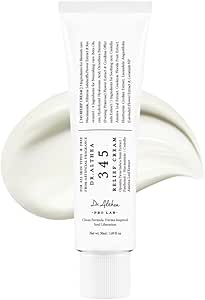
A lightweight gel cream combining niacinamide, panthenol, centella-derived ingredients, ceramide NP and sodium DNA. It offers comfortable daily moisture but is not a medical treatment for acne, eczema or post-acne scarring.
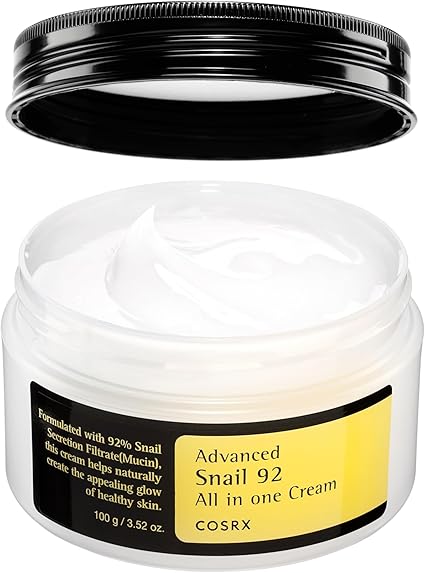
A bouncy snail-mucin gel cream that offers a dewy layer of hydration without the weight of a traditional rich cream. It may be sufficient for combination skin but dry skin may still need a more occlusive final layer.
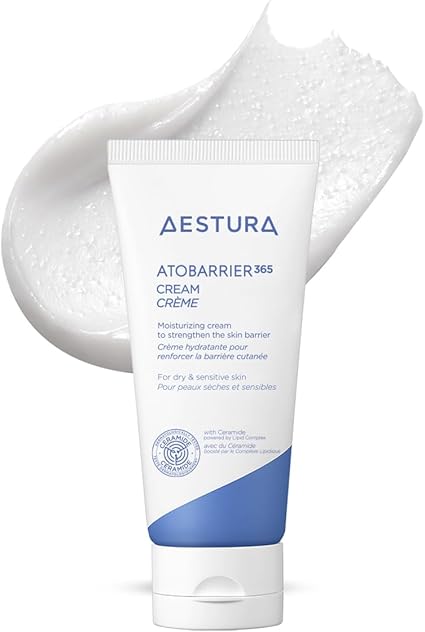
A dense ceramide-rich moisturiser designed for dry and sensitive-feeling skin. It provides a substantial barrier-supporting layer, but its richer emollient profile may feel excessive on very oily skin.
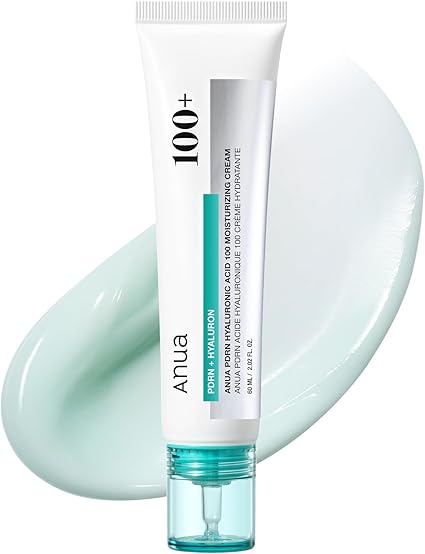
A lightweight salmon-derived PDRN moisturiser with squalane, collagen, niacinamide and multiple forms of hyaluronic acid. It is designed to sit smoothly under makeup while leaving a natural glow.
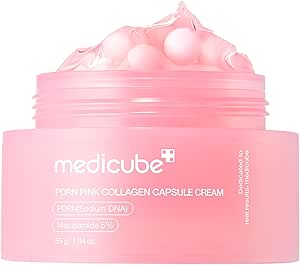
A customisable dual-texture moisturiser combining a clear gel with PDRN capsules. It creates a pronounced dewy finish and can be mixed lighter or richer according to skin comfort.
We currently track 5 published products here. Every entry is compiled from manufacturer ingredient disclosures, published cosmetic science literature and UK retailer listings. We do not run clinical trials, and we do not publish a product until its formulation details have been checked against a source we can cite.
Formulation: INCI lists, key actives, fragrance and alcohol status where the brand discloses them.
Evidence: what the published research suggests for the key ingredients, and what it does not establish.
UK availability: retailer listings and prices, with the date each was last checked. Where a price is not recent enough to quote, we say “check latest price” instead of guessing.

 Editorial research review