The skin around the eye is thinner and more mobile than the rest of the face, which is why it shows dehydration and creasing first and why it tolerates strong actives less well. An eye cream is essentially a gentler, often richer moisturiser formulated for that area. Expectations should be calibrated: hydration and the appearance of smoothness are realistic, while structural change is not something a cosmetic product is positioned to deliver.
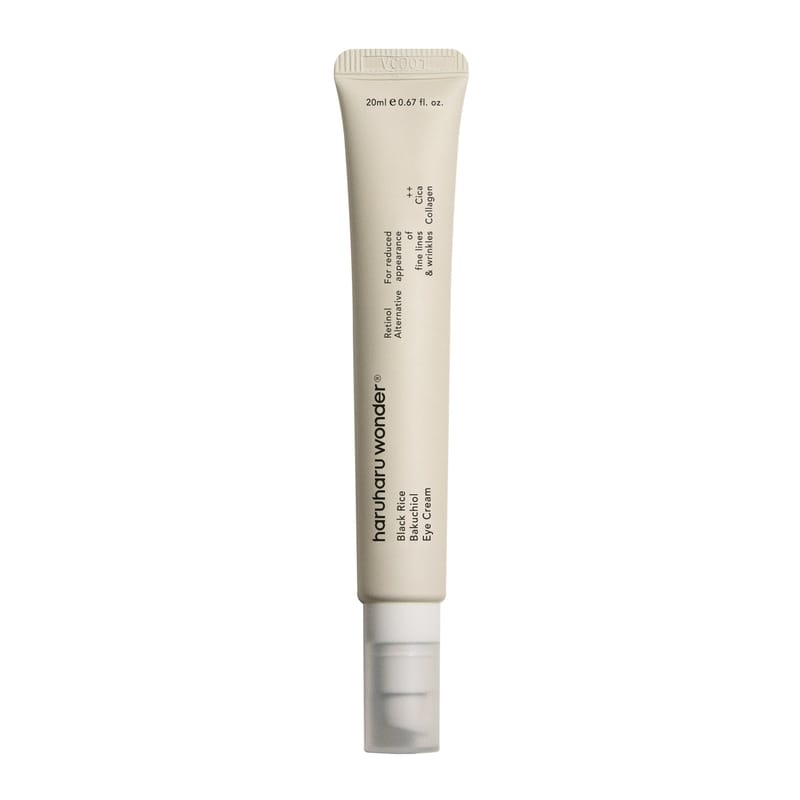
A 20 mL eye cream whose maker lists bakuchiol, niacinamide, glycerin and sunflower seed oil. The declaration identifies the formula without establishing how well it performs on fine lines.
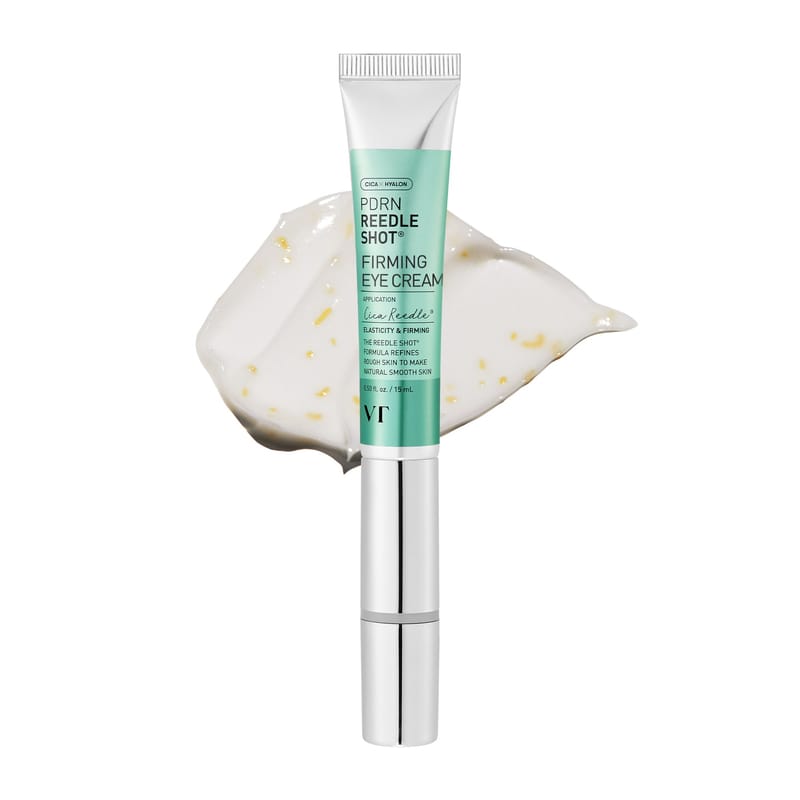
An eye cream listed by VT as PDRN Reedle Shot Firming Eye Cream. The global listing confirms the product name. Its full formula, PDRN source and pack size are unconfirmed.
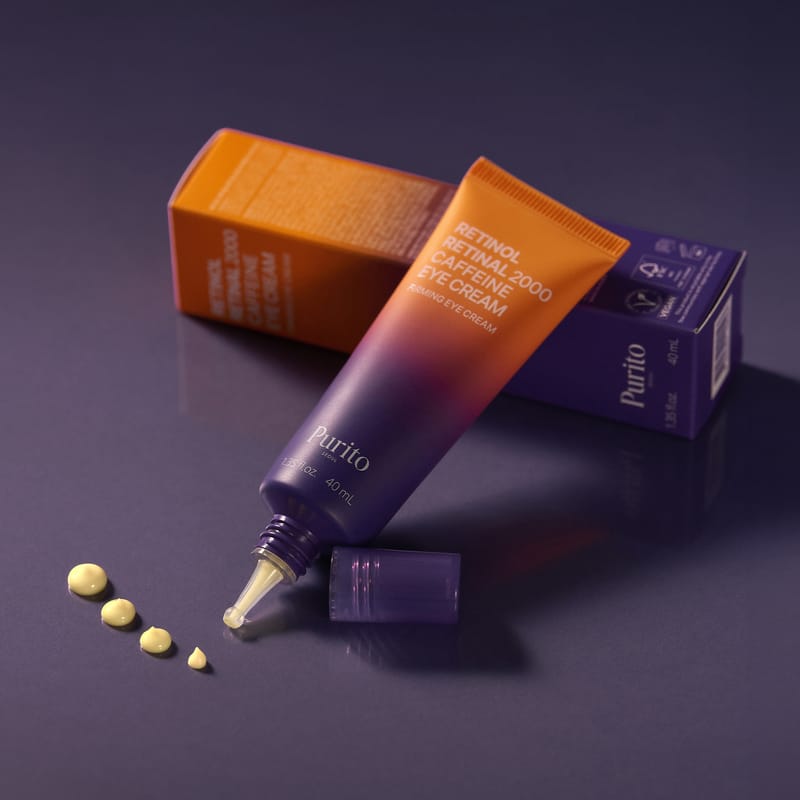
A 40 mL eye cream with caffeine and two retinoids. Purito lists 1% caffeine and 1,000 ppm each of retinol and retinal. This profile covers the maker’s published formula.
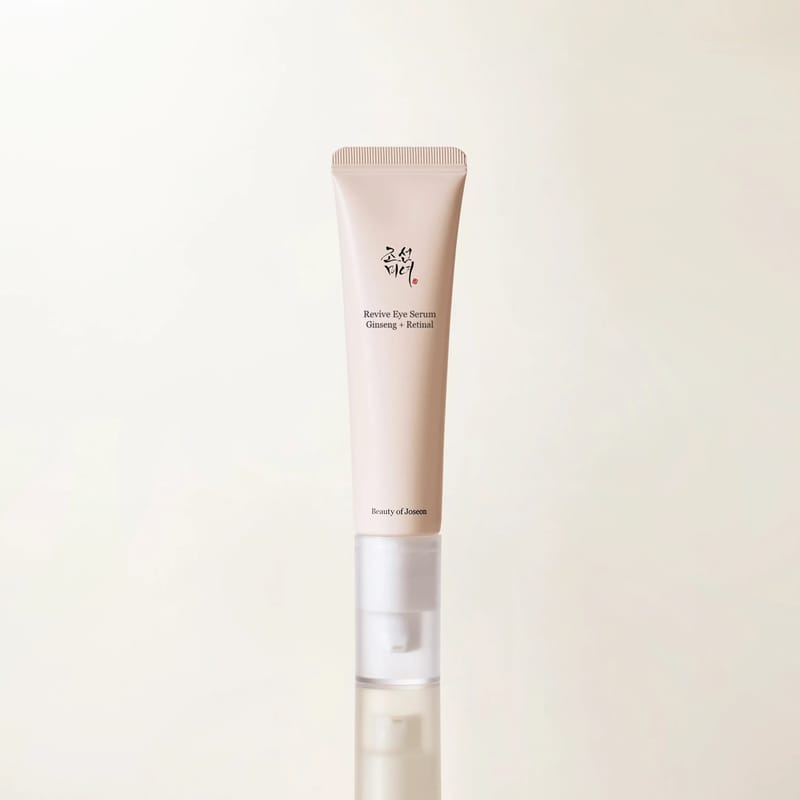
A 30 mL eye product that lists retinal, ginseng root extract and glycerin. Check the full label if you are looking for an eye cream without a retinoid.
Texture, size and “best for” come from our product research. Notable ingredients are matched by exact name in each verified ingredient list: presence only, which says nothing about concentration or effect. “No Parfum listed” means the list declares no added fragrance; plant extracts and waters can still carry a scent.
Eye creams compared by texture, size, notable listed ingredients, fragrance and best use
Eye cream with a serum texture, as described by Beauty of Joseon.
30ml
Ceramides, Niacinamide, Hyaluronic acid
No Parfum listed
Not recorded
How we research eye creams
We currently track 4 published products here. Every entry is compiled from manufacturer ingredient disclosures, published cosmetic science literature and UK retailer listings. We do not run clinical trials, and we do not publish a product until its formulation details have been checked against a source we can cite.
Formulation: INCI lists, key actives, fragrance and alcohol status where the brand discloses them.
Evidence: what the published research suggests for the key ingredients, and what it does not establish.
UK availability: retailer listings and prices, with the date each was last checked. Where a price is not recent enough to quote, we say “check latest price” instead of guessing.